African mango for blood sugar: the fiber seed inside Glyvoryn

Updated September 2026 · reviewed by the Glyvoryn Research Team. We are an independent information resource, not a medical provider, and this article is educational rather than medical advice.
African mango is the fibre-rich seed of Irvingia gabonensis, a West African forest tree, and in Glyvoryn it is one botanical in a metabolism-focused blend chosen for the soluble fibre it brings to a daily blood-sugar-support routine. It is a traditional food with an emerging — not settled — research profile, so it belongs in the conversation as a supporting nutrient rather than a treatment for any condition. A randomised trial examined an Irvingia gabonensis extract against metabolic syndrome, insulin sensitivity and insulin secretion (Méndez-Del Villar et al., Journal of Medicinal Food, 2018).
What African mango actually does inside Glyvoryn.
- What it is
- The seed kernel (dika nut) of Irvingia gabonensis, a staple West African food rich in soluble fibre.
- Why it is in the blend
- Soluble fibre slows how quickly carbohydrates digest, so glucose arrives as a gentler wave rather than a spike.
- How much
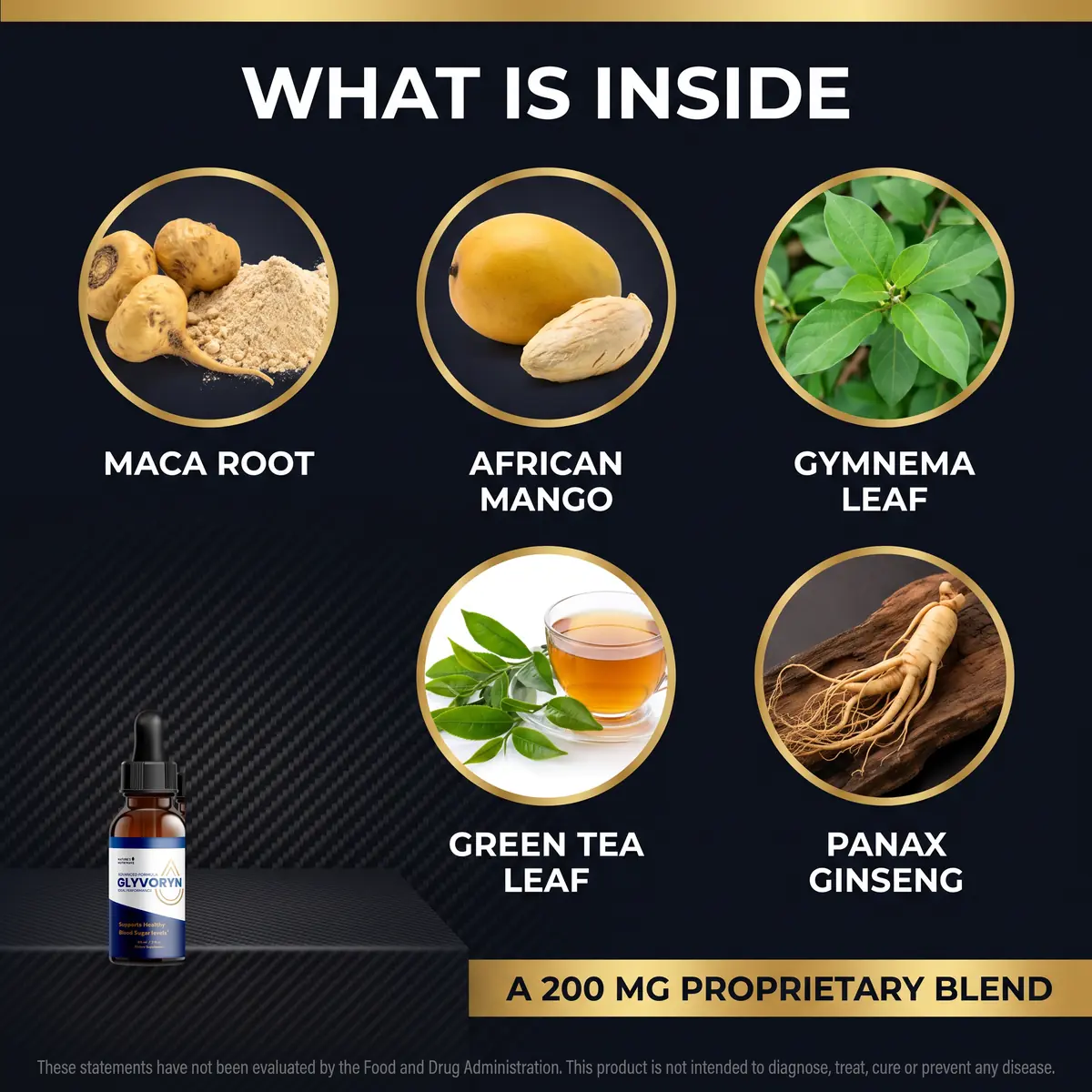
- Part of Glyvoryn’s 200 mg botanical blend beside gymnema, maca, green tea and panax ginseng, paired with chromium.
- Evidence honestly
- Early and mixed — a few small human trials look promising, but the botanical is not a proven blood-sugar treatment.
If you have scanned a metabolism supplement label lately, you have probably seen African mango — sometimes as “IGOB131” or simply Irvingia gabonensis. It sounds exotic, but in the forests of Cameroon it is ordinary kitchen fare. This guide unpacks what the seed is and how it earns its place in Glyvoryn — without overstating the science.
What is African mango, and what is Irvingia gabonensis?
African mango is the fruit of Irvingia gabonensis, a tropical tree native to the rainforests of West and Central Africa, but the part that matters for supplements is not the fruit — it is the large seed inside. That seed kernel, known locally as the dika nut or ogbono, is dried, ground and used as a thickener and fibre-rich food across Nigeria and Cameroon. When you see “African mango” on a bottle, it almost always means an extract of this seed rather than the sweet flesh you might picture.
The seed is distinctive because it is unusually dense in soluble fibre and healthy fats. That fibre content is why it moved from the cooking pot into the supplement aisle: soluble fibre is one of the most consistently useful dietary tools for steadier glucose, and African mango is a concentrated source of it.
How does African mango relate to blood sugar?
African mango relates to blood sugar through fibre, not magic: its soluble fibre forms a gel in the digestive tract that slows the breakdown and absorption of carbohydrates, so glucose enters the bloodstream more gradually after a meal. This is the same mechanism behind oats, beans and psyllium — fibre does not block sugar, it flattens the curve at which sugar arrives.
There is a second, indirect route. Soluble fibre tends to increase fullness, which can nudge overall food intake and body weight — and a healthier weight is itself one of the strongest supports for how the body handles glucose over time. So African mango does two quiet jobs: slowing a single meal’s rise, and supporting the habits that keep a baseline steady. An earlier double-blind, placebo-controlled study of the standardised seed extract IGOB131 reported reductions in body weight and changes in metabolic parameters in overweight adults (Ngondi et al., Lipids in Health and Disease, 2009).
What does the research actually say?
The honest answer is that the evidence for African mango is early, thin and mixed. A small number of human trials on standardised Irvingia gabonensis seed extract have reported reductions in body weight, waist size and some metabolic markers, but the trials are few, short, mostly small, and several were funded by ingredient makers — so independent reviewers treat the results as promising signals rather than proof.
What is not in dispute is the underlying nutrition: soluble fibre reliably slows carbohydrate digestion, and African mango is a genuine source of it. That is the sturdy reason it appears in fibre-focused formulas. Anything beyond “a fibre botanical that supports a healthy routine” is currently more marketing than settled science, and Glyvoryn treats it accordingly.

Where does African mango come from? Its West African roots
African mango’s story begins as food, long before any supplement existed. For generations, communities across the Congo Basin have harvested the dika nut, dried it, and ground it into a paste that thickens soups and stews — ogbono soup being the best-known example.
This deep dietary history is part of why the seed is considered well tolerated: people have eaten it in meaningful quantities for a very long time. When Western supplements adopted it in the 2000s, they were standardising a traditional food, not inventing a new chemical.
| Attribute | African mango (Irvingia gabonensis) |
|---|---|
| Part used | Seed kernel (dika nut / ogbono) |
| Origin | West & Central Africa — Cameroon, Nigeria, Gabon |
| Traditional use | Staple food and soup thickener |
| Key component | Soluble dietary fibre plus seed fats |
| Blood-sugar mechanism | Fibre slows carbohydrate digestion |
| Evidence level | Early and mixed — promising but unproven |

See the exact dose in Glyvoryn
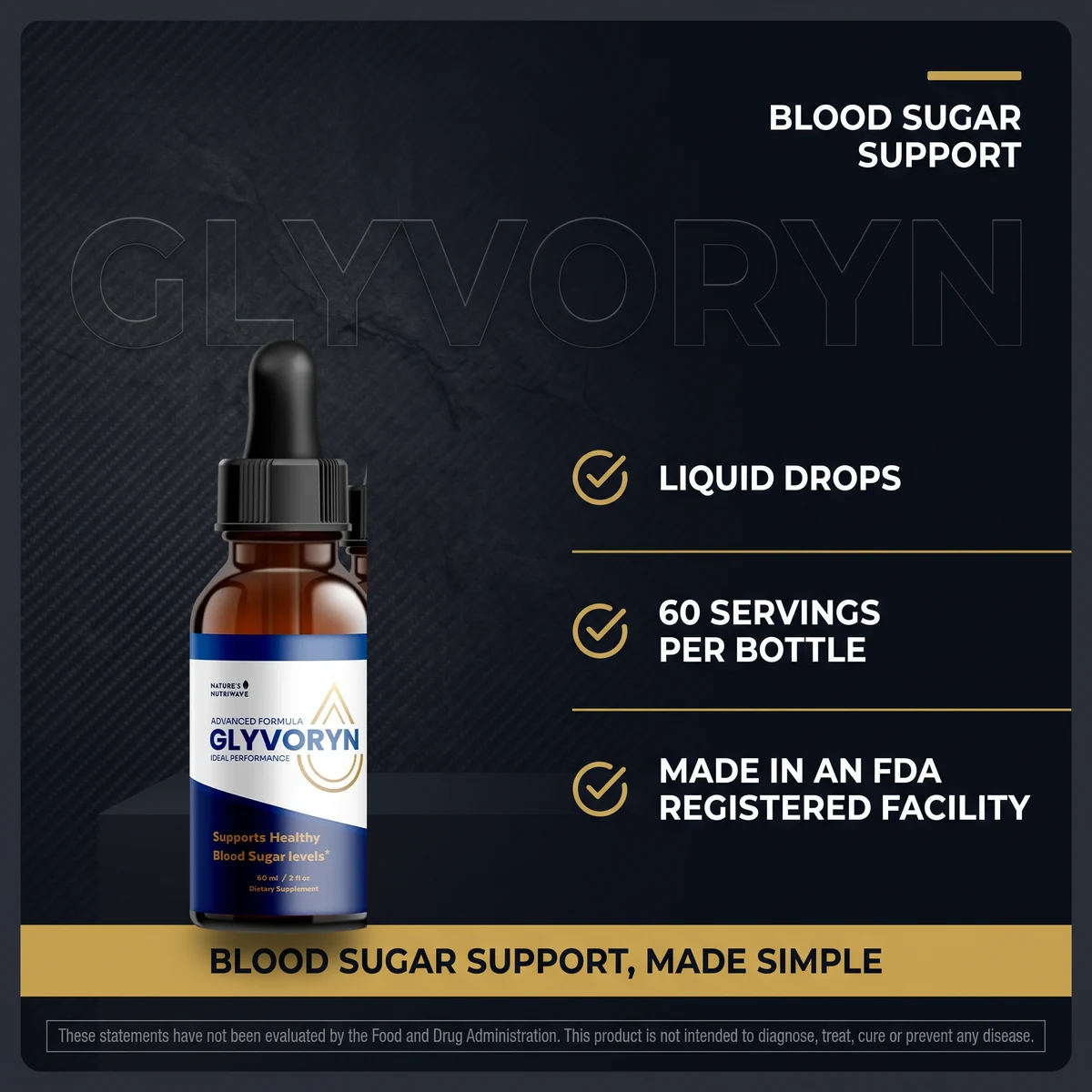
African mango is one of five botanicals in Glyvoryn’s 200 mg blend, paired with chromium as once-daily liquid drops. The six-bottle bundle is the best value at $49 per bottle, with free U.S. shipping and a 60-day guarantee. An umbrella review of meta-analyses of medicinal plants for glycaemic control puts findings like these in context, and the context is that effect sizes are modest and trial quality varies (Willcox et al., Frontiers in Pharmacology, 2021).
Check today’s Glyvoryn pricing — from $49/bottleHow does African mango fit in Glyvoryn’s formula?
In Glyvoryn, African mango is a team player rather than a headliner: one of five botanicals in a 200 mg blend, working alongside gymnema, maca root, green tea and panax ginseng, with chromium supplying the mineral backbone. The logic is complementary coverage — fibre from African mango, the “sugar-destroyer” tradition of gymnema, and chromium’s recognised role in normal macronutrient metabolism — so no single ingredient is asked to do everything.
Why liquid drops instead of a capsule?
Glyvoryn uses a liquid dropper rather than a pill, which makes a daily botanical routine easy to keep: one or two droppers full, shaken and swallowed. Consistency is what lets any fibre or botanical build its supporting effect, so a format you will actually use every day matters.
| Ingredient in Glyvoryn | Category | Supporting role in the blend |
|---|---|---|
| African mango | Fibre botanical | Soluble fibre to slow carbohydrate digestion |
| Gymnema | Ayurvedic herb | The classic “sugar destroyer” |
| Maca root | Adaptogenic root | Support for everyday energy |
| Green tea | Polyphenol source | A source of antioxidant polyphenols |
| Panax ginseng | Adaptogen | A tonic for resilience and energy |
| Chromium | Trace mineral | Aids normal macronutrient metabolism |
For the mineral-and-herb side of the formula, read our companion guide to chromium and gymnema for blood sugar, or see the full ingredients section on the Glyvoryn homepage.
Is African mango safe, and who should be cautious?
African mango is generally well tolerated, which is unsurprising for a seed eaten as food for generations. In supplement trials the most commonly reported effects have been mild — headache, gas, or occasional trouble sleeping. As with any fibre source, introducing it gradually and drinking enough water helps your digestion adjust.
Caution still applies. Because soluble fibre can affect how quickly other things are absorbed, and botanicals can interact with medication, African mango is not for everyone without a conversation first. Speak with your doctor before adding Glyvoryn if you are pregnant or nursing, under 18, take glucose-lowering or other prescription medicine, or have a diagnosed condition. This is a supporting nutrient for blood sugar already within a normal range, not a substitute for medical care.
How should you use a fibre botanical like this day to day?
A fibre botanical works best as the smallest part of a bigger routine, not a stand-in for it. Think of African mango as one supporting instrument: helpful in the mix, unremarkable on its own. The habits that move the needle most are still the ordinary ones — fibre-rich foods, a walk after your biggest meal, and consistent sleep.
- Anchor meals in real fibre — vegetables, beans and whole grains do the heavy lifting.
- Take Glyvoryn at the same time daily — one or two droppers full, shaken and swallowed.
- Walk after your largest meal — ten minutes flattens a single spike more reliably than any capsule.
- Give it weeks, not days — botanicals build support gradually.
For the food side of that routine, our guide to the best foods to balance blood sugar pairs naturally with what a fibre botanical adds.
The bottom line on African mango in Glyvoryn
African mango earns its place in Glyvoryn as a genuine soluble-fibre botanical with deep roots as a West African food — a well-tolerated supporting player whose fibre mechanism is real even where flashier weight-loss claims remain unproven. Read honestly, it is neither miracle nor filler, but one part of a blend that leans on habits first.
Frequently asked questions
What is African mango and what is Irvingia gabonensis?
African mango is the fruit of Irvingia gabonensis, a West and Central African forest tree. The prized part is the fibre-rich seed kernel, called dika nut or ogbono, which has been a staple food and thickener for generations and now appears in metabolism-focused supplements like Glyvoryn.
How does African mango relate to blood sugar?
African mango seed is rich in soluble fibre, and soluble fibre is the mechanism that slows the digestion of carbohydrates so glucose enters the bloodstream more gradually. It is a dietary fibre botanical that supports the metabolic routine rather than a treatment for any condition.
How much African mango is in Glyvoryn?
In Glyvoryn, African mango is one part of a 200 mg botanical blend alongside gymnema, maca, green tea and panax ginseng, paired with chromium. The blend is delivered as once-daily liquid drops; the exact per-ingredient amount is shown in the Supplement Facts panel on the label.
Is the evidence for African mango strong?
The evidence is early and mixed. A handful of small human trials on Irvingia gabonensis have reported changes in weight and metabolic markers, but studies are limited, short and vary in quality. African mango is best viewed as a traditional fibre food with promising but unproven metabolic support.
Is African mango safe to take?
African mango has a long history as a food and is generally well tolerated in supplement form, with occasional reports of mild headache, gas or trouble sleeping. Because fibre and botanicals can interact with medication, anyone pregnant, nursing, under 18 or on glucose-lowering medicine should ask a doctor first.
Can African mango replace a healthy diet?
No. African mango is a fibre botanical that complements whole foods, movement and sleep; it cannot replace them. The largest levers for steady blood sugar remain fibre-rich meals, activity and consistent sleep, with a formula like Glyvoryn playing a supporting role.
See the exact dose in Glyvoryn — risk-free →
Glyvoryn is a dietary supplement, not a treatment for any medical condition. These statements have not been evaluated by the Food and Drug Administration. This product is not intended to diagnose, treat, cure or prevent any disease. Always consult a qualified healthcare professional about your individual needs.
References & further reading
- National Center for Complementary and Integrative Health (NCCIH). Diabetes and Dietary Supplements. nccih.nih.gov/health/diabetes-and-dietary-supplements
- National Institutes of Health, Office of Dietary Supplements. Chromium — Fact Sheet for Health Professionals. ods.od.nih.gov/factsheets/Chromium-HealthProfessional
- Harvard T.H. Chan School of Public Health, The Nutrition Source. Fiber. nutritionsource.hsph.harvard.edu/carbohydrates/fiber
- Examine.com. Irvingia gabonensis (African mango) — evidence-based summary. examine.com/supplements/irvingia-gabonensis
- Méndez-Del Villar M, et al. Effect of Irvingia gabonensis on metabolic syndrome, insulin sensitivity, and insulin secretion. Journal of Medicinal Food, 2018. PMID 29336718
- Ngondi JL, et al. IGOB131, a novel seed extract of the West African plant Irvingia gabonensis, significantly reduces body weight and improves metabolic parameters in overweight humans in a randomized double-blind placebo controlled investigation. Lipids in Health and Disease, 2009. PMID 19254366
- Willcox ML, et al. Effectiveness of medicinal plants for glycaemic control in type 2 diabetes: an overview of meta-analyses of clinical trials. Frontiers in Pharmacology, 2021. PMID 34899340
These references describe the ingredients and habits in general terms and do not constitute evidence that any product treats, cures or prevents any condition.
Keep reading: chromium and gymnema · support blood sugar naturally · the Glyvoryn blog · the Glyvoryn review.