Does gymnema really work for blood sugar? An honest Glyvoryn fact check

Updated September 2026 · reviewed by the Glyvoryn Research Team. We are an independent information resource, not a medical provider, and this article is educational rather than medical advice.
Does gymnema really work for blood sugar? Gymnema sylvestre has one clearly documented effect — its leaves briefly blunt the taste of sweetness, which can genuinely help curb sugar cravings — while its wider “sugar destroyer” reputation rests on a long traditional record plus early, still-limited clinical research. In other words, it is a promising support to diet and activity, not a proven treatment, and that honest framing is exactly how Glyvoryn uses it inside a broader blend rather than as a miracle cure. The most directly relevant human study measured glycaemic control, insulin secretion and insulin sensitivity in patients with impaired glucose tolerance (Gaytán Martínez et al., Journal of Medicinal Food, 2021).
The gymnema “sugar destroyer” claim, fact-checked.
- What is clearly real
- Gymnemic acids temporarily bind sweet-taste receptors on the tongue, so sugary food briefly tastes bland — a real, useful nudge for cravings.
- What is still developing
- Human research on glucose markers is encouraging but mostly small, short or mixed in quality; large modern trials are scarce.
- What the name is not
- “Sugar destroyer” is a sensory nickname, not a medical claim — gymnema does not destroy sugar in the blood.
- How Glyvoryn uses it
- As one botanical in a 200 mg blend with chromium, positioned to support — never replace — diet, movement and medical care.
Type “does gymnema really work” into any search bar and you will find everything from breathless miracle claims to blanket dismissals. The truth sits in between, and it is more interesting than either extreme. This fact check separates what the tradition and the research actually support from what marketing has stretched too far — and shows where a formula like Glyvoryn fits without overpromising.
What is the “sugar destroyer” claim about gymnema?
The “sugar destroyer” claim is a translation of gymnema’s Hindi name, gurmar, and it describes a sensory effect on the tongue rather than any action on sugar in the bloodstream. Gymnema sylvestre is a woody climbing plant native to India and Africa whose leaves have been used in Ayurvedic tradition for more than two thousand years. Its most famous property is unusual: chew a gymnema leaf, then eat something sweet, and the sweetness is muted — the sugar is still there, but your tongue barely registers it. The reputation goes back a long way: a clinical study published in 1990 examined a gymnema leaf extract and blood glucose control (Shanmugasundaram et al., Journal of Ethnopharmacology, 1990).
That is the origin of the “sugar destroyer” label, and it is worth being precise about what it means. Gymnema does not chemically destroy sugar, dissolve carbohydrates, or remove glucose from your blood. The name is a memorable, centuries-old nickname for a taste phenomenon, and problems only start when marketers quietly upgrade a sensory nickname into an implied medical claim.
Does gymnema really work — what does the evidence actually show?
Whether gymnema “really works” depends entirely on which claim you are testing: the taste effect is well established, while the broader blood-sugar effects are supported by tradition and early research that is still developing. Splitting the question into parts is the only honest way to answer it.
The sweet-taste effect: the one thing that is clearly real
The sweet-taste effect is the best-documented thing gymnema does, and it is genuinely real. Compounds in the leaf called gymnemic acids can temporarily occupy the sweet-taste receptors on your tongue, so for roughly fifteen minutes to an hour afterward, sugary foods taste flat and less tempting. For anyone trying to rein in a sweet tooth, that is a practical, tangible benefit — a dessert that tastes boring is far easier to skip. This is the part of gymnema’s reputation that holds up cleanly. The same traditional-use caveat applies to astragalus root in this blend.
Blood-sugar and HbA1c research: promising but thin
Beyond taste, some small human studies have explored gymnema’s influence on fasting glucose and longer-term markers, and several are encouraging. The catch is quality and scale: many are small, short, older, or run without the rigorous controls modern researchers expect, so they cannot carry the weight of a firm conclusion. Reputable, independent reviewers describe gymnema as an area of legitimate interest that still needs larger, better-designed trials — which is a very different statement from “proven to lower blood sugar.”
Where the claim gets overstated
The claim gets overstated whenever a product treats gymnema as a stand-in for medication or a guaranteed fix. Honest wellness language talks about supporting blood sugar that is already within a normal range; dishonest language implies a herb can treat, cure or prevent diabetes. No supplement can make that claim, and gymnema is a support to good habits, not a replacement for them or for medical care. Keeping that line clear is the whole point of a fact check.
Claim vs evidence: a gymnema fact check at a glance
A useful fact check rates each specific claim on its own merits rather than passing a single verdict on the whole herb. The table below separates gymnema’s popular claims from what the evidence currently supports — all as general wellness information, not medical advice.
| Popular claim | What the evidence supports | Honest verdict |
|---|---|---|
| Blunts the taste of sweetness | Well-documented sensory effect from gymnemic acids | Clearly real |
| Helps curb sugar cravings | Follows logically from the taste effect; widely reported | Reasonable |
| Supports everyday glucose balance | Long tradition plus small, early clinical studies | Promising, developing |
| “Destroys” sugar in the blood | No — a nickname for a taste effect, not a mechanism | Overstated |
| Treats or cures diabetes | No supplement may claim this; not supported | False |
The pattern is consistent: gymnema earns real marks for its taste effect and craving support, a cautious “promising” for everyday glucose wellness, and a firm rejection of any disease claim. That is the profile of a helpful botanical, not a magic bullet. On the craving side, a randomised fourteen-day intervention reported reduced sugar cravings in adults (Turner et al., Nutrients, 2022).
Where does the gymnema tradition come from?
Gymnema’s standing comes from more than two millennia of Ayurvedic use, which is why it appears in so many modern blood-sugar formulas. Traditional use is not the same as clinical proof, but it is not nothing either: a plant that has been used deliberately for a specific purpose across many generations has earned the right to be studied seriously. The most intellectually honest position treats that heritage as a strong reason for interest and further research, while still holding modern claims to a modern evidence bar. Gymnema clears the first bar easily; the second is a work in progress.
See the exact dose in Glyvoryn
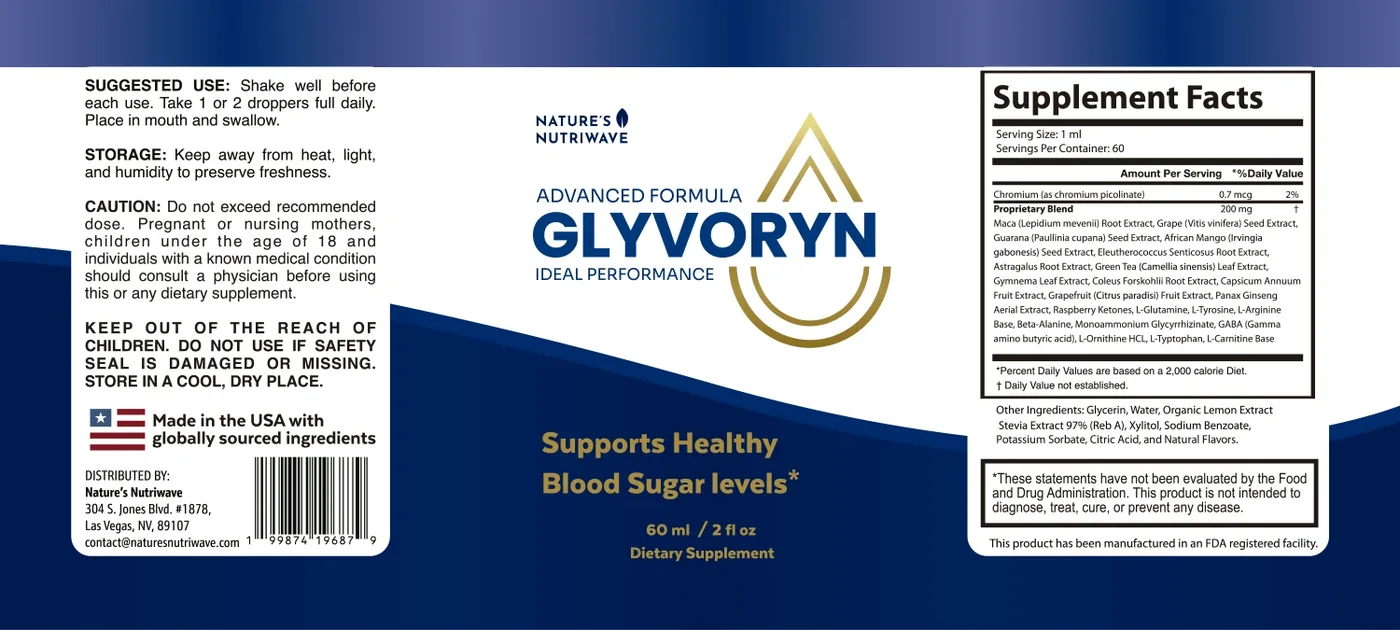
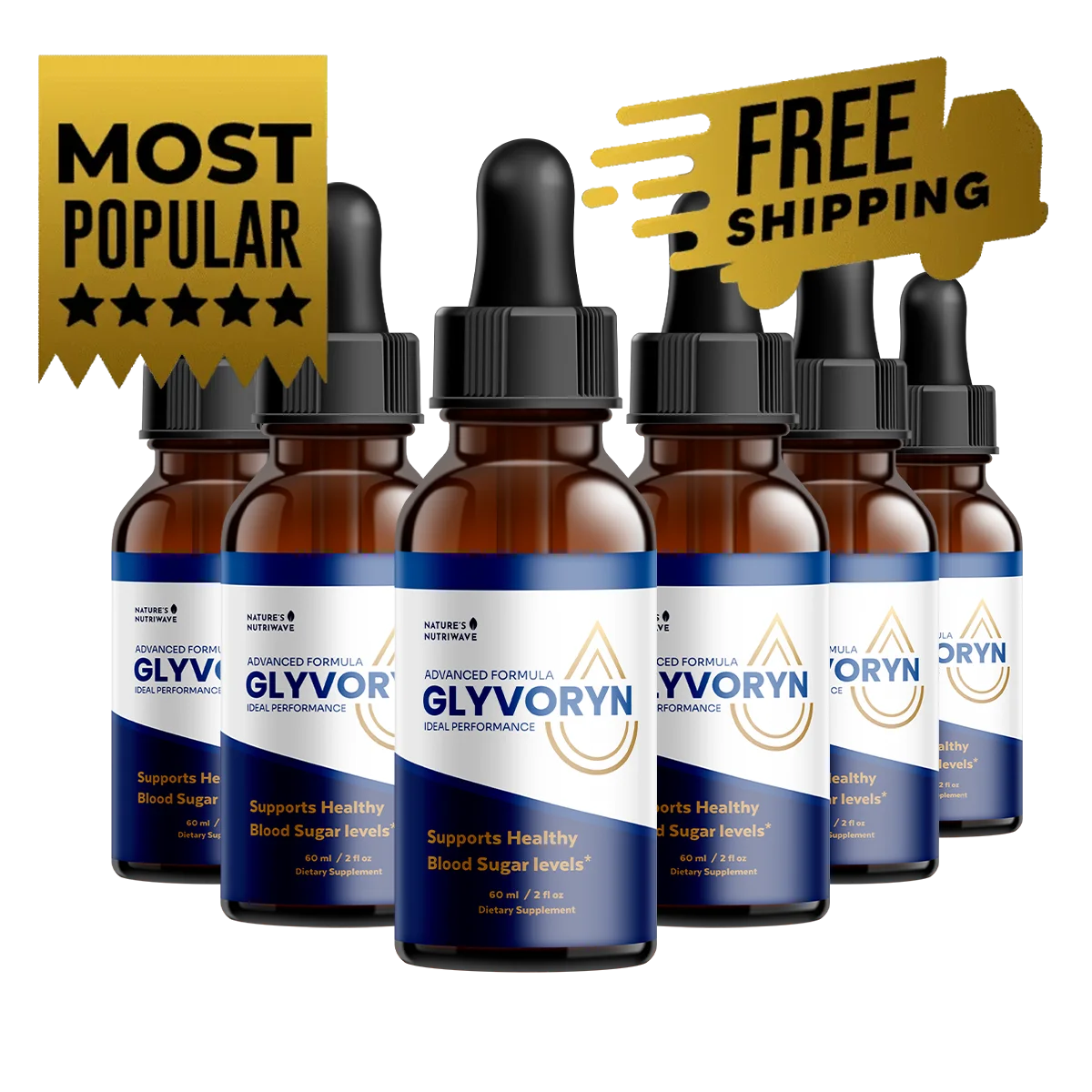
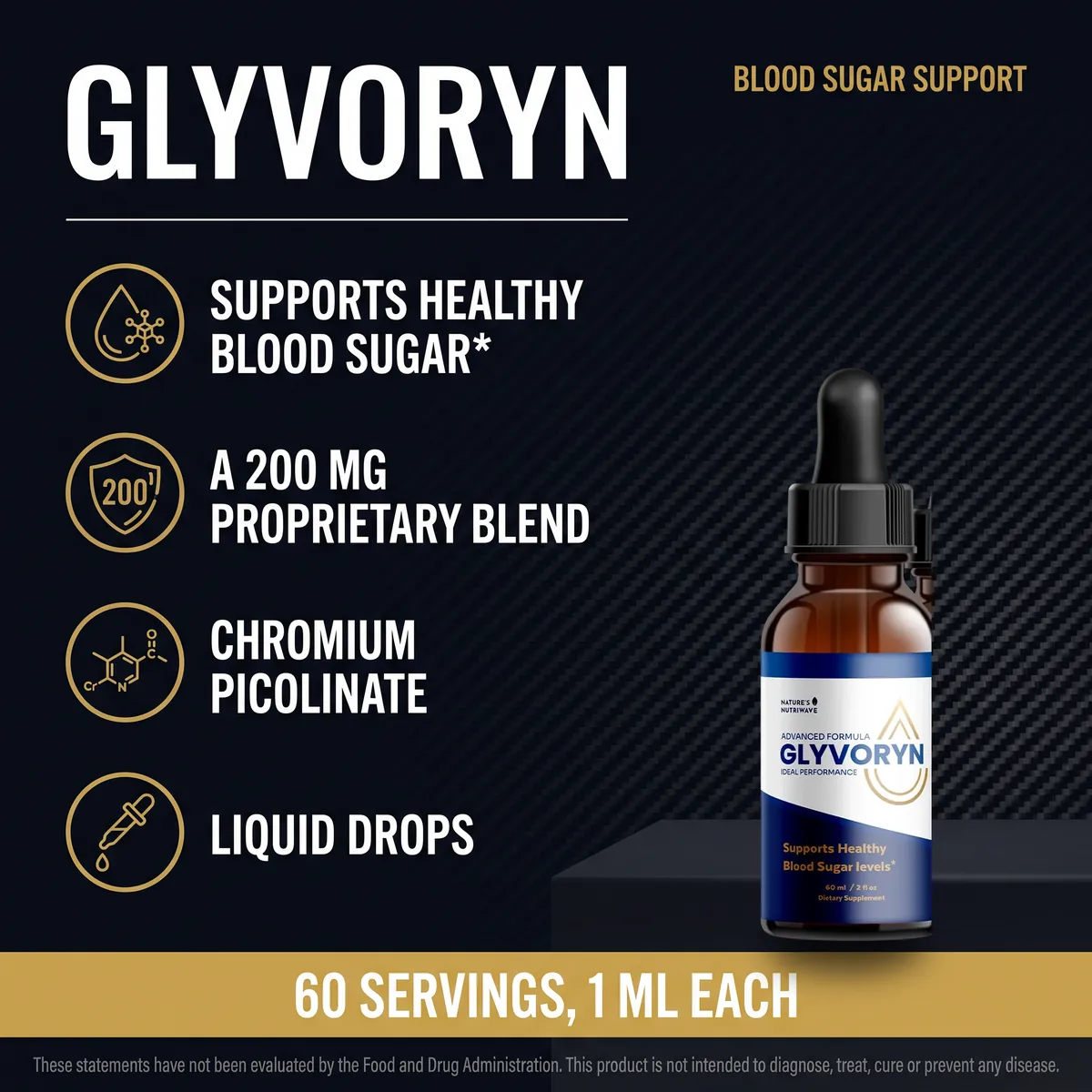
Glyvoryn is a once-daily dropper that pairs chromium picolinate with a 200 mg botanical blend built around gymnema — no miracle claims, just a labelled formula. The six-bottle bundle is the best value at $49 per bottle, with free U.S. shipping and a 60-day guarantee.
Check today’s Glyvoryn pricing — from $49/bottleHow does Glyvoryn position gymnema honestly?
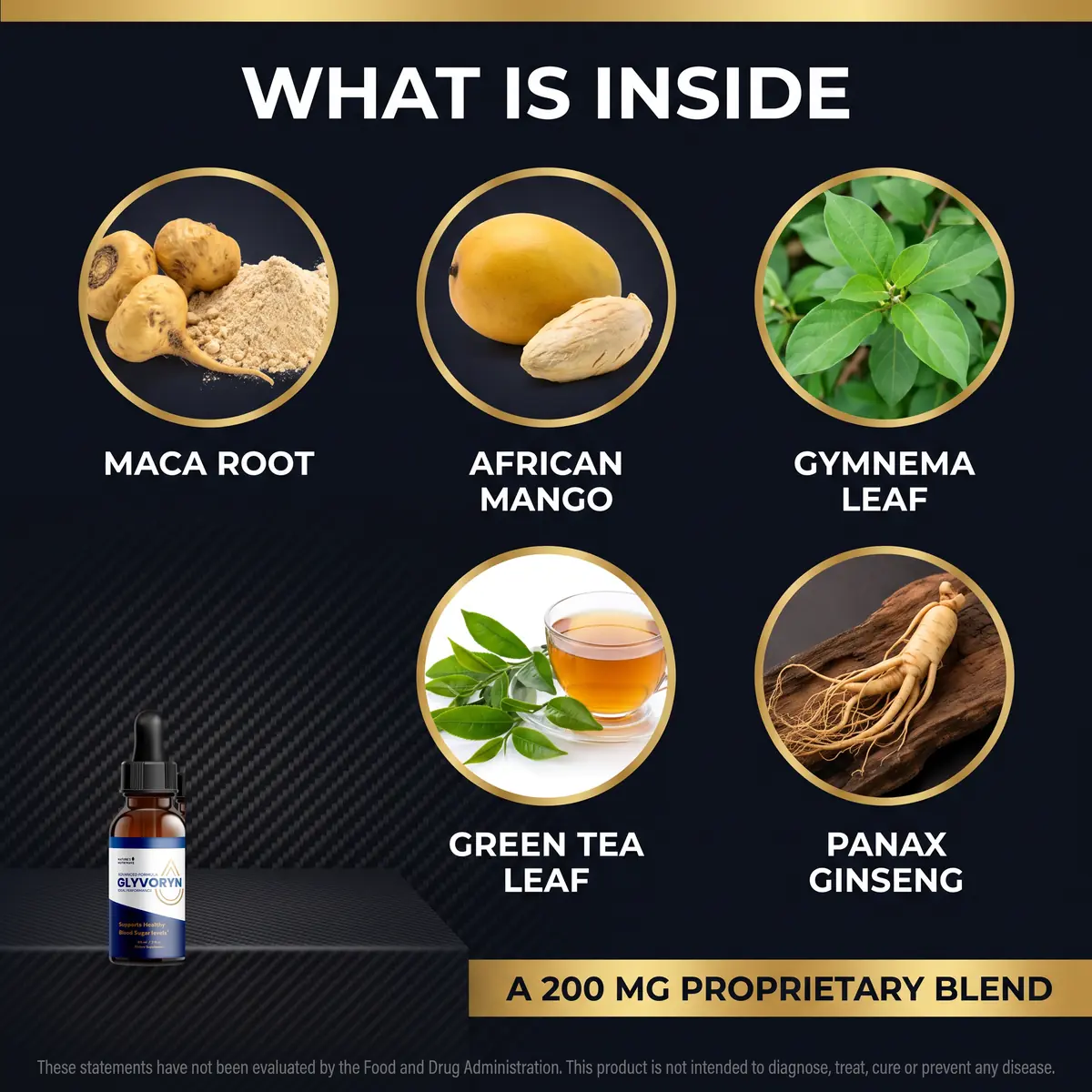
Glyvoryn positions gymnema honestly by treating it as one supporting botanical in a blend rather than a headline cure — and by never claiming it treats any disease. The formula folds gymnema into a 200 mg botanical blend alongside maca root, African mango, green tea and panax ginseng, then adds chromium (as chromium picolinate) because chromium contributes to normal macronutrient metabolism — the everyday processing of carbohydrates, fats and proteins. The whole thing is delivered as a once-daily liquid dropper meant to sit alongside sensible eating and movement, not to stand in for them.
That framing matters because the fastest way to spot an overhyped supplement is to see whether it leans on a single “miracle” ingredient and disease language. Glyvoryn does neither. If you want to see how gymnema teams up with the mineral beside it, read our guide on chromium and gymnema for blood sugar, compare it with the alternative in gymnema vs berberine, or explore the full ingredients breakdown.
How much gymnema, and in what form?
Form and dose matter as much as the ingredient itself, because a herb buried at a token amount in a crowded “proprietary blend” behaves very differently from a clearly stated one. The table below outlines the practical questions worth asking of any gymnema product before you judge whether it can work for you. What separates a good liquid formula from a weak one is set out in what to look for in blood sugar drops.
| What to check | Why it matters | How Glyvoryn handles it |
|---|---|---|
| Is the blend amount stated? | Hidden “proprietary” totals obscure how much you get | States a 200 mg botanical blend on the label |
| What is it paired with? | Supporting nutrients round out a daily routine | Chromium picolinate plus four botanicals |
| Liquid or capsule? | Affects how easy the daily habit is to keep | Once-daily liquid dropper, no pills to swallow |
| Disease claims on the label? | A red flag for any honest supplement | Wellness support language only, no cure claims |
| Guarantee and sourcing? | Signals confidence and accountability | Made in the USA, non-GMO, 60-day guarantee |
None of this guarantees a result — botanicals build their support gradually, and individual results vary — but a transparent label, sensible pairing and an easy daily format are what separate a credible product from a hyped one. Most people choose a multi-month supply so a routine has time to settle; you can compare the packages and pricing on the homepage or read the full Glyvoryn review.
Who should be cautious with gymnema?
Gymnema is a dietary-supplement ingredient for supporting blood sugar already within a normal range, not a replacement for medical care, so some people should be cautious or skip it. Because gymnema may influence blood sugar, speak with your doctor first if you are pregnant or nursing, under 18, take any medication — especially glucose-lowering medicine — have a diagnosed condition, or are scheduled for surgery. The concern with medication users is simple: layering a glucose-affecting herb on top of glucose-lowering drugs could push levels lower than intended. A brief conversation ensures anything you add fits safely with your care, and any persistent symptoms — excessive thirst, frequent urination, unexplained weight change or ongoing fatigue — deserve a doctor’s attention rather than a supplement.

Frequently asked questions
Does gymnema really work for blood sugar?
Gymnema has one clearly real, well-documented effect — it temporarily blunts the taste of sweetness, which can help curb sugar cravings. Its wider blood-sugar reputation rests on a long traditional record plus early, still-limited clinical research, so it is best described as a promising support to diet and activity rather than a proven treatment for any condition.
Is the 'sugar destroyer' claim about gymnema true?
The nickname gurmar, or 'sugar destroyer,' describes a sensory trick, not a cure. Gymnemic acids can bind to the sweet-taste receptors on the tongue so sugary foods briefly taste bland. That taste effect is genuine and useful for cravings, but it is not the same as destroying sugar in the bloodstream, and the name should not be read as a medical claim.
How strong is the scientific evidence for gymnema sylvestre?
The honest answer is: developing. The sweet-taste effect is well established, and some small human studies on glucose markers are encouraging, but many trials are small, short or of mixed quality, and large modern trials are scarce. Reputable sources treat gymnema as an area of legitimate interest that needs more rigorous study, not a settled conclusion.
How long does gymnema take to work?
The sweet-taste effect is nearly immediate and lasts a short while after you take it. Any broader everyday-wellness support builds gradually alongside diet and movement, so most people give a routine several weeks to a few months of consistent daily use. Individual results vary, and a supplement supports rather than replaces healthy habits.
Does Glyvoryn rely on gymnema alone?
No. Glyvoryn positions gymnema honestly as one part of a 200 mg botanical blend alongside maca root, African mango, green tea and panax ginseng, with chromium as chromium picolinate added because chromium contributes to normal macronutrient metabolism. The formula is a once-daily liquid dropper meant to support diet and activity, not to replace them.
Is gymnema safe to take every day?
Gymnema is generally well tolerated for most healthy adults when used as directed, but it is not right for everyone. Because it may influence blood sugar, avoid it — or check with a doctor first — if you are pregnant or nursing, under 18, or take glucose-lowering medication, to avoid pushing glucose lower than intended. The wider version of that question sits in do blood sugar supplements really work.
See the exact gymnema dose in Glyvoryn — try it risk-free for 60 days →
Glyvoryn is a dietary supplement, not a treatment for any medical condition. These statements have not been evaluated by the Food and Drug Administration. This product is not intended to diagnose, treat, cure or prevent any disease. Always consult a qualified healthcare professional about your individual needs.
References & further reading
- National Center for Complementary and Integrative Health (NCCIH). Diabetes and Dietary Supplements. nccih.nih.gov/health/diabetes-and-dietary-supplements
- Examine.com. Gymnema sylvestre — evidence-based summary. examine.com/supplements/gymnema-sylvestre
- National Institutes of Health, Office of Dietary Supplements. Chromium — Fact Sheet for Health Professionals. ods.od.nih.gov/factsheets/Chromium-HealthProfessional
- Mayo Clinic. Diabetes treatment: Can cinnamon and other supplements lower your blood sugar? mayoclinic.org/diseases-conditions/diabetes
- Gaytán Martínez LA, et al. Effect of Gymnema sylvestre administration on glycemic control, insulin secretion, and insulin sensitivity in patients with impaired glucose tolerance. Journal of Medicinal Food, 2021. PMID 32460589
- Turner S, et al. The effect of a 14-day Gymnema sylvestre intervention to reduce sugar cravings in adults. Nutrients, 2022. PMID 36558446
- Shanmugasundaram ER, et al. Use of Gymnema sylvestre leaf extract in the control of blood glucose in insulin-dependent diabetes mellitus. Journal of Ethnopharmacology, 1990. PMID 2259216
These references describe the ingredient in general terms and do not constitute evidence that any product treats, cures or prevents any condition.
Keep reading: how chromium and gymnema work together · gymnema vs berberine for blood sugar · how to support healthy blood sugar naturally · read the full Glyvoryn review.