Astragalus benefits in Glyvoryn: an adaptogenic TCM tonic for vitality

Updated September 2026 · reviewed by the Glyvoryn Research Team. We are an independent information resource, not a medical provider, and this article is educational rather than medical advice.
Astragalus benefits, in plain terms, are the everyday vitality and resilience effects traditionally credited to astragalus root — a warming tonic used in traditional Chinese medicine for more than two thousand years. In Glyvoryn it is not the star glucose ingredient; it is a foundational tonic that rounds out the blend, giving the better-studied blood-sugar botanicals a base of general, whole-body support. Tradition is deep here, and human evidence is still developing, so we treat astragalus as wellness support rather than a treatment for anything. An overview of meta-analyses of medicinal plants used for glycaemic control in type 2 diabetes is the best place to see where a herb like this actually sits (Willcox et al., Frontiers in Pharmacology, 2021).
What astragalus does in Glyvoryn, honestly stated.
- What it is
- Astragalus membranaceus root, known in Chinese medicine as huang qi — a classic qi tonic for stamina and everyday resilience.
- Its traditional role
- A general vitality and immune-supporting tonic, often grouped with the adaptogens for how it is used against fatigue and stress.
- Its role in Glyvoryn
- A foundational, rounding-out botanical — it supports overall vitality while chromium, gymnema and green tea do the blood-sugar-specific work.
- What the evidence says
- Rich tradition and promising lab and animal data on its polysaccharides, but limited human trials — so claims stay modest.
- Bottom line
- A well-tolerated heritage tonic that supports the whole formula; it is not a glucose treatment, and medication users should ask a doctor first.
Search “astragalus benefits” and you meet a herb with a two-millennia head start on the rest of the supplement aisle. It earns its place in modern formulas the way a good stock earns its place in a soup: quietly, in the background, making everything else work better. This guide explains what astragalus root is, what tradition and science each claim, and how it fits into Glyvoryn’s botanical blend. The regulatory background matters here too: supplements are not pre-approved in the United States, and substantiating a claim is the manufacturer's job (Brown, Food and Chemical Toxicology, 2017).
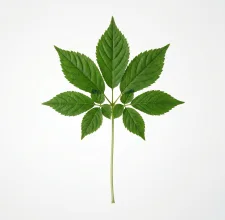
What is astragalus, and what are its benefits?
Astragalus is the dried root of Astragalus membranaceus, a legume-family plant native to northern China and Mongolia, used for centuries as a general vitality tonic. In traditional Chinese medicine it is called huang qi — literally “yellow leader” — and it is classified as a warming qi tonic, the kind of herb prescribed for tiredness, low stamina and a run-down constitution. Its most-discussed benefits are therefore about the whole person rather than one number: everyday energy, resilience against fatigue, and support for the body’s natural defences. Modern researchers have isolated the compounds behind that reputation, chiefly a family of polysaccharides plus saponins and flavonoids, and study them for antioxidant and immune-modulating activity. Botanical authentication is a genuine industry problem, and a 2024 review sets out how hard it is even to estimate the scale of herbal adulteration (Orhan et al., Natural Product Reports, 2024).
Be precise about the word “benefit,” though. For a food-style botanical, benefits describe traditional and general use, not a proven medical outcome. The honest summary: astragalus has a long track record as a tonic, encouraging early lab findings, and few large human trials — a common pattern for heritage herbs.
Why is astragalus a foundational TCM tonic?
A foundational tonic is a herb used not to target one symptom but to strengthen the whole system so it copes better with daily demands — and astragalus is a classic example. In the traditional framework it is a first-choice herb for building qi, the vital energy that governs stamina and resistance, which is why modern “vitality” blends reach for it so often.
What does “qi tonic” actually mean?
A qi tonic, in traditional Chinese medicine, is a herb intended to replenish the body’s baseline energy and functional reserve. Practitioners historically reached for astragalus when someone felt depleted, tired easily, or was recovering from a period of strain. The modern reading is gentler and non-medical: it is a botanical associated with everyday stamina and a feeling of resilience, taken as ongoing support rather than an acute remedy. The two stimulant-adjacent botanicals are dealt with in guarana and eleuthero in Glyvoryn.
Is astragalus an adaptogen?
Astragalus is frequently grouped with the adaptogens — herbs traditionally used to help the body adapt to physical and mental stress — alongside companions such as panax ginseng. “Adaptogen” is a traditional and marketing category more than a strict medical one, and the human research supporting it is still maturing, so we use the label descriptively. What it captures well is astragalus’s role: a background tonic aimed at overall balance and stamina, not a fast-acting fix.
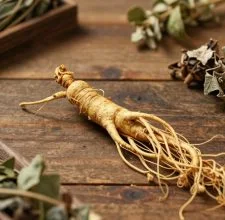
What does the evidence actually say about astragalus benefits?
The evidence for astragalus is a story of deep tradition and early, mostly preclinical science — strong on history, thinner on large human trials. Public-health references such as the National Center for Complementary and Integrative Health note that while astragalus has been studied for several uses, there is not enough rigorous human data to draw firm conclusions, and they flag possible interactions with immune-suppressing medicines. That is the responsible frame for everything below: interesting, traditional, and not a substitute for medical care.
| Claimed benefit | Where the idea comes from | Strength of human evidence |
|---|---|---|
| Everyday vitality & stamina | Two-thousand-year TCM tonic tradition | Traditional use; limited formal trials |
| Immune & antioxidant support | Polysaccharides and flavonoids studied in the lab | Promising preclinical; early human work |
| Resilience to everyday stress | Grouping with adaptogenic tonics | Traditional category; developing research |
| Metabolic / blood-sugar interest | Animal and cell studies of astragalus polysaccharides | Early and indirect; not established in humans |
Notice the last row. You will find laboratory and animal research exploring astragalus polysaccharides for metabolic effects, and that is genuinely interesting — but it is early, indirect, and far from a human blood-sugar claim. In Glyvoryn, astragalus is therefore positioned exactly where the evidence puts it: as a general tonic, not as a glucose lever in its own right.
How does astragalus round out Glyvoryn’s botanical blend?
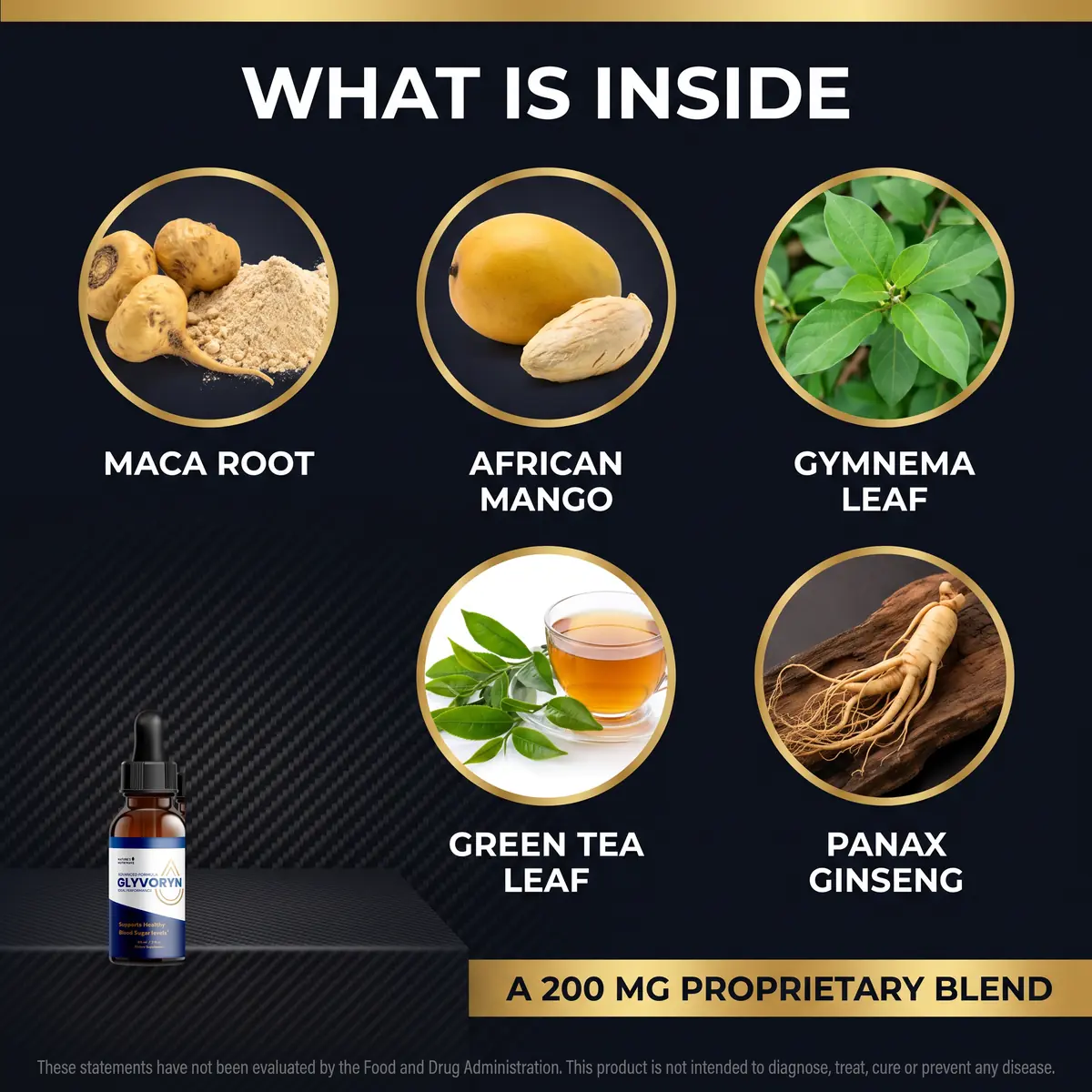
Astragalus rounds out Glyvoryn by supplying a base of general vitality support beneath the ingredients that do the blood-sugar-specific work. A good formula is a team, not a soloist: chromium contributes to normal macronutrient metabolism, gymnema carries the deepest blood-sugar-wellness tradition, green tea brings polyphenol antioxidants, and astragalus and panax ginseng anchor the whole thing in the tonic tradition of everyday stamina and resilience. Removing the tonic layer would not break the formula, but it would make it narrower.
| Ingredient | Primary job in the blend | Category |
|---|---|---|
| Chromium (picolinate) | Contributes to normal macronutrient metabolism | Essential trace mineral |
| Gymnema | Most-researched herb for everyday blood-sugar wellness | Ayurvedic botanical |
| Green tea | Polyphenol antioxidant support | Polyphenol source |
| Astragalus | Foundational vitality & resilience tonic | TCM qi tonic |
| Panax ginseng | Everyday energy and adaptogenic support | Adaptogen |
For the ingredients that carry the primary blood-sugar story, see our companion guide to chromium and gymnema for blood sugar, and for the diet side of the equation, the best foods to balance blood sugar. You can also read the full Glyvoryn ingredients section to see every botanical and its amount.
See the exact dose in Glyvoryn
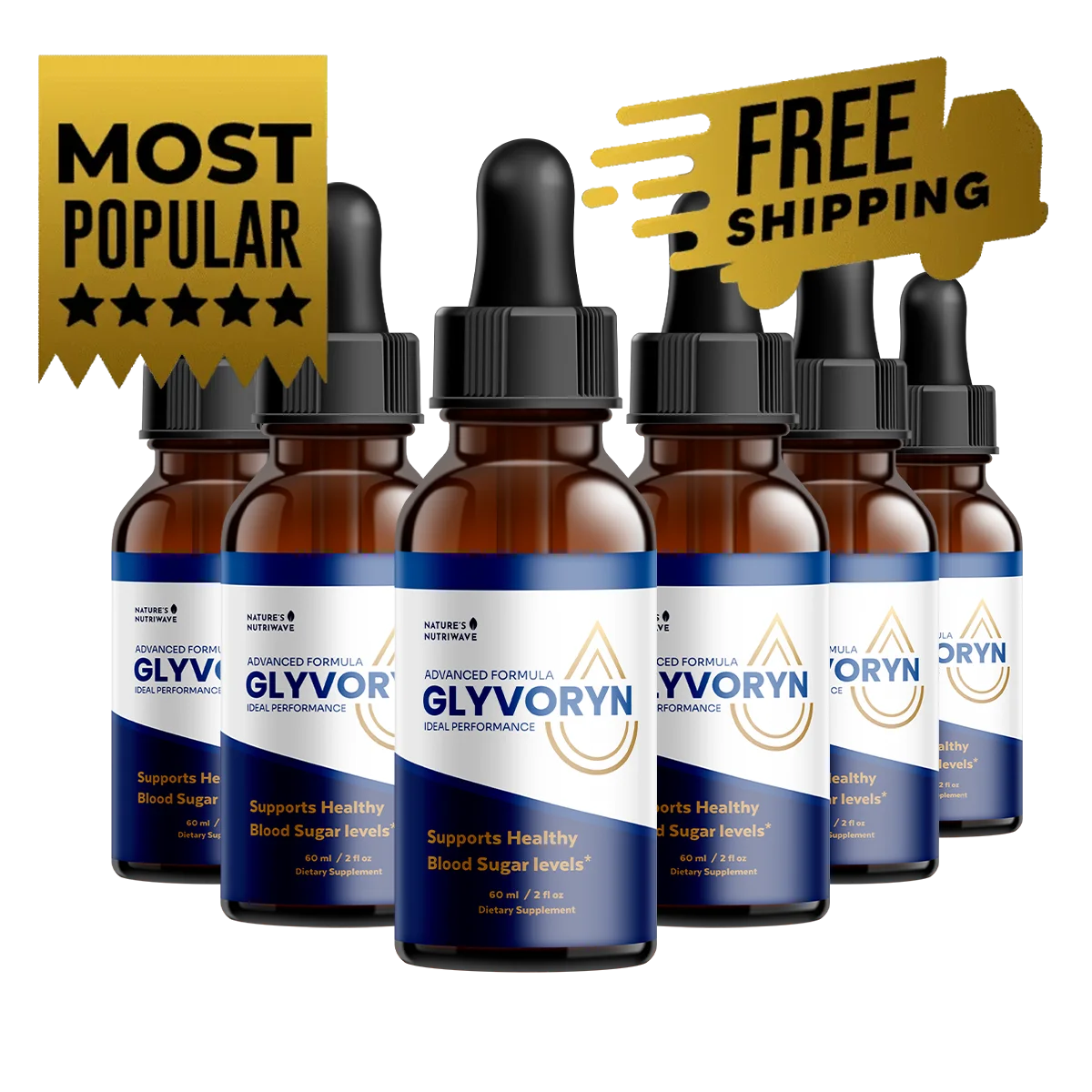
Glyvoryn is a once-daily dropper pairing chromium with a 200 mg botanical blend — astragalus among them. The six-bottle bundle is the best value at $49 per bottle, with free U.S. shipping and a 60-day guarantee.
Check today’s Glyvoryn pricing — from $49/bottleHow is astragalus used, and is it safe?
Astragalus is generally well tolerated in the food-style amounts found in daily supplements, but it is not automatically right for everyone. Traditionally the root was simmered into soups; today it is taken as an extract, a tincture, or — as in Glyvoryn — part of a liquid blend. The practical questions are how you take it and who should check with a professional first.
How is astragalus taken in Glyvoryn?
In Glyvoryn, astragalus is one component of a once-daily liquid dropper, so there is no separate pill to remember. You shake the bottle and take the labelled number of droppers full, and that single step covers chromium and the full 200 mg botanical blend. The point of a blend is balance, not a mega-dose of any one root.
Who should be cautious with astragalus?
Because astragalus can influence immune activity, health authorities advise caution for people taking immune-suppressing medication, and it may interact with some other drugs. It is generally not recommended during pregnancy or breastfeeding for lack of safety data, and anyone with an autoimmune condition or on prescription medicines — especially glucose-lowering or blood-pressure drugs — should speak with a doctor before adding it. As with any supplement, more is not better, and label directions exist for a reason.
Who should talk to a doctor first?
Botanical tonics support general wellness; they do not replace medical care, and a short conversation prevents most problems. Speak with your doctor before taking astragalus, or any astragalus-containing formula like Glyvoryn, if you are pregnant or nursing, under 18, have an autoimmune condition, take any prescription medication, or are managing a diagnosed condition. Persistent symptoms such as unusual fatigue, excessive thirst or unexplained weight change are reasons to see a professional, not to reach for a supplement.
Frequently asked questions
What is astragalus, and what are its benefits?
Astragalus (Astragalus membranaceus, or huang qi) is a root long used in traditional Chinese medicine as a general tonic. Its traditional benefits centre on supporting everyday vitality, stamina and resilience, and modern researchers study its plant compounds for immune and antioxidant activity. It is a wellness support, not a treatment for any disease.
Does astragalus help with blood sugar?
In Glyvoryn, astragalus is included as a foundational vitality tonic rather than a standalone glucose lever. Early laboratory and animal studies have explored its polysaccharides for metabolic effects, but human evidence is limited, so it is best viewed as general support that rounds out the better-studied blood-sugar botanicals in the blend.
Is astragalus considered an adaptogen?
Astragalus is frequently grouped with adaptogens — herbs traditionally used to help the body cope with everyday stress and fatigue. This reflects its long tonic tradition rather than a formal medical category, and the underlying human research is still developing.
How is astragalus used in Glyvoryn?
Glyvoryn delivers astragalus as part of its liquid botanical blend, taken as a once-daily dropper alongside chromium and herbs such as gymnema, maca, African mango, green tea and panax ginseng. The dropper format is designed for easy daily use rather than swallowing a pill.
Is astragalus safe to take?
Astragalus is generally well tolerated in the amounts used in food-style supplements, but it can interact with immune-suppressing and some other medications. People who are pregnant or nursing, have an autoimmune condition, or take prescription drugs should talk to a doctor before starting it.
How long has astragalus been used as a tonic?
Astragalus root has been used in traditional Chinese medicine for more than two thousand years, where it is prized as huang qi, a warming qi tonic for stamina and everyday resilience. That long tradition of use is why it appears in modern vitality-focused formulas.
See the exact dose in Glyvoryn — try it risk-free for 60 days →
Glyvoryn is a dietary supplement, not a treatment for any medical condition. These statements have not been evaluated by the Food and Drug Administration. This product is not intended to diagnose, treat, cure or prevent any disease. Always consult a qualified healthcare professional about your individual needs.
References & further reading
- National Center for Complementary and Integrative Health (NCCIH). Astragalus. nccih.nih.gov/health/astragalus
- Examine.com. Astragalus membranaceus — evidence-based summary. examine.com/supplements/astragalus-membranaceus
- National Center for Complementary and Integrative Health (NCCIH). Diabetes and Dietary Supplements. nccih.nih.gov/health/diabetes-and-dietary-supplements
- National Institutes of Health, Office of Dietary Supplements. Chromium — Fact Sheet for Health Professionals. ods.od.nih.gov/factsheets/Chromium-HealthProfessional
- Willcox ML, et al. Effectiveness of medicinal plants for glycaemic control in type 2 diabetes: an overview of meta-analyses of clinical trials. Frontiers in Pharmacology, 2021. PMID 34899340
- Brown AC. An overview of herb and dietary supplement efficacy, safety and government regulations in the United States with suggested improvements. Part 1 of 5 series. Food and Chemical Toxicology, 2017. PMID 27818322
- Orhan N, et al. Estimating the extent of adulteration of the popular herbs black cohosh, echinacea, elder berry, ginkgo, and turmeric — its challenges and limitations. Natural Product Reports, 2024. PMID 39108221
These references describe the ingredients in general terms and do not constitute evidence that any product treats, cures or prevents any condition.
Keep reading: how to support healthy blood sugar naturally · chromium and gymnema for blood sugar · back to the Glyvoryn blog · the Glyvoryn review.