Gymnema vs berberine for blood sugar: what Glyvoryn uses and why

Updated September 2026 · reviewed by the Glyvoryn Research Team. We are an independent information resource, not a medical provider, and this article is educational rather than medical advice.
Gymnema vs berberine is a comparison of two of the most popular blood-sugar botanicals: berberine is an alkaloid extracted from plants like barberry and studied mainly for how it influences cellular energy metabolism, while gymnema sylvestre is an Ayurvedic leaf used for centuries to curb sugar cravings and support everyday glucose balance. Neither is a medicine, both work best alongside diet and movement, and the better choice depends on your goals — which is exactly why Glyvoryn builds its formula around gymnema rather than berberine. Berberine's evidence base is the larger of the two: a systematic review and meta-analysis of randomised controlled trials examined its effect on metabolic profiles in type 2 diabetic patients (Guo et al., Oxidative Medicine and Cellular Longevity, 2021).
Gymnema vs berberine, honestly compared.
- Berberine
- A bitter plant alkaloid studied for its effect on the AMPK cellular energy pathway; often taken in gram-level doses and more likely to cause digestive upset.
- Gymnema
- An Ayurvedic leaf nicknamed the “sugar destroyer”; traditionally used to dull the taste of sweetness and support everyday glucose balance, and generally well tolerated.
- The honest verdict
- Neither is a treatment and head-to-head trials are limited — they suit different goals, and some formulas even combine them.
- Why Glyvoryn picks gymnema
- A gentle, well-tolerated botanical with a long wellness tradition fits a daily dropper, paired with chromium and four supporting botanicals.
If you have shopped for a blood-sugar supplement lately, two ingredients keep surfacing: berberine and gymnema. They are often mentioned in the same breath, yet they come from different plants, work through different mechanisms and suit different people. This guide compares them plainly — where the evidence is strong, where it is thin, and where a formula like Glyvoryn fits. For gymnema alone, a study measured glycaemic control, insulin secretion and insulin sensitivity in people with impaired glucose tolerance (Gaytán Martínez et al., Journal of Medicinal Food, 2021).
What is berberine, and how is it thought to work?
Berberine is a bright-yellow alkaloid compound extracted from several plants, including barberry, goldenseal and Oregon grape, and it has become one of the most-discussed supplements in the blood-sugar space. In the body it is best known for activating an enzyme called AMPK — sometimes described as a cellular “metabolic master switch” — involved in how cells take up and use glucose and fat for energy. Neither of these is an adaptogen in the sense that maca and panax ginseng are, and neither is aimed at fatigue. Human studies have looked at berberine for glucose and lipid metabolism; some are encouraging, but many are small and vary in quality, so it reads as a supported area of interest rather than a settled conclusion.
Berberine is typically taken in fairly large amounts, often around 500 mg two or three times a day with meals, because it clears the body quickly. That gram-level dosing is part of why it is usually sold as a standalone capsule rather than folded into a broader blend.
What is gymnema sylvestre, and why the “sugar destroyer” name?
Gymnema sylvestre is a woody climbing plant native to India and Africa whose leaves have been used in Ayurvedic tradition for more than two thousand years, earning the Hindi name gurmar, or “sugar destroyer.” Its signature trick is sensory: compounds called gymnemic acids can temporarily bind to the sweet-taste receptors on your tongue, so for a short while afterward sugary foods taste bland — a genuinely useful nudge for anyone trying to rein in sweet cravings. Beyond the taste effect, gymnema is among the most traditionally referenced herbs for everyday blood-sugar wellness, though here too the modern clinical evidence is still developing.
Where berberine leans on a specific enzyme story, gymnema is valued for its long tradition of use, its craving-curbing sensory effect, and a gentle, well-tolerated profile that makes it easy to take every day — exactly what a daily wellness formula is looking for.
Gymnema vs berberine: how do they compare side by side?
The clearest way to weigh gymnema vs berberine is to line up what each brings to the table — origin, mechanism, typical dose, tolerability and best-fit use. The table below summarizes the practical differences; both are dietary supplements, not treatments for any condition.
| Berberine | Gymnema sylvestre | |
|---|---|---|
| What it is | Plant alkaloid (from barberry, goldenseal, Oregon grape) | Leaf of an Ayurvedic climbing plant |
| Tradition | Used in traditional Chinese & Ayurvedic medicine | 2,000+ years in Ayurveda; the “sugar destroyer” |
| Discussed mechanism | Activates the AMPK cellular energy pathway | Blunts sweet taste; supports everyday glucose balance |
| Typical serving | ~500 mg, two-three times daily (gram-level) | Modest amounts within a blend or extract |
| Tolerability | Digestive upset is common at higher doses | Generally well tolerated |
| Best-known appeal | Metabolic-pathway story for glucose & lipids | Sugar-craving control & daily wellness support |
A pattern appears: berberine is the higher-dose, clinically buzzy standalone, while gymnema is the gentler, tradition-rich botanical that slots into a broader daily blend. Neither “beats” the other — they answer different questions.
Which one has stronger clinical evidence?
Honesty matters here: head-to-head trials directly comparing gymnema and berberine are scarce, so anyone claiming a clear winner is overstating the science. Berberine has accumulated more modern human studies on glucose and cholesterol markers, but many are small, short or of mixed quality. Gymnema has a deeper traditional record and some supportive early research, yet fewer large modern trials. The responsible summary is that both are areas of legitimate interest that need more rigorous study — and that neither should be treated as a substitute for medical care. There is at least one direct comparison: a randomised study measured gymnema and berberine against adipokines, body composition and metabolic parameters in obese patients (Bandala et al., Nutrients, 2024).
Which is easier on the stomach?
Gymnema generally wins on tolerability. Berberine’s most common drawback is gastrointestinal: cramping, diarrhea or constipation, particularly at higher doses, which is one reason it is split into two or three servings a day. Gymnema is usually well tolerated. Even so, both can influence blood sugar, so neither is a casual add-on for someone taking glucose-lowering medication without a doctor’s sign-off.
See the exact dose in Glyvoryn
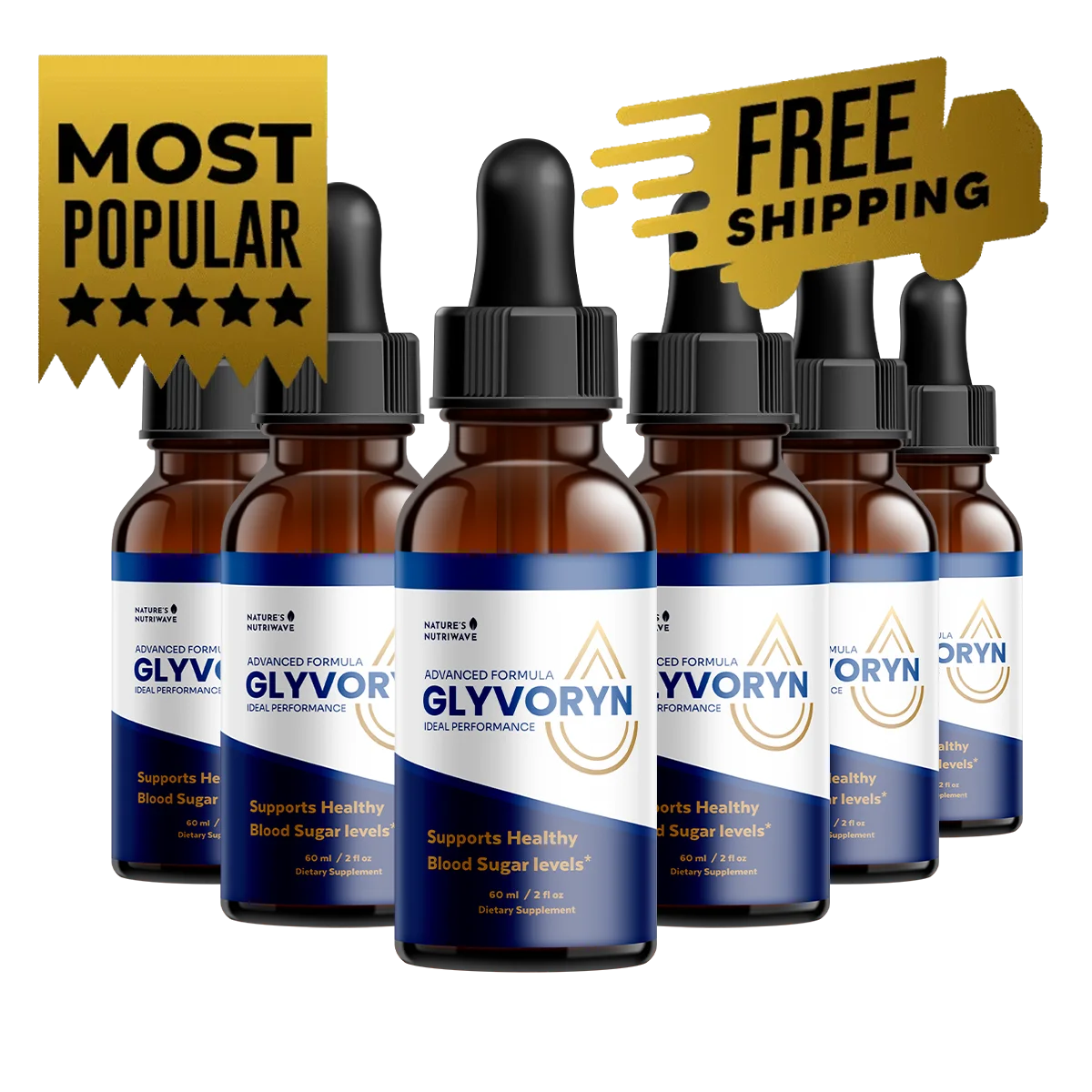
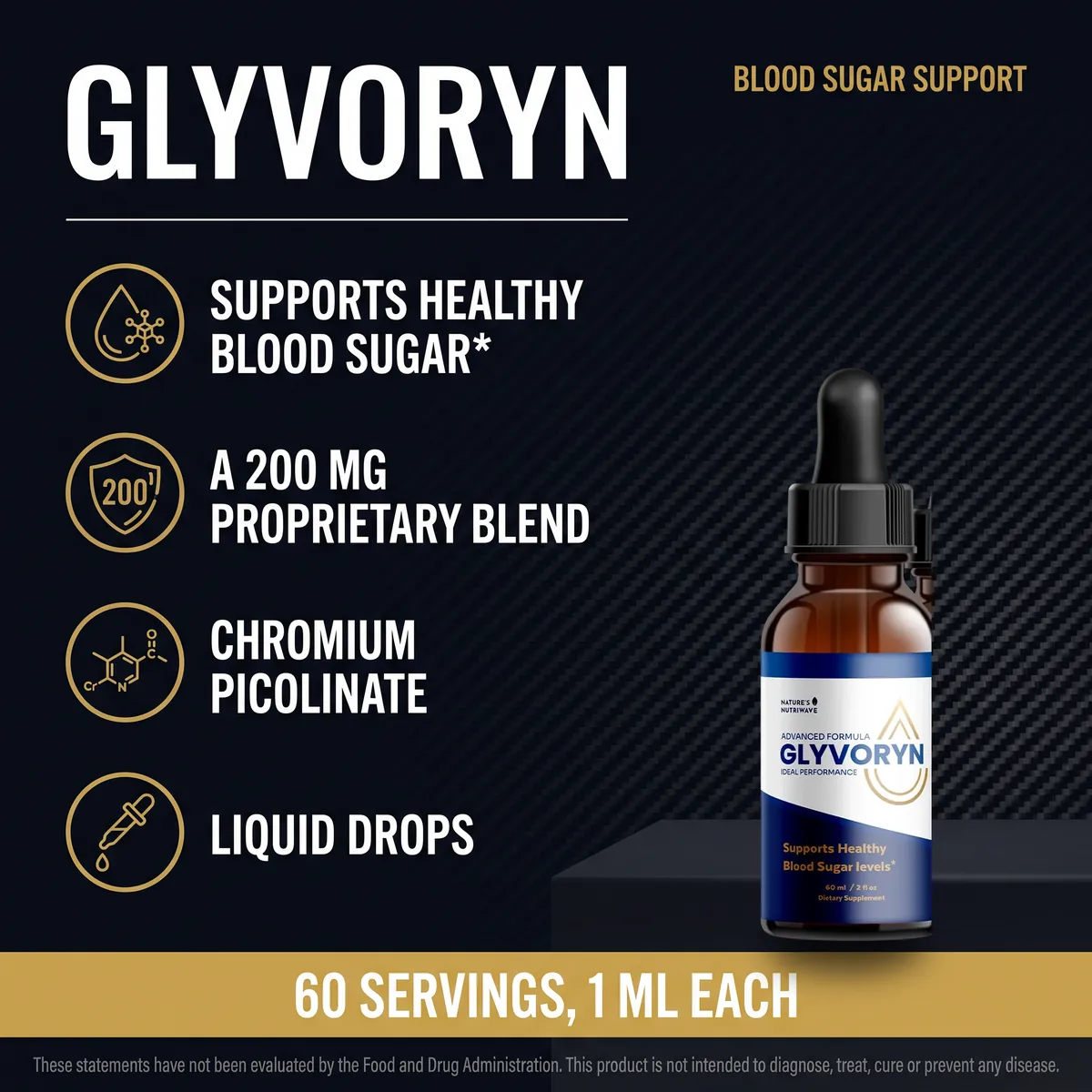
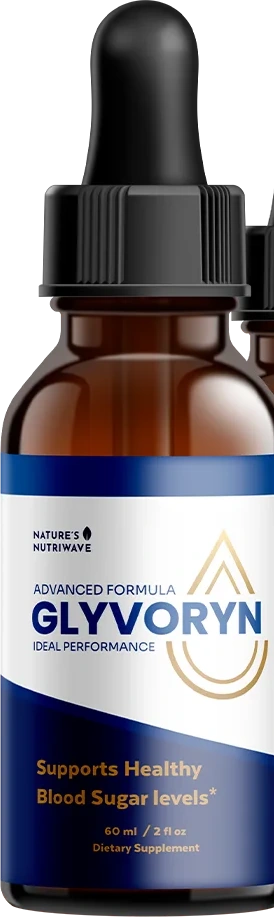
Glyvoryn is a once-daily dropper pairing chromium picolinate with a 200 mg botanical blend built around gymnema. The six-bottle bundle is the best value at $49 per bottle, with free U.S. shipping and a 60-day guarantee.
Check today’s Glyvoryn pricing — from $49/bottleWhy does Glyvoryn feature gymnema and not berberine?
Glyvoryn is built around gymnema, alongside the chromium, the botanicals and the amino-acid layer underneath them, because a daily wellness dropper needs an ingredient that is gentle, well tolerated and easy to combine — and gymnema fits that brief better than high-dose berberine, whose gram-level, multiple-times-a-day regimen and greater tendency toward digestive upset make it awkward to fold into a low-volume liquid blend.
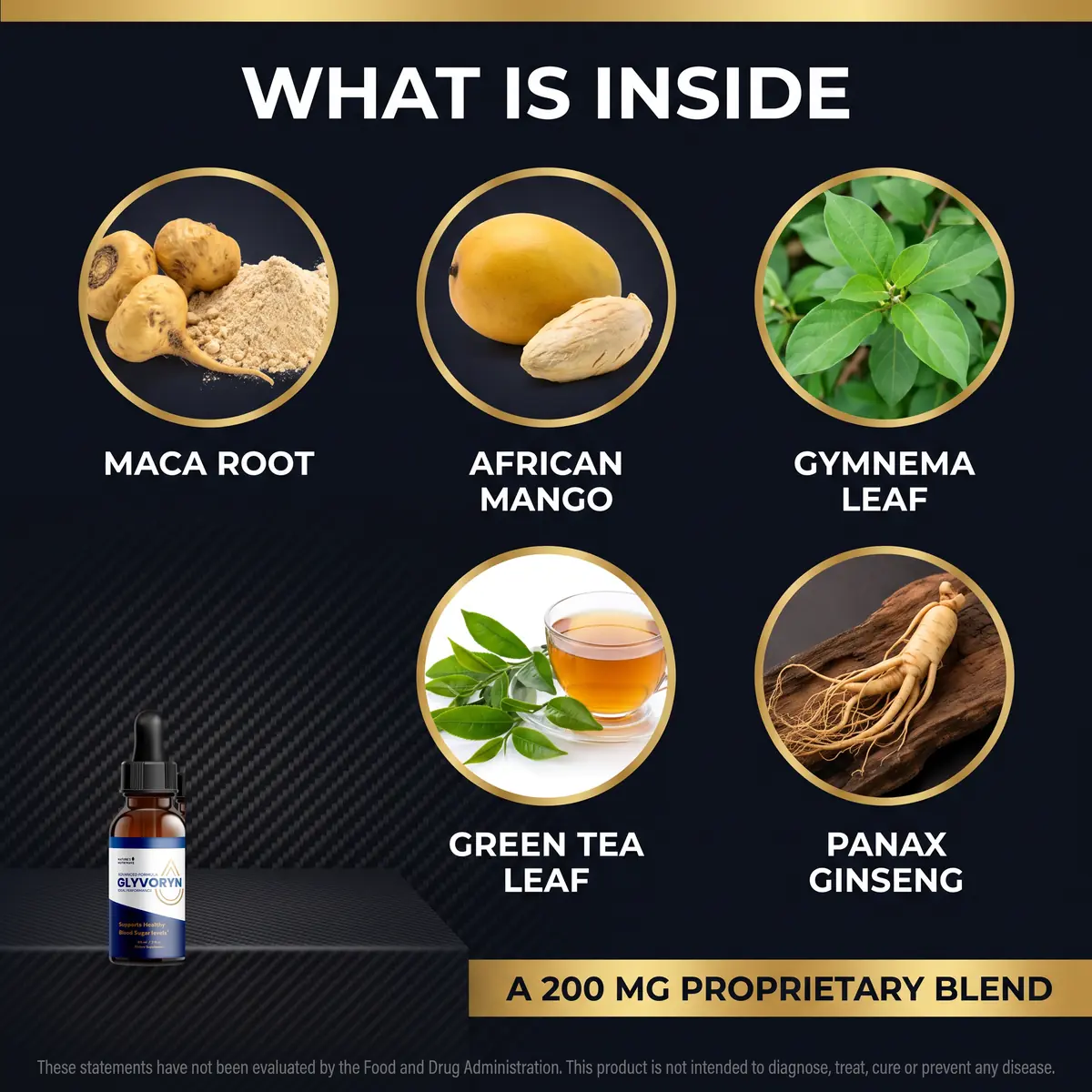
Inside Glyvoryn, gymnema does not work alone. It sits within a 200 mg botanical blend alongside maca root, African mango, green tea and panax ginseng, with chromium (as chromium picolinate) added because chromium contributes to normal macronutrient metabolism — the everyday processing of carbohydrates, fats and proteins. The result is a once-daily liquid dropper rather than a fistful of capsules. To see how two of those ingredients pair up, read our guide on chromium and gymnema for blood sugar, or explore the full ingredients breakdown.
Can you take gymnema and berberine together?
Combining gymnema and berberine is possible — some multi-ingredient formulas do exactly that — but it is a decision to make with a professional rather than on your own. Because both may influence blood sugar, stacking them, or adding either alongside glucose-lowering medication, raises the theoretical risk of pushing glucose lower than intended. There is no need to double up for its own sake: a single blend that already includes gymnema, plus supporting nutrients like chromium, covers the everyday-wellness goal without the guesswork of self-mixing high-dose extracts.
How should you choose between them?
Choosing between gymnema and berberine comes down to your goal, your tolerance and your doctor’s input rather than a universal ranking. The reference below maps common situations to the more natural fit — always as a supplement to diet and activity, never a treatment.
| If your priority is… | The more natural fit | Keep in mind |
|---|---|---|
| Curbing sweet cravings day to day | Gymnema | The sweet-taste effect is temporary and works best before sweet foods. |
| A gentle, once-daily wellness routine | Gymnema (as in Glyvoryn) | Fits a low-volume dropper alongside other botanicals. |
| A single-ingredient, higher-dose experiment | Berberine | Expect gram-level, multi-dose timing and possible digestive upset. |
| You take blood-sugar medication | Neither without medical advice | Both may affect glucose; talk to your doctor or pharmacist first. |
| Simplicity over stacking extracts | A blend built around gymnema | One formula, one daily step, supporting nutrients included. |
When should you talk to a doctor first?
Both gymnema and berberine are dietary-supplement ingredients for supporting blood sugar already within a normal range, not replacements for medical care. Speak with your doctor before using either if you are pregnant or nursing, under 18, take any medication — especially glucose-lowering medicine — have a diagnosed condition, or are scheduled for surgery. Berberine in particular is known to interact with several medications.
Frequently asked questions
Is gymnema or berberine better for blood sugar?
There is no single winner — they work differently. Berberine is an alkaloid studied for its effect on cellular energy pathways, while gymnema is a leaf traditionally used to curb sugar cravings and support everyday glucose balance. Both are supports to diet and activity, not treatments, and the right choice depends on your goals and what your doctor advises.
Can you take gymnema and berberine together?
Some formulas combine them, and there is no widely reported problem with using both. However, both may influence blood sugar, so stacking them — or adding either to glucose-lowering medication — is a conversation to have with your doctor or pharmacist first to avoid pushing glucose too low.
Why does Glyvoryn use gymnema instead of berberine?
Glyvoryn features gymnema because it pairs a long tradition of everyday blood-sugar and sugar-craving support with a gentle, well-tolerated profile that suits a daily wellness dropper. Gymnema sits inside a 200 mg botanical blend alongside maca, African mango, green tea and panax ginseng, with chromium picolinate for normal macronutrient metabolism.
Does berberine have more side effects than gymnema?
Berberine is most commonly associated with digestive complaints such as cramping, diarrhea or constipation, especially at higher doses, and it can interact with several medications. Gymnema is generally well tolerated, though anyone on glucose-lowering medication should still check with a doctor before using either.
How long do gymnema and berberine take to work?
Neither is an instant fix. Botanicals build their support gradually alongside diet and activity, so most people give a routine several weeks to a few months of consistent daily use. Individual results vary, and a supplement supports — rather than replaces — healthy habits.
Are gymnema and berberine safe?
For most healthy adults both are considered well studied when used as directed, but neither is right for everyone. Avoid them if you are pregnant or nursing, under 18, or on medication for blood sugar unless your doctor approves, because both may affect glucose levels.
See the exact gymnema dose in Glyvoryn — try it risk-free for 60 days →
Glyvoryn is a dietary supplement, not a treatment for any medical condition. These statements have not been evaluated by the Food and Drug Administration. This product is not intended to diagnose, treat, cure or prevent any disease. Always consult a qualified healthcare professional about your individual needs.
References & further reading
- National Center for Complementary and Integrative Health (NCCIH). Diabetes and Dietary Supplements. nccih.nih.gov/health/diabetes-and-dietary-supplements
- Examine.com. Berberine — evidence-based summary. examine.com/supplements/berberine
- Examine.com. Gymnema sylvestre — evidence-based summary. examine.com/supplements/gymnema-sylvestre
- National Institutes of Health, Office of Dietary Supplements. Chromium — Fact Sheet for Health Professionals. ods.od.nih.gov/factsheets/Chromium-HealthProfessional
- Guo J, et al. The effect of berberine on metabolic profiles in type 2 diabetic patients: a systematic review and meta-analysis of randomized controlled trials. Oxidative Medicine and Cellular Longevity, 2021. PMID 34956436
- Bandala C, et al. Comparative effects of Gymnema sylvestre and berberine on adipokines, body composition, and metabolic parameters in obese patients: a randomized study. Nutrients, 2024. PMID 39064727
- Gaytán Martínez LA, et al. Effect of Gymnema sylvestre administration on glycemic control, insulin secretion, and insulin sensitivity in patients with impaired glucose tolerance. Journal of Medicinal Food, 2021. PMID 32460589
These references describe the ingredients in general terms and do not constitute evidence that any product treats, cures or prevents any condition.
Keep reading: how chromium and gymnema work together · how to support healthy blood sugar naturally · the best foods to balance blood sugar · read the full Glyvoryn review.