Maca vs ginseng for energy: why Glyvoryn uses both botanicals

Updated September 2026 · reviewed by the Glyvoryn Research Team. We are an independent information resource, not a medical provider, and this article is educational rather than medical advice.
Maca versus ginseng for energy comes down to two different traditions doing complementary jobs: maca is a nourishing Andean root eaten as a food and used for endurance and vitality, while panax ginseng is a classic East Asian adaptogen valued for alertness and resilience. Rather than pick a winner, the Glyvoryn formula includes both, because their strengths overlap without duplicating — and this guide explains exactly why. Ginseng has the stronger glucose evidence of the two: a systematic review and meta-analysis of randomised controlled clinical trials examined the genus Panax and glycaemic control (Shishtar et al., PLoS ONE, 2014).
Maca or ginseng for energy — the honest, short version.
- Are they the same?
- No. Maca is a cruciferous root food from the Andes; panax ginseng is an adaptogen root from East Asia. Different plants, different compounds, overlapping reputations.
- Which is better for energy?
- Ginseng has more human research on mental fatigue and stamina; maca is the gentler, food-like tonic. Neither is a stimulant, and neither is a treatment.
- Can you use both?
- Yes — many traditional and modern blends pair them. Glyvoryn carries both inside its 200 mg botanical blend.
- Important caveat
- Energy botanicals support everyday vitality; they do not diagnose, treat or cure fatigue, blood-sugar or any other condition. Medication users should ask a doctor first.
Search for a natural energy botanical and two names surface again and again: maca and panax ginseng. They are often presented as rivals, yet the people who have used them longest tend to reach for both. This comparison lays out what each root is, what the evidence supports, and why a formula like Glyvoryn treats them as teammates rather than competitors. Maca's own trial evidence is about performance and fatigue, as a double-blind crossover study of supplementation and antifatigue ability illustrates (Wu et al., Journal of Physiological Investigation, 2025).

What is the difference between maca and panax ginseng?
The core difference is botanical: maca (Lepidium meyenii) is a cruciferous root vegetable from the high Peruvian Andes, while panax ginseng (Panax ginseng) is a fleshy root from the Araliaceae family native to Korea and China. Maca is eaten as a food and has been for millennia; ginseng has always been a medicine and tonic rather than a staple crop. They share a reputation for supporting energy and stamina, but they get there through entirely different chemistry — maca through glucosinolates and macamides, ginseng through its signature ginsenosides.
That distinction explains why combining them is not redundant: taking two roots that support vitality along different pathways is how traditional herbalism has layered tonics for centuries.
What is maca root, and how does it support energy?
Maca is a nutrient-dense Andean root traditionally used as a nourishing tonic for stamina, mood and libido rather than as a fast stimulant. Grown above 4,000 metres where few crops survive, it has been part of Andean diets and folk medicine for thousands of years, valued as much for feeding people through hard winters as for its reputation as an energizer.
What does the research say about maca?
Maca is one of the better-studied Andean botanicals, though the human trials remain small and mixed. The most consistent signals appear in studies on mood, perceived energy and sexual well-being, and reviews from the U.S. National Center for Complementary and Integrative Health note that maca is generally well tolerated but that the evidence for any specific health claim is still limited. In honest terms: promising tradition, encouraging early data, not yet a settled case — which is why a responsible formula frames maca as support for everyday vitality, not a proven remedy.
Is maca a stimulant?
No — maca contains no caffeine and does not work like coffee. People often describe its effect as a gradual, food-like steadiness rather than a jolt, which is part of why it is taken daily and over weeks rather than as a pre-workout hit. That slow-building character is worth remembering when you set expectations. The two stimulant-adjacent botanicals are dealt with in guarana and eleuthero in Glyvoryn.
What is panax ginseng, and how does it support stamina?
Panax ginseng is one of the original adaptogens — botanicals traditionally used to help the body cope with everyday physical and mental stress — and it is the more heavily researched of the two roots. In traditional East Asian medicine it was reserved as a premium tonic for vitality and recovery, and its Latin name, Panax, shares a root with “panacea.” Its activity is attributed largely to ginsenosides, a family of compounds found in the root. Adaptogen claims do fail when they are properly tested: a randomised controlled study found no benefit from adding eleuthero to stress management training (Schaffler et al., Pharmacopsychiatry, 2013).
What does the research say about panax ginseng?
Panax ginseng has a larger human-trial base than maca, particularly around mental fatigue, alertness and general well-being, though NCCIH still describes the overall evidence as suggestive rather than conclusive. Several trials point to modest support for feelings of energy and cognitive stamina, but effect sizes are small and results are not uniform — the most-studied of the classic energy tonics, with real but measured support behind it.
Who should be cautious with ginseng?
Because ginseng is pharmacologically active, it warrants more caution than a food-like root. It may interact with blood-thinning and diabetes medications and is not recommended in pregnancy, so anyone in those situations should speak to a clinician first — one reason a measured amount inside a balanced blend is a different proposition from a mega-dose extract.
Maca vs ginseng for energy: which is better?
“Better” depends on what you are asking a botanical to do, so the useful comparison is side by side rather than head to head. The table below lines up the two roots on the attributes people actually care about when choosing an energy supplement.
| Attribute | Maca root | Panax ginseng |
|---|---|---|
| Plant family | Brassicaceae (cruciferous) | Araliaceae |
| Origin | Peruvian Andes | Korea & China |
| Used as a food? | Yes — an Andean staple | No — a tonic herb |
| Key compounds | Macamides, glucosinolates | Ginsenosides |
| Traditional focus | Endurance, mood, libido | Resilience, alertness, recovery |
| Research depth | Smaller, mixed human trials | Larger, still-suggestive trials |
| Stimulant? | No | No |
| Everyday character | Gentle, food-like, slow-building | Active adaptogen, more caution needed |
Read the columns and a pattern appears: ginseng brings the deeper research file, maca brings the gentle, food-grade character. That is a case for a pairing, not a contest — and it is precisely the logic Glyvoryn follows.
See the exact dose in Glyvoryn
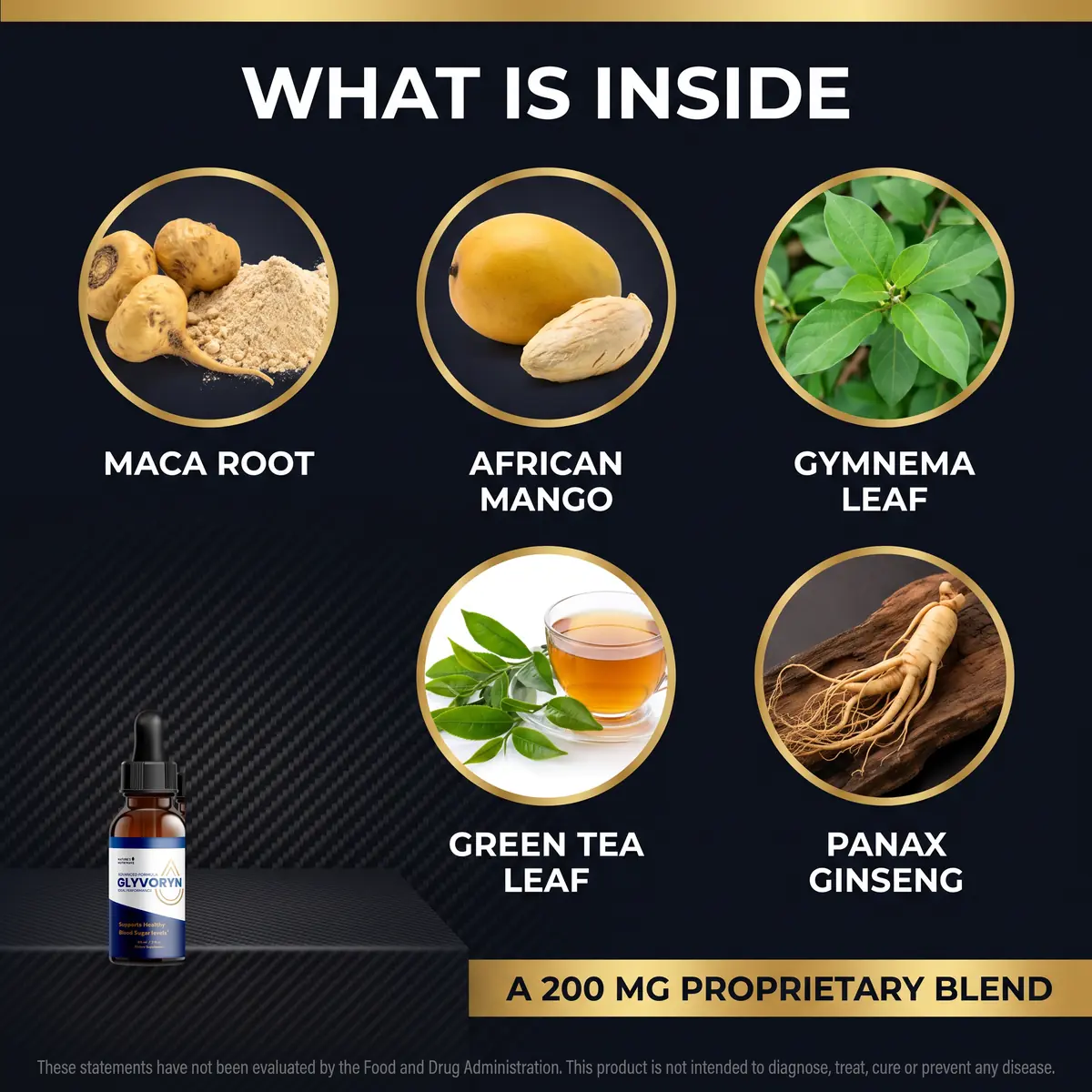
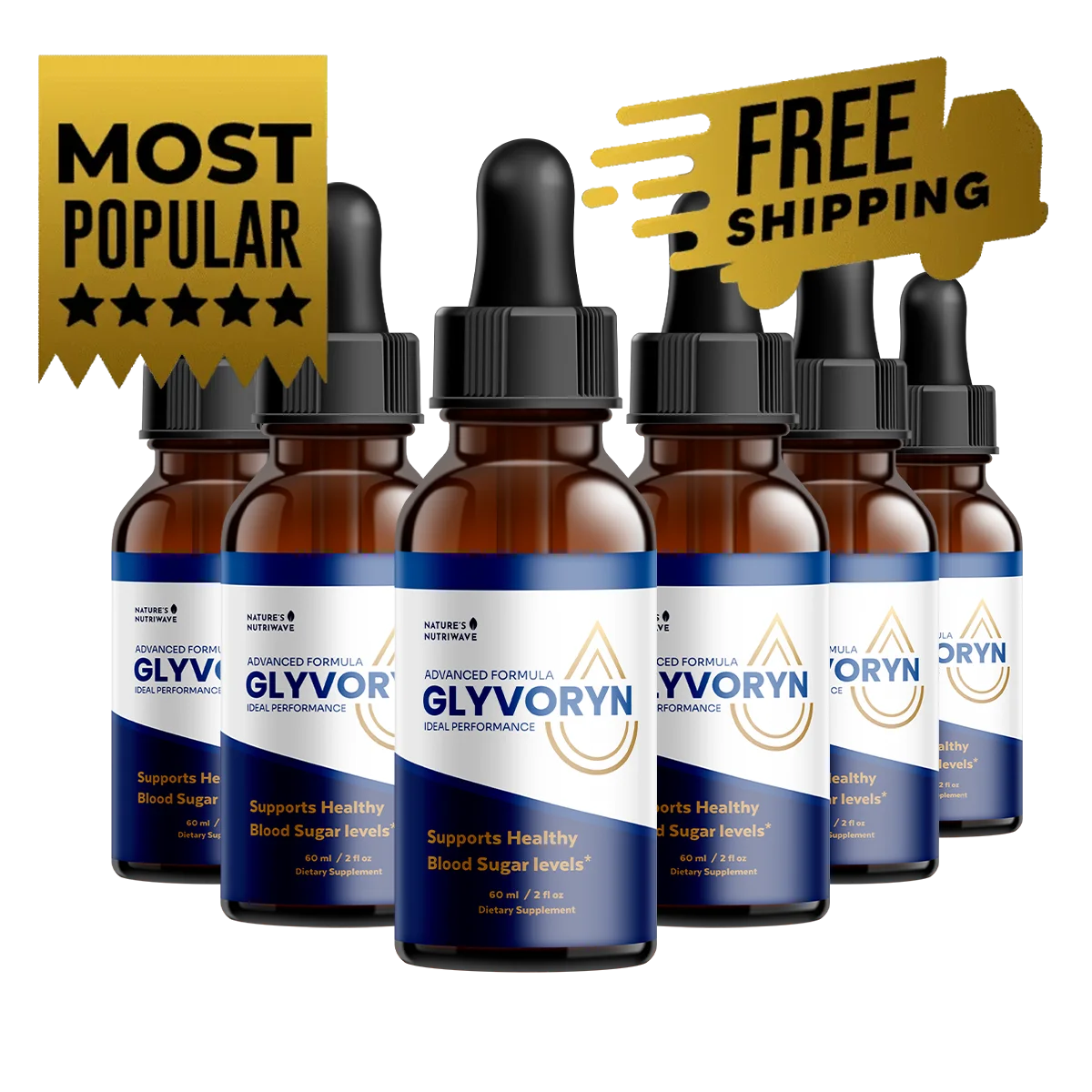
Glyvoryn is a once-daily dropper that pairs chromium with a 200 mg botanical blend — maca and panax ginseng included. The six-bottle bundle is the best value at $49 per bottle, with free U.S. shipping and a 60-day guarantee.
Check today's Glyvoryn pricing — from $49/bottleWhy does Glyvoryn use both maca and panax ginseng?
Glyvoryn pairs maca and panax ginseng because the two roots cover energy and vitality from complementary angles rather than duplicating one effect. Ginseng contributes the more-studied adaptogen tradition for alertness and resilience; maca contributes a gentle, food-like base traditionally tied to stamina and mood. Neither is asked to carry the whole formula, and neither is present at a heroic extract dose — they are two voices in a five-botanical blend.
Energy is only one part of what Glyvoryn is about. The formula is built around everyday blood-sugar support, where the lead actors are chromium, gymnema and African mango — you can read how those work in our guide to chromium and gymnema for blood sugar. Maca and ginseng ride alongside as the vitality layer. For the whole picture, see the full ingredients section or our overview of supporting healthy blood sugar naturally.
How do the two roots compare on traditional use and dosing?
Because maca is a food and ginseng is a tonic herb, their traditional serving sizes and cautions differ, and a blend has to respect both. The table below summarises how each is typically approached — useful context for reading any supplement facts panel, including Glyvoryn's. The quieter amino compounds on the same panel are dealt with in L-carnitine in Glyvoryn.
| Consideration | Maca root | Panax ginseng |
|---|---|---|
| Typical standalone use | Grams of root powder, food-like | Milligrams of standardized extract |
| Onset expectation | Gradual, over weeks | Gradual, sometimes days to weeks |
| Pregnancy / nursing | Ask a doctor | Generally not advised |
| Medication interactions | Few well-documented | Possible with blood thinners & diabetes drugs |
| Role inside a blend | Gentle vitality base | Studied adaptogen accent |
The practical takeaway: within Glyvoryn's 200 mg botanical mix, both roots appear at supportive amounts rather than clinical mega-doses, the sensible way to combine them for daily use. Compare the packages and pricing for a multi-month supply, since botanicals build their support gradually.
See the exact dose in Glyvoryn →
When should you talk to a doctor about energy botanicals?
Energy botanicals are for supporting everyday vitality in generally healthy adults, not for diagnosing or treating fatigue, low energy or any medical condition. Persistent tiredness can have real medical causes — from thyroid issues to anaemia to sleep disorders — so ongoing or severe fatigue is a reason to see a clinician, not to self-treat. Speak with your doctor before starting maca or ginseng if you are pregnant or nursing, under 18, take any medication (especially blood thinners or glucose-lowering drugs), or manage a diagnosed condition.

Frequently asked questions
Is maca or ginseng better for energy?
Neither is strictly better; they support energy differently. Panax ginseng is the more researched of the two for mental fatigue and stamina, while maca is a nourishing root traditionally used for endurance, mood and libido. Because their traditions complement each other, Glyvoryn includes both rather than choosing one.
What is the difference between maca and panax ginseng?
Maca is a cruciferous Andean root eaten as a food and used as a nourishing tonic, while panax ginseng is an East Asian root prized as an adaptogen for resilience and alertness. Maca contains no ginsenosides, and ginseng is not a food staple, so they are botanically and traditionally distinct.
Can you take maca and ginseng together?
Many traditional and modern formulas, including Glyvoryn, combine maca and panax ginseng because their uses overlap without duplicating. As with any supplement, anyone who is pregnant, nursing, on medication or managing a health condition should check with a doctor before combining botanicals.
How much maca and ginseng are in Glyvoryn?
Maca and panax ginseng are two members of Glyvoryn's 200 mg botanical blend, which also includes gymnema, African mango and green tea, alongside chromium picolinate. The full amounts appear on the supplement facts panel on the product page.
Are maca and ginseng adaptogens?
Panax ginseng is one of the classic adaptogens, a term for botanicals traditionally used to help the body cope with everyday stress. Maca is often grouped with adaptogens for its nourishing, energy-supporting reputation, though it belongs to a different plant family and works through different compounds.
Do maca or ginseng affect blood sugar?
Both have been studied in the general metabolic-wellness conversation, but neither is a treatment for blood sugar. In Glyvoryn they sit beside chromium, gymnema and African mango, which are the ingredients most associated with everyday blood-sugar support, while maca and ginseng focus on energy and vitality.
Try Glyvoryn risk-free for 60 days →
Glyvoryn is a dietary supplement, not a treatment for any medical condition. These statements have not been evaluated by the Food and Drug Administration. This product is not intended to diagnose, treat, cure or prevent any disease. Always consult a qualified healthcare professional about your individual needs.
References & further reading
- National Center for Complementary and Integrative Health (NCCIH). Asian Ginseng. nccih.nih.gov/health/asian-ginseng
- National Center for Complementary and Integrative Health (NCCIH). “Adaptogens” — What the Science Says. nccih.nih.gov (herbs & botanicals)
- Examine.com. Maca (Lepidium meyenii) — evidence-based summary. examine.com/supplements/maca
- Examine.com. Panax ginseng — evidence-based summary. examine.com/supplements/panax-ginseng
- Shishtar E, et al. The effect of ginseng (the genus Panax) on glycemic control: a systematic review and meta-analysis of randomized controlled clinical trials. PLoS ONE, 2014. PMID 25265315
- Wu PS, et al. The impact of Lepidium meyenii (maca) supplementation on basketball-related performance and antifatigue ability: a double-blind crossover study. Journal of Physiological Investigation, 2025. PMID 40960048
- Schaffler K, et al. No benefit adding Eleutherococcus senticosus to stress management training in stress-related fatigue/weakness, impaired work or concentration: a randomized controlled study. Pharmacopsychiatry, 2013. PMID 23740477
These references describe the ingredients in general terms and do not constitute evidence that any product treats, cures or prevents any condition.
Keep reading: how chromium and gymnema work · the best foods to balance blood sugar · the Glyvoryn review · back to the Glyvoryn blog.