Panax ginseng and blood sugar: the adaptogen inside Glyvoryn

Published August 2026 · reviewed by the Glyvoryn Research Team. We are an independent information resource, not a medical provider, and this article is educational rather than medical advice.
Panax ginseng is a storied adaptogenic root, native to Asia, used for centuries to support resilience to everyday stress, steadier energy and general vitality — and it is one of the botanicals blended into Glyvoryn alongside its chromium base. In modern wellness it is best understood as a supporting tonic that complements diet and movement, not a treatment for any condition, and its role in blood-sugar formulas is grounded more in tradition and early research than in settled proof. The dose inside a proprietary blend is undisclosed by design, which is a feature of United States supplement labelling rather than an oversight (Brown, Food and Chemical Toxicology, 2017).
What panax ginseng is doing inside a blood-sugar formula, honestly.
- What it is
- Asian ginseng (Panax ginseng), an adaptogen prized for energy and resilience — distinct from the more calming American ginseng.
- Why it is in Glyvoryn
- To pair the everyday-energy reputation of ginseng with the metabolic base of chromium and the gymnema-led botanical blend.
- The evidence
- Small trials on ginseng and glucose show mixed, non-conclusive results; it is a support, not a proven remedy.
- Who should be cautious
- Anyone on glucose-lowering or blood-thinning medication, pregnant or nursing — ask a doctor first.
If you have scanned the Glyvoryn label and wondered why a blood-sugar dropper contains ginseng, you are asking the right question. This spotlight explains what panax ginseng is, where its reputation comes from, and how it fits alongside chromium. For the full picture, read our main Glyvoryn review.

What is panax ginseng?
Panax ginseng is the botanical name for Asian ginseng, a slow-growing perennial whose gnarled root has been a cornerstone of East Asian herbal tradition for more than two thousand years. The genus name Panax shares a root with “panacea,” a nod to how broadly it was once prized. Also called Korean or Chinese ginseng, it is classed today as an adaptogen — a plant traditionally thought to help the body cope with stress and hold a steadier balance. Its active compounds are a family of saponins called ginsenosides, which most modern research tries to isolate and understand. How that result sits against the wider herbal literature is covered in an overview of meta-analyses of medicinal plants for glycaemic control (Willcox et al., Frontiers in Pharmacology, 2021).
Crucially, panax ginseng is not the same plant as the ashwagandha, rhodiola or maca in other adaptogen blends, and it is not American ginseng either — differences that matter, because tradition uses each for a slightly different job.
Where does its reputation come from?
Ginseng’s reputation is built on centuries of use as a restorative tonic for fatigue and low vitality, reserved traditionally for rebuilding strength and stamina — which is why it survives as the archetypal “energy herb.” That long track record is a reason it is trusted, but tradition is a starting point for interest, not a substitute for evidence.
What does panax ginseng do as an adaptogen?
As an adaptogen, panax ginseng is traditionally used to smooth the body’s response to everyday stress rather than to stimulate it the way caffeine does. The idea behind an adaptogen is resilience: instead of a sharp lift and crash, the aim is gentler, more sustained steadiness. In practice, people reach for asian ginseng adaptogen blends hoping for more even day-to-day energy and a better-weathered response to mental and physical demands. The same traditional-use caveat applies to astragalus root in this blend.
It is worth being plain: adaptogen is a traditional category more than a strict pharmacological one, and the science is still developing. The most reasonable expectation for ginseng energy is subtle, gradual support felt over weeks of consistent use, not a dramatic same-day change.
Does panax ginseng help blood sugar?
Panax ginseng has been investigated for its relationship to glucose metabolism, and the honest summary is that results are mixed and not conclusive. Several small human trials have reported modest reductions in fasting blood glucose in some groups, while others found little or no measurable effect. Researchers point to ginsenosides as the likely active compounds, but study designs, doses and preparations vary so widely that firm conclusions are not yet possible. A systematic review and meta-analysis of randomised controlled clinical trials examined ginseng across the genus Panax and glycaemic control (Shishtar et al., PLoS ONE, 2014).
What this means for a shopper is simple. Panax ginseng belongs in the blood-sugar-wellness conversation because of a plausible mechanism and encouraging-but-early studies — not because it is proven to lower glucose. In Glyvoryn it is one supporting botanical among several, layered onto the habits that do the heavy lifting. For the food side, see our guide to the best foods to balance blood sugar.
| Panax ginseng at a glance | Details |
|---|---|
| Common names | Asian ginseng, Korean ginseng, Chinese ginseng |
| Botanical name | Panax ginseng C.A. Meyer |
| Category | Adaptogen / traditional tonic |
| Active compounds | Ginsenosides (saponins) |
| Traditional uses | Energy, resilience to stress, general vitality |
| Blood-sugar evidence | Early and mixed; not conclusive |
| Role in Glyvoryn | Supporting botanical in a 200 mg blend, beside chromium |
See the exact dose in Glyvoryn →
How does panax ginseng differ from American ginseng?
Panax ginseng and American ginseng are botanical cousins that tradition treats quite differently. Asian ginseng (Panax ginseng) is regarded as more warming and stimulating — the classic choice when the goal is energy and drive. American ginseng (Panax quinquefolius) is seen as more cooling and calming. Both contain ginsenosides, but the balance of those compounds differs, which is the traditional explanation for their contrasting characters.
Glyvoryn uses panax ginseng specifically, in keeping with its energizing, resilience-focused reputation.
| Feature | Panax ginseng (Asian) | American ginseng |
|---|---|---|
| Botanical name | Panax ginseng | Panax quinquefolius |
| Traditional character | Warming, stimulating | Cooling, calming |
| Reached-for effect | Energy & drive | Steadiness & ease |
| Shared compounds | Ginsenosides | Ginsenosides |
| In Glyvoryn? | Yes | No |
How does ginseng fit alongside chromium in Glyvoryn?
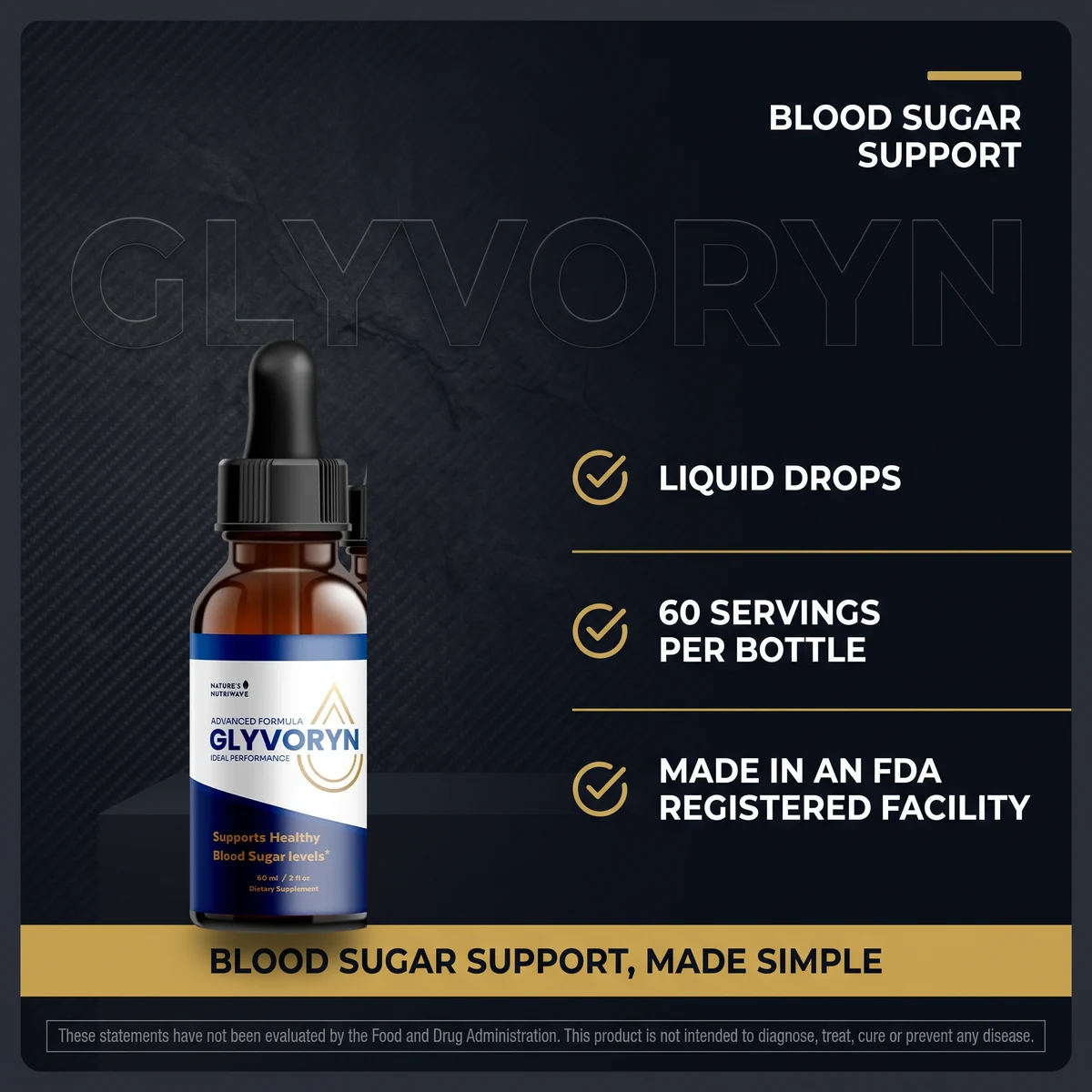
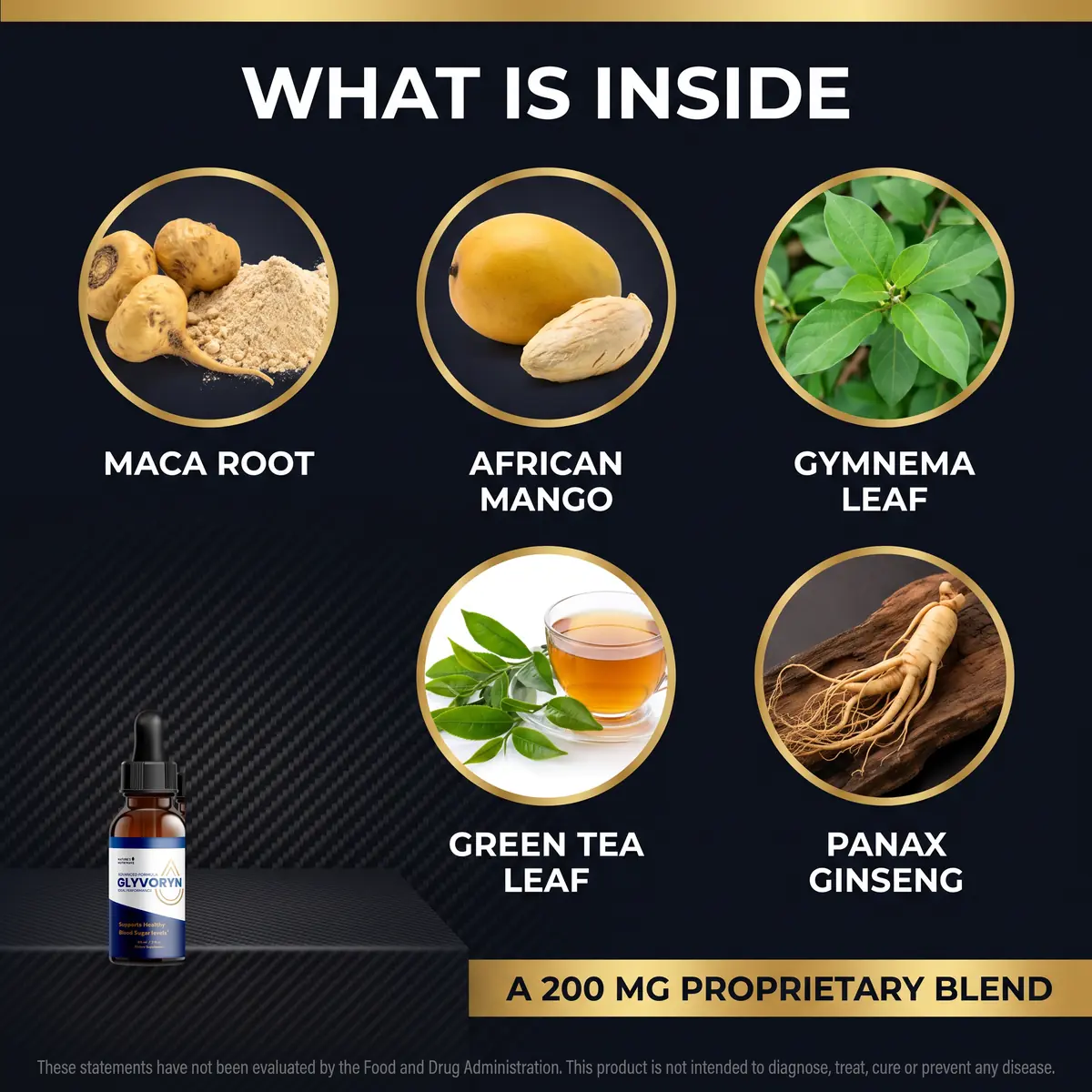
Inside Glyvoryn, panax ginseng is a supporting player and chromium is the metabolic anchor. Chromium is an essential trace mineral that contributes to normal macronutrient metabolism — the everyday processing of carbohydrates, fats and proteins. Around it sits a 200 mg botanical blend pairing the “sugar destroyer” gymnema with maca, African mango, green tea and panax ginseng, delivered as fast liquid drops rather than a capsule.
The logic of the blend is complementary: chromium and gymnema lead on the metabolic side while ginseng and maca lean toward energy and resilience. To understand the two lead ingredients in depth, see our companion guide on chromium and gymnema for blood sugar, or open the full ingredients section.
Get ginseng and chromium in one daily dropper
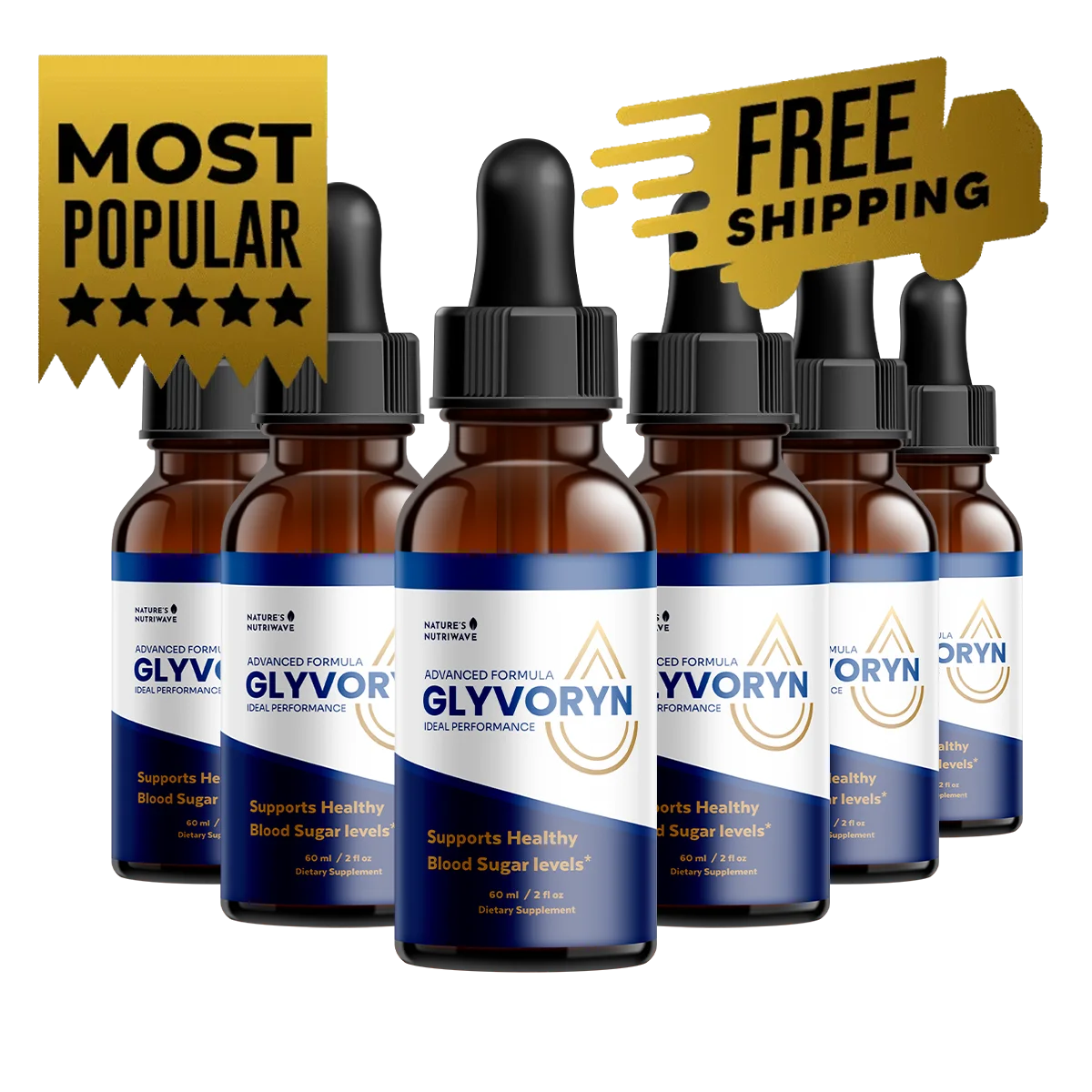
Glyvoryn brings panax ginseng together with chromium and the full botanical blend in a once-daily liquid. The six-bottle bundle is the best value at $49 per bottle, with free U.S. shipping and a 60-day guarantee.
Check today’s Glyvoryn pricing — from $49/bottleIs panax ginseng safe, and who should be careful?
Panax ginseng is widely used and generally well tolerated for short-term use, but it is not right for everyone. It may add to the effect of glucose-lowering medication and can interact with blood thinners such as warfarin. Some people find it affects sleep if taken late in the day, and it is not recommended during pregnancy or breastfeeding without medical guidance.
The sensible rule applies to the whole formula: a supplement supports a healthy routine, it does not replace medical care. If you take any prescription medicine — especially for blood sugar — are pregnant or nursing, are under 18, or manage a diagnosed condition, talk to your doctor before adding any ginseng-containing product like Glyvoryn.
What are the common panax ginseng benefits people look for?
The panax ginseng benefits most people are chasing cluster around energy and resilience: steadier daytime stamina, a smoother response to stress, and general vitality, with metabolic wellness a secondary interest. Frame these as traditional, general uses rather than guaranteed outcomes — evidence is strongest for its long history and plausibility, thinner for any specific, measurable promise. Realistic expectations and consistency matter more than any single dose.

How should you use ginseng in a daily routine?
The best way to use a ginseng-containing supplement is consistently, at the same time each day. Adaptogens are traditionally taken as a steady daily practice rather than an as-needed pick-me-up, and earlier in the day is often preferred so it does not compete with sleep. For Glyvoryn, that means one or two droppers full, shaken and swallowed, ideally in the morning.
- Take it at a fixed time — morning suits ginseng’s energizing reputation and protects sleep.
- Pair it with real habits — fibre-first meals, a post-meal walk, regular sleep.
- Give it weeks, not days — adaptogen support is gradual.
- Keep a steady supply so running out mid-routine does not break your consistency.
For the fuller lifestyle picture, our guide to supporting healthy blood sugar naturally shows where a botanical like ginseng fits among diet, movement and sleep.
Frequently asked questions
What is panax ginseng used for?
Panax ginseng, also called Asian or Korean ginseng, is an adaptogen traditionally used to support resilience to everyday stress, steady energy and general vitality. In blood-sugar formulas like Glyvoryn it is included for its long history as a metabolic tonic, not as a treatment for any condition.
Does panax ginseng help blood sugar?
Panax ginseng has been studied in the context of glucose metabolism, and some small trials report modest effects on fasting glucose, but the evidence is mixed and not conclusive. It is best viewed as one supporting ingredient in a routine, alongside diet, movement and the chromium base in Glyvoryn, rather than a stand-alone answer.
What is the difference between panax ginseng and American ginseng?
Panax ginseng (Asian ginseng) is considered more warming and stimulating and is the classic energy adaptogen, while American ginseng (Panax quinquefolius) is regarded as more cooling and calming. They share ginsenoside compounds but are used differently in tradition. Glyvoryn uses panax ginseng for its energizing reputation.
How much panax ginseng is in Glyvoryn?
Glyvoryn pairs chromium with a 200 mg proprietary botanical blend that includes panax ginseng along with gymnema, maca, African mango and green tea. Because it is a proprietary blend, the exact per-ingredient milligrams are not broken out on the label; check the current supplement facts on the product page for details.
Is panax ginseng safe to take every day?
Panax ginseng is widely used and generally well tolerated for short periods, but it can interact with blood-sugar and blood-thinning medications and may affect sleep in sensitive people. Anyone who is pregnant, nursing, on medication or managing a health condition should talk to a doctor before daily use.
Will panax ginseng give me energy like caffeine?
Not in the same way. Panax ginseng is an adaptogen rather than a stimulant, so its traditional reputation is for steadier, less jittery energy and resilience over time rather than a sharp caffeine-style spike. Effects are gradual and individual results vary.
Try Glyvoryn risk-free for 60 days →
Glyvoryn is a dietary supplement, not a treatment for any medical condition. These statements have not been evaluated by the Food and Drug Administration. This product is not intended to diagnose, treat, cure or prevent any disease. Always consult a qualified healthcare professional about your individual needs.
References & further reading
- National Center for Complementary and Integrative Health (NCCIH). Asian Ginseng. nccih.nih.gov/health/asian-ginseng
- National Institutes of Health, MedlinePlus. Ginseng. medlineplus.gov/druginfo/natural/1000.html
- Examine.com. Panax ginseng — evidence-based summary. examine.com/supplements/panax-ginseng
- National Institutes of Health, Office of Dietary Supplements. Chromium — Fact Sheet for Health Professionals. ods.od.nih.gov/factsheets/Chromium-HealthProfessional
- Shishtar E, et al. The effect of ginseng (the genus Panax) on glycemic control: a systematic review and meta-analysis of randomized controlled clinical trials. PLoS ONE, 2014. PMID 25265315
- Willcox ML, et al. Effectiveness of medicinal plants for glycaemic control in type 2 diabetes: an overview of meta-analyses of clinical trials. Frontiers in Pharmacology, 2021. PMID 34899340
- Brown AC. An overview of herb and dietary supplement efficacy, safety and government regulations in the United States with suggested improvements. Part 1 of 5 series. Food and Chemical Toxicology, 2017. PMID 27818322
These references describe the ingredients in general terms and do not constitute evidence that any product treats, cures or prevents any condition.
Keep reading: how chromium and gymnema work · the best foods to balance blood sugar · back to the Glyvoryn blog · homepage.