How to choose a blood sugar supplement: the Glyvoryn buyer’s checklist

Updated September 2026 · reviewed by the Glyvoryn Research Team. We are an independent information resource, not a medical provider, and this article is educational rather than medical advice.
To choose a blood sugar supplement, judge it against four things you can verify before you buy: the ingredients and their disclosed doses, the transparency of the label, the format you will actually take, and the strength of the guarantee. A good product names everything it contains, states how much of each you get, is made under recognised quality standards, and lets you return it if it is not right — and this guide scores each of those against what Glyvoryn offers. The framework you are buying inside is described in an overview of herb and dietary supplement efficacy, safety and United States government regulation (Brown, Food and Chemical Toxicology, 2017).
How to pick a blood sugar supplement without the guesswork.
- Read the label first
- Look for named ingredients at stated milligram doses, not a mystery “proprietary blend” that hides the amounts.
- Check the evidence
- Favour nutrients with a real research trail — chromium, gymnema, green tea — over exotic names with none.
- Mind the manufacturing
- Prefer GMP-certified, made-in-USA, non-GMO products with clear allergen information.
- Demand a guarantee
- A genuine money-back window (Glyvoryn offers 60 days) is the sign of a company that stands behind the formula.
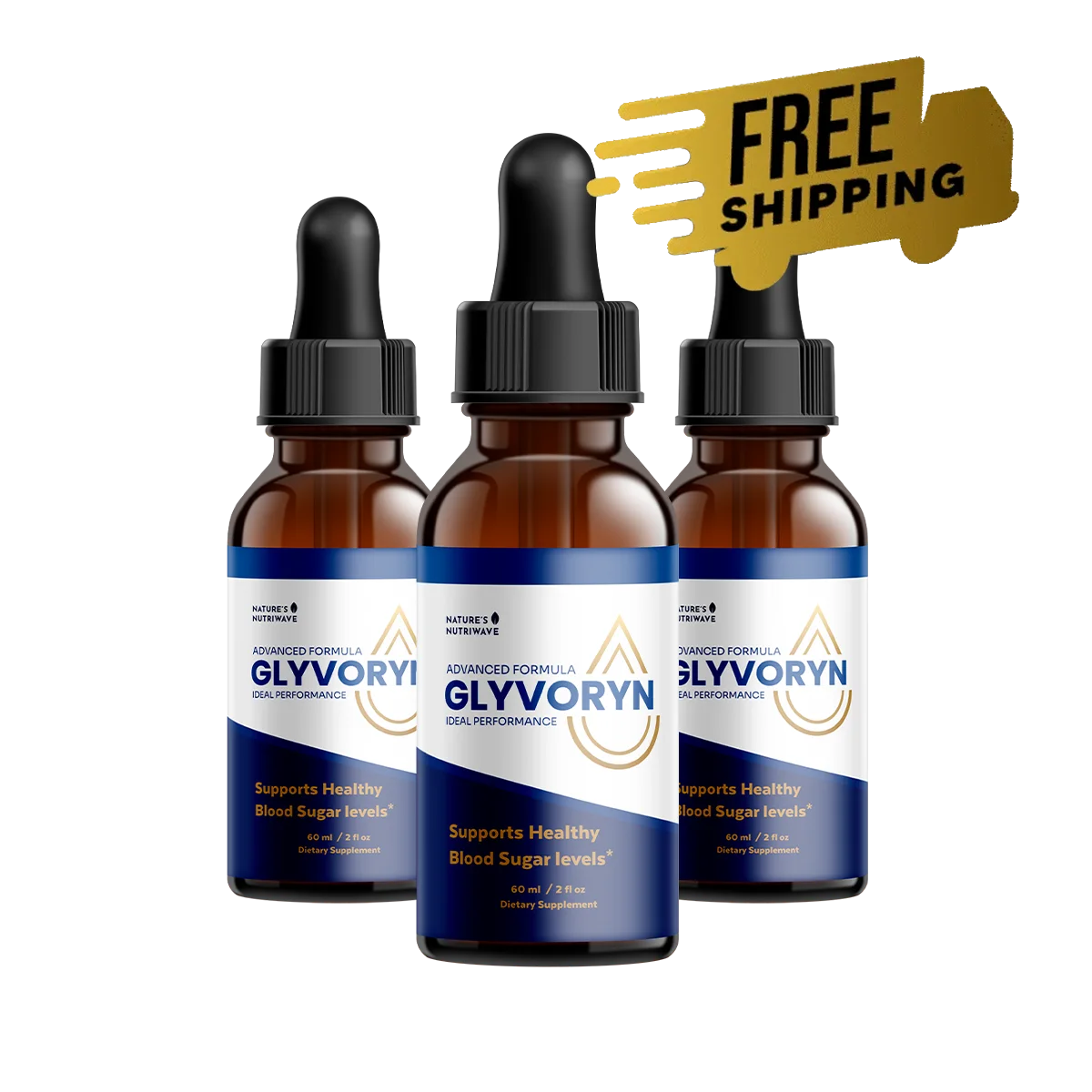
The blood-sugar aisle is crowded, and most bottles make the same promises in the same friendly typeface. That makes it hard to tell a carefully dosed formula from an under-filled one riding on marketing. The good news is that you can separate them in a few minutes with a fixed checklist, applied the same way to every product. Below we walk through that checklist step by step, then score Glyvoryn against it so you can see the method in action rather than take our word for it.
What makes a good blood sugar supplement?
A good blood sugar supplement is one that is honest about what it contains, uses ingredients with a plausible mechanism and a research trail, is manufactured to recognised quality standards, and is sold with terms that let you change your mind. Notice what is not on that list: dramatic before-and-after promises, a claim to lower or normalise a diagnosed condition, or a wall of testimonials. A supplement is meant to support blood sugar that is already within a normal range, alongside diet and activity — it is not a medicine, and any product marketed as a cure has already failed the first test. Ingredient authenticity is not a hypothetical concern, as a 2024 review of the extent of herbal adulteration makes clear (Orhan et al., Natural Product Reports, 2024).
With that framing set, the rest of this guide turns each criterion into something you can actually check on the bottle or the sales page. We will start where it matters most: the label.
How do you read a blood sugar supplement label?
Reading a supplement label means finding the Supplement Facts panel and confirming that every active ingredient is named, dosed in milligrams, and listed with a serving size you can compare to research — before any marketing copy influences you. The panel, not the front of the bottle, is where the truth lives.
Does it name every ingredient and its dose?
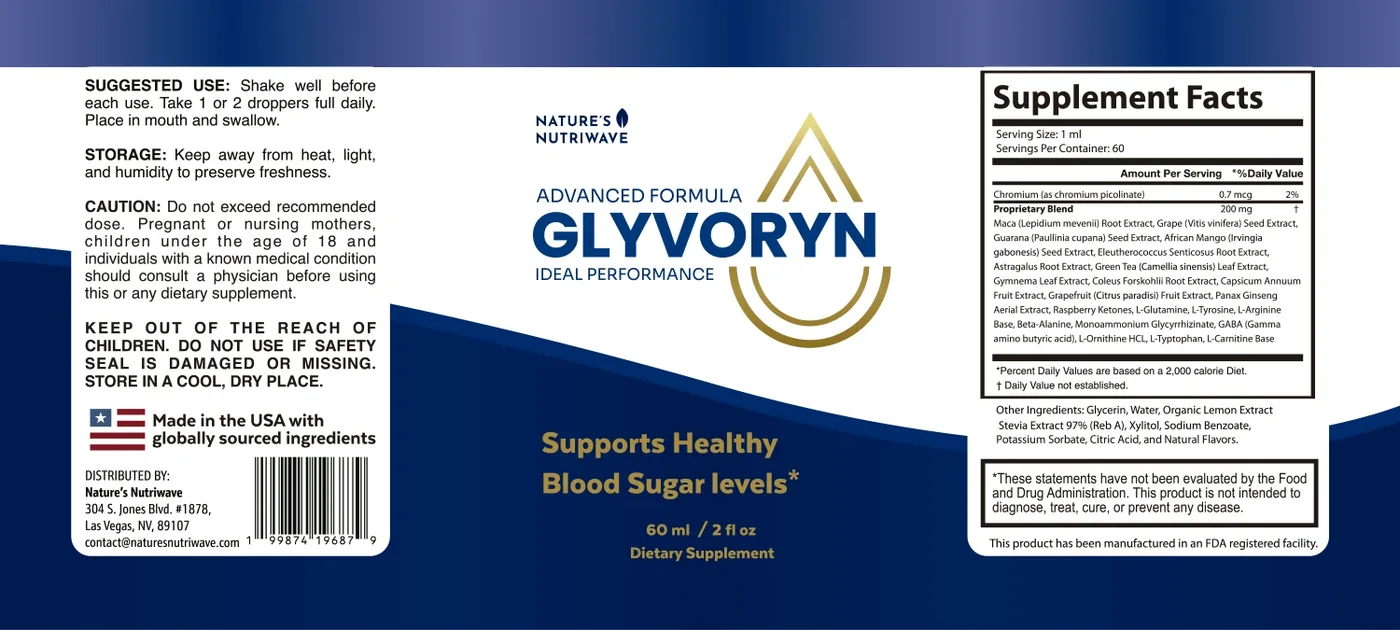
The single most useful habit is to check whether each active ingredient shows its own amount. A label that says “Chromium 200 mcg” and “Gymnema leaf 100 mg” is telling you exactly what you are buying, which lets you compare those numbers to the amounts used in published research. Serving size and servings per container matter too: a bottle that looks cheap can be expensive per serving if a “dose” is three droppers or four capsules.
Is the botanical blend a proprietary black box?
A proprietary blend lists several ingredients under one combined weight — for example “Metabolic Blend 500 mg” — without telling you how much of each is inside. It is legal and not automatically unsafe, but it makes value impossible to judge, because the blend could be almost entirely the cheapest filler ingredient. Wherever you can, choose products that disclose each amount. When a blend total is given, look for the individual ingredients to at least be listed in order of weight, and treat the number as a ceiling, not a promise. The wider version of that question sits in do blood sugar supplements really work.
Which ingredients actually have evidence behind them?
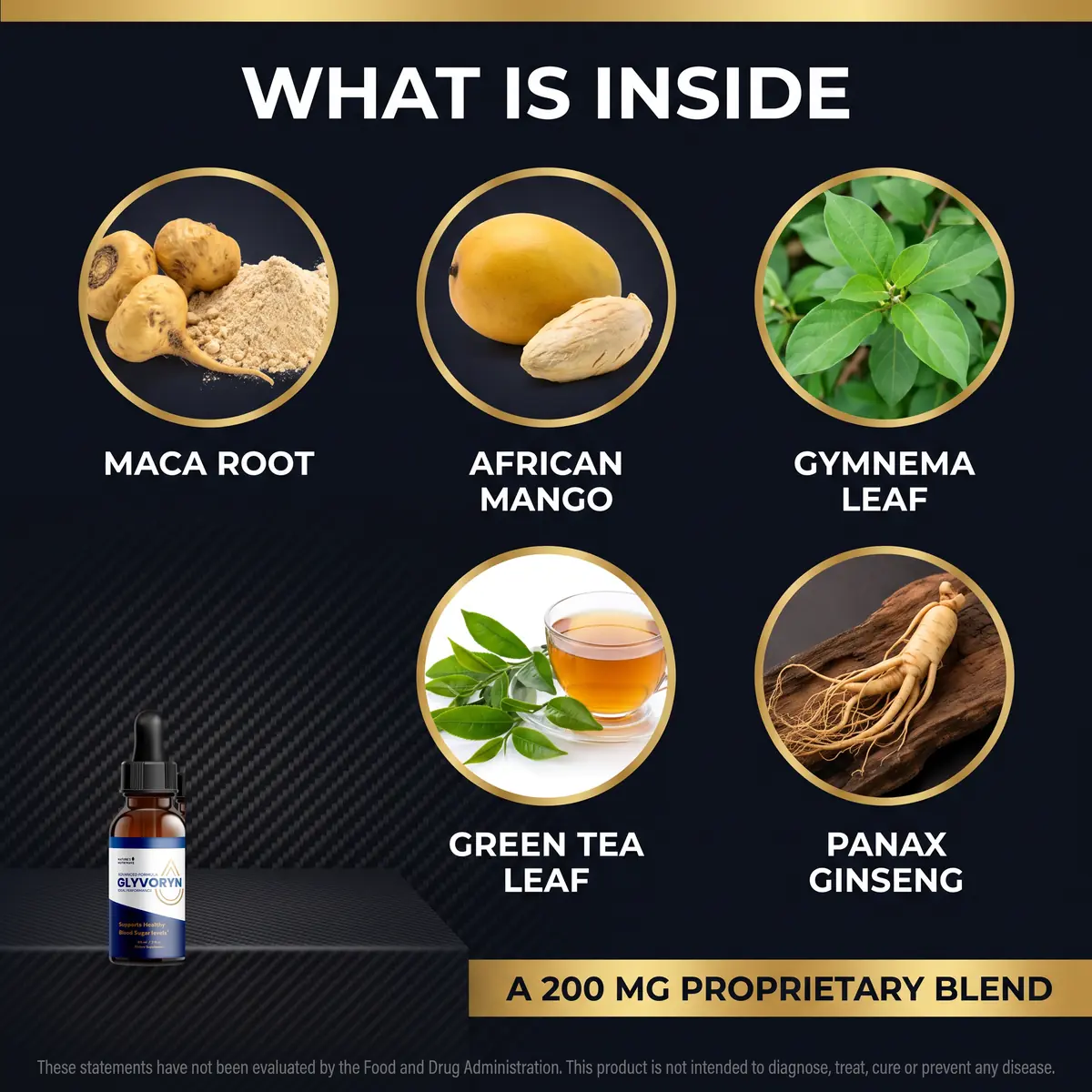
An evidence-backed blood-sugar ingredient is one that a public health body or an independent review has studied for a plausible metabolic role — even if the research is early — rather than a name borrowed from folklore with nothing behind it. The table below summarises the best-known ingredients and how strong the case for each really is, so you can weigh them honestly. For the ingredient claims themselves, an overview of meta-analyses of medicinal plants for glycaemic control is the fastest sanity check (Willcox et al., Frontiers in Pharmacology, 2021).
| Ingredient | Why it appears in formulas | How strong is the evidence? |
|---|---|---|
| Chromium | Essential trace mineral | Moderate for its role in normal macronutrient metabolism; genuine deficiency is uncommon, so benefits are modest and individual. |
| Gymnema sylvestre | Ayurvedic botanical (“sugar destroyer”) | Among the more studied herbs for blood-sugar wellness, but trials are small; promising rather than proven. |
| Green tea extract | Polyphenol source | Well studied for general metabolic wellness and antioxidants; effects on glucose are supportive, not dramatic. |
| African mango | Fibre-rich seed | Limited, early evidence; mostly valued for fibre and appetite context rather than direct glucose effects. |
| Panax ginseng | Adaptogen | Traditional energy tonic with mixed research; treat energy and metabolic claims cautiously. |
The pattern is important: for supplement ingredients the honest word is usually “supportive” or “promising,” not “proven to lower blood sugar.” A brand that says as much is being straight with you. For a deeper look at two of the most-discussed ingredients, see our comparison of gymnema versus berberine, and our guide to how chromium and gymnema work together.
See the exact dose in Glyvoryn →
Does the format — liquid or pill — matter?
The format of a blood sugar supplement mainly affects convenience and adherence, not whether it works: the best format is the one you will remember to take every day. Capsules are pre-measured and portable; liquid drops let you fine-tune the dose, tend to be easy for people who dislike swallowing pills, and often contain fewer binders and fillers. Neither is magic, and any claim that a particular format is “absorbed 10× better” deserves scepticism unless it is backed by data.
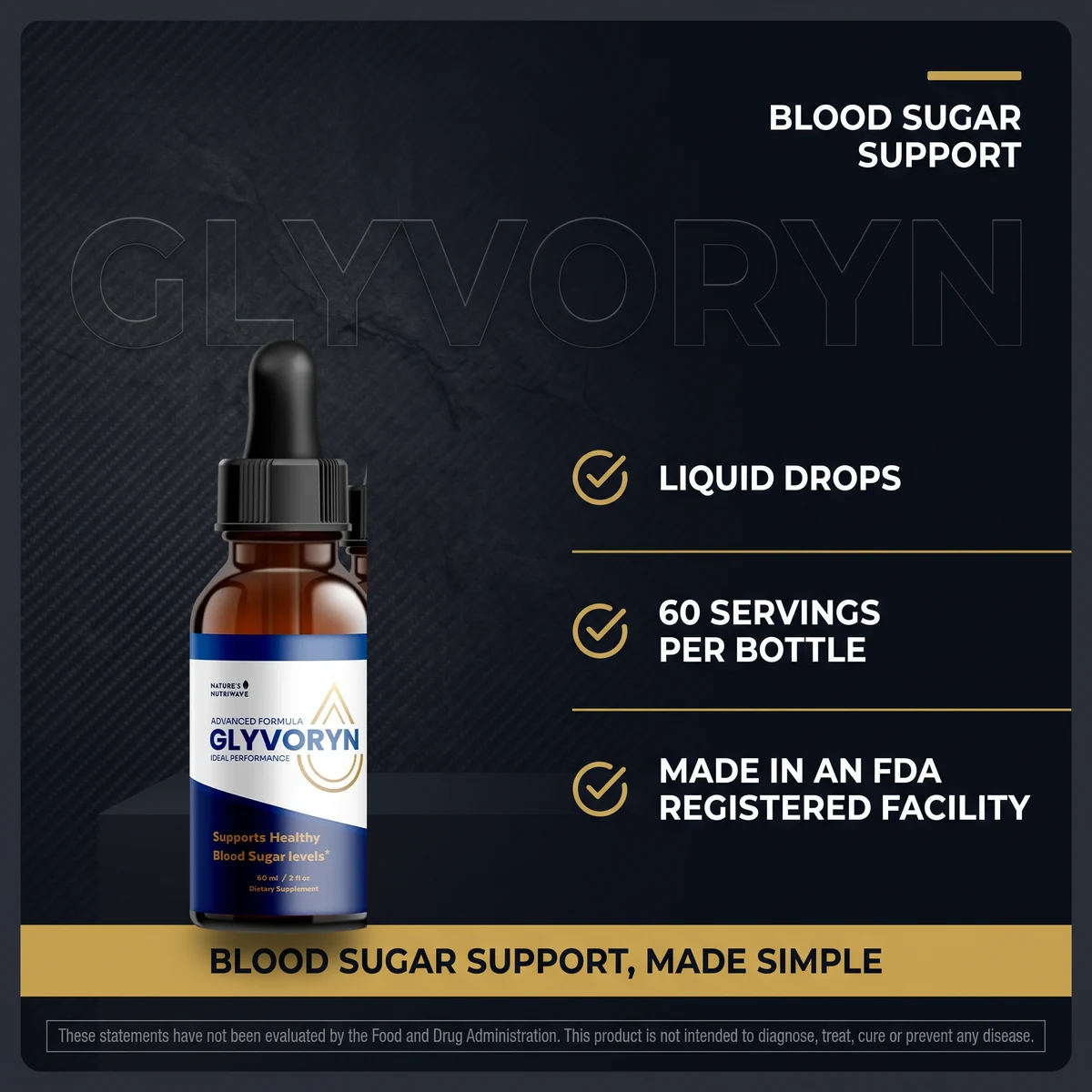
Glyvoryn is a liquid dropper you shake and take once a day, which some people find easier to stick with than a multi-capsule regimen. If you want the trade-offs in more depth, we compared the two directly in liquid versus pill blood sugar support.
What about dose transparency, quality and safety?
Dose transparency means the label tells you how much of each active ingredient you get per serving, and quality means the product is made somewhere that follows recognised manufacturing rules. In the United States, look for manufacturing in a GMP-certified (Good Manufacturing Practice) facility, made-in-USA sourcing, non-GMO status, and clear allergen labelling. Third-party testing — where an outside lab verifies identity and purity — is a strong bonus when a brand offers it. None of these guarantee results, but together they show a company willing to be held to a standard.
Safety is the flip side of the same coin. The honest limitation of nearly every botanical blood-sugar supplement is that the human trials are small and the effects gentle, and anyone taking glucose-lowering medication should speak to a doctor first because combining them can push blood sugar too low. A trustworthy brand states this plainly instead of hiding it.
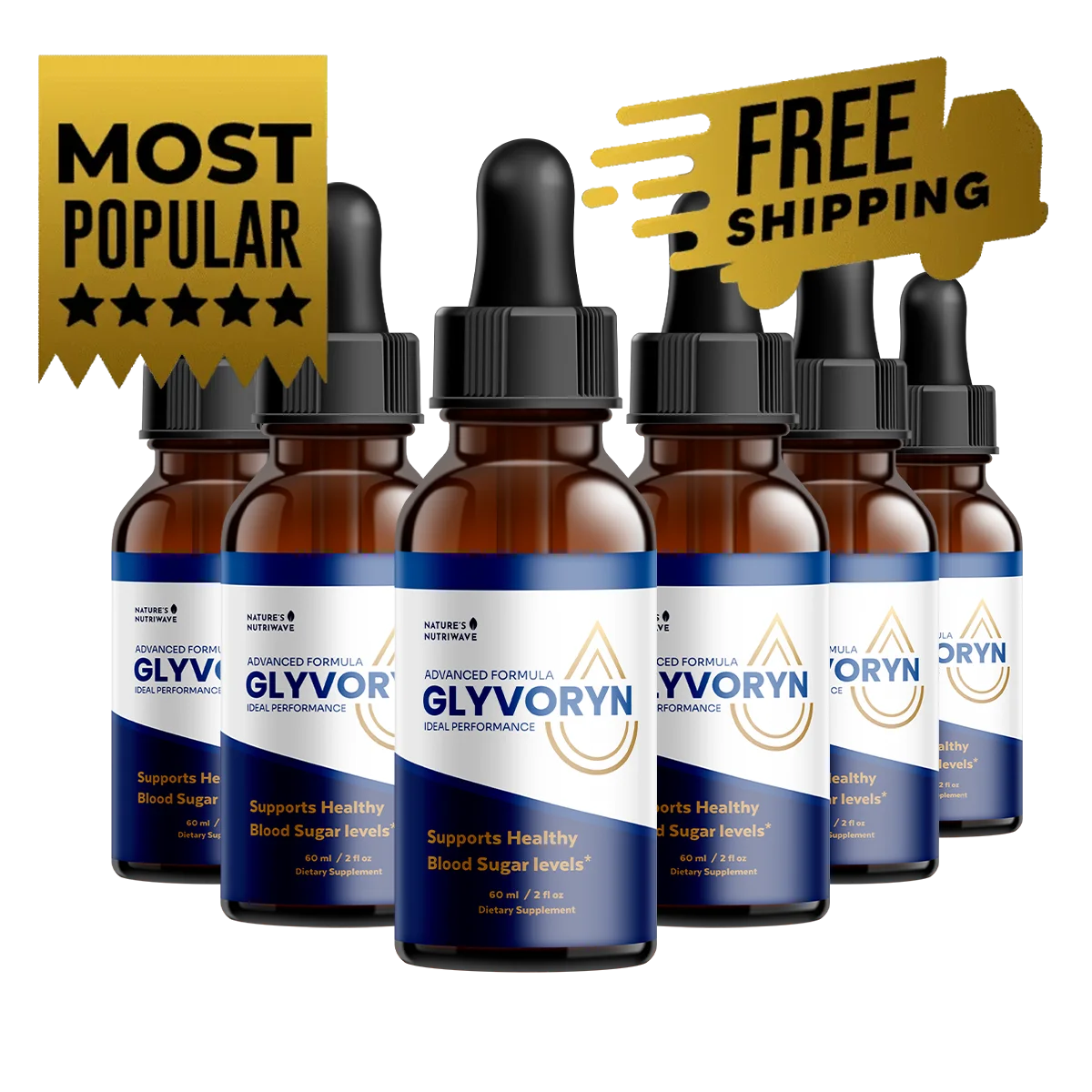
Check today’s Glyvoryn pricing
Glyvoryn discloses its chromium dose plus a 200 mg botanical blend, is made in a GMP-certified US facility, and ships with a 60-day guarantee. The six-bottle bundle is the best value at $49 per bottle with free U.S. shipping.
Check today’s Glyvoryn pricing — from $49/bottleThe 8-point checklist, scored against Glyvoryn
A buying checklist turns all of the above into a yes-or-no score you can apply to any bottle in the same two minutes. Run every product you are considering through these eight questions, then compare the totals. Below we have filled in the column for Glyvoryn as a worked example — do the same for whatever else is on your shortlist.
| # | What to check | What “good” looks like | Glyvoryn |
|---|---|---|---|
| 1 | Named ingredients | Every active ingredient listed by name | Yes — chromium plus five named botanicals |
| 2 | Disclosed doses | Milligram amount for each ingredient | Chromium dosed; 200 mg botanical blend stated |
| 3 | Evidence trail | Ingredients with real research behind them | Chromium, gymnema, green tea all studied |
| 4 | Sensible format | A form you will take daily | Once-daily liquid dropper |
| 5 | Quality standards | GMP, made-in-USA, non-GMO | GMP-certified US facility, non-GMO |
| 6 | Allergen clarity | Dairy-, gluten-free info shown | Dairy-free, gluten-free labelling |
| 7 | Fair price | Roughly $40–$70/bottle, bundle discounts | From $49/bottle on the six-bottle pack |
| 8 | Real guarantee | A genuine money-back window | 60-day money-back guarantee |
No supplement is a magic bullet, and this checklist deliberately rewards transparency and standards rather than promises. Score your shortlist the same way and you will usually find that the honest, fully disclosed products cluster at the top — which is exactly where you want to buy from. You can cross-check the full ingredients section and the packages and pricing on the Glyvoryn homepage.
Price, guarantee, and the red flags to walk away from
A fair price for a blood sugar supplement is one that matches the disclosed doses and serving size, typically landing between roughly $40 and $70 per bottle for a one-month supply, with bundles bringing the per-bottle cost down. But price is the last question, not the first — a cheap bottle that hides its doses is not a bargain, and an expensive one with a proprietary black box is not premium. The red flags below are reasons to close the tab no matter how good the price looks.
- Disease claims. Any promise to lower, treat, reverse or cure diabetes or blood sugar as a condition is a compliance red flag and often a legal one.
- Hidden doses. A proprietary blend with no individual amounts means you cannot judge value at all.
- No guarantee. If a company will not stand behind its formula with a refund window, that tells you something.
- Fake urgency and fake reviews. Countdown timers that reset and identical five-star testimonials are marketing, not evidence.
- No manufacturing information. No GMP, no country of origin, no allergen data — walk away.

When should you talk to a doctor before buying?
You should talk to a doctor before starting any blood sugar supplement if you take medication or have a diagnosed condition, because supplements can interact with treatment. Speak with a healthcare professional if you are pregnant or nursing, under 18, take any glucose-lowering medicine, or notice persistent symptoms such as excessive thirst, frequent urination, unexplained weight change or ongoing fatigue. Supporting blood sugar that is already within a normal range is what these products are for; anything beyond that belongs with your care team, and a short conversation ensures whatever you add fits safely. How it stacks up against the rest of the shelf is assessed in is Glyvoryn the best blood sugar supplement.
Frequently asked questions
How do you choose a blood sugar supplement?
Read the label first: look for named ingredients at disclosed doses, a form your body can use, third-party or GMP-certified manufacturing, and a real money-back guarantee. Match those against the price and skip anything that hides its doses inside a proprietary blend or promises to cure a disease.
What should you check on a blood sugar supplement label?
Check the Supplement Facts panel for every active ingredient and its milligram dose, the serving size and servings per container, the form of each nutrient, any allergen or filler warnings, and the manufacturer’s certifications. A label that names everything at a stated dose is more trustworthy than one that hides amounts.
Are proprietary blends a red flag on blood sugar supplements?
A proprietary blend lists a combined total for several ingredients without telling you how much of each you are getting, so you cannot compare it to the doses used in research. It is not automatically unsafe, but it makes value impossible to judge, which is why fully disclosed labels are preferable.
Does the format — liquid or pill — matter for a blood sugar supplement?
Format mainly affects convenience and adherence rather than being inherently superior. Liquid drops let you adjust the dose and are easy for people who dislike swallowing capsules, while pills are portable and pre-measured. The best format is the one you will actually take every day.
How much should a good blood sugar supplement cost?
Most reputable blood-sugar formulas land between roughly 40 and 70 dollars per bottle for a one-month supply, with multi-bottle bundles lowering the per-bottle price. Judge cost against disclosed doses and serving size rather than the sticker alone, since a cheap under-dosed product is not a bargain.
Does Glyvoryn come with a money-back guarantee?
Glyvoryn is sold with a 60-day money-back guarantee, so you can try it and request a refund within that window if it is not right for you. A clear guarantee is one of the buyer-friendly signals to look for on any supplement you consider.
Run the checklist on Glyvoryn — try it risk-free for 60 days →
Glyvoryn is a dietary supplement, not a treatment for any medical condition. These statements have not been evaluated by the Food and Drug Administration. This product is not intended to diagnose, treat, cure or prevent any disease. Always consult a qualified healthcare professional about your individual needs.
References & further reading
- National Institutes of Health, Office of Dietary Supplements. Dietary Supplements: What You Need to Know. ods.od.nih.gov/factsheets/WYNTK-Consumer
- National Institutes of Health, Office of Dietary Supplements. Chromium — Fact Sheet for Health Professionals. ods.od.nih.gov/factsheets/Chromium-HealthProfessional
- National Center for Complementary and Integrative Health (NCCIH). Diabetes and Dietary Supplements. nccih.nih.gov/health/diabetes-and-dietary-supplements
- U.S. Food & Drug Administration. Questions and Answers on Dietary Supplements. fda.gov/food/information-consumers-using-dietary-supplements
- Mayo Clinic. Dietary supplements: Do they help or hurt? mayoclinic.org/healthy-lifestyle/nutrition-and-healthy-eating
- Examine.com. Gymnema sylvestre — evidence-based summary. examine.com/supplements/gymnema-sylvestre
- Brown AC. An overview of herb and dietary supplement efficacy, safety and government regulations in the United States with suggested improvements. Part 1 of 5 series. Food and Chemical Toxicology, 2017. PMID 27818322
- Orhan N, et al. Estimating the extent of adulteration of the popular herbs black cohosh, echinacea, elder berry, ginkgo, and turmeric — its challenges and limitations. Natural Product Reports, 2024. PMID 39108221
- Willcox ML, et al. Effectiveness of medicinal plants for glycaemic control in type 2 diabetes: an overview of meta-analyses of clinical trials. Frontiers in Pharmacology, 2021. PMID 34899340
These references describe supplements and ingredients in general terms and do not constitute evidence that any product treats, cures or prevents any condition.
Keep reading: how to support healthy blood sugar naturally · liquid vs pill blood sugar support · the full Glyvoryn review · back to the Glyvoryn blog.