✅ Reviewed by the Glyvoryn Research Team|Independent blood-sugar & nutrition research|Updated September 2026|Fact-checked
Official website · Blood sugar support · Liquid drops

Glyvoryn Official Website — blood sugar support in liquid drops, not capsules or gummies

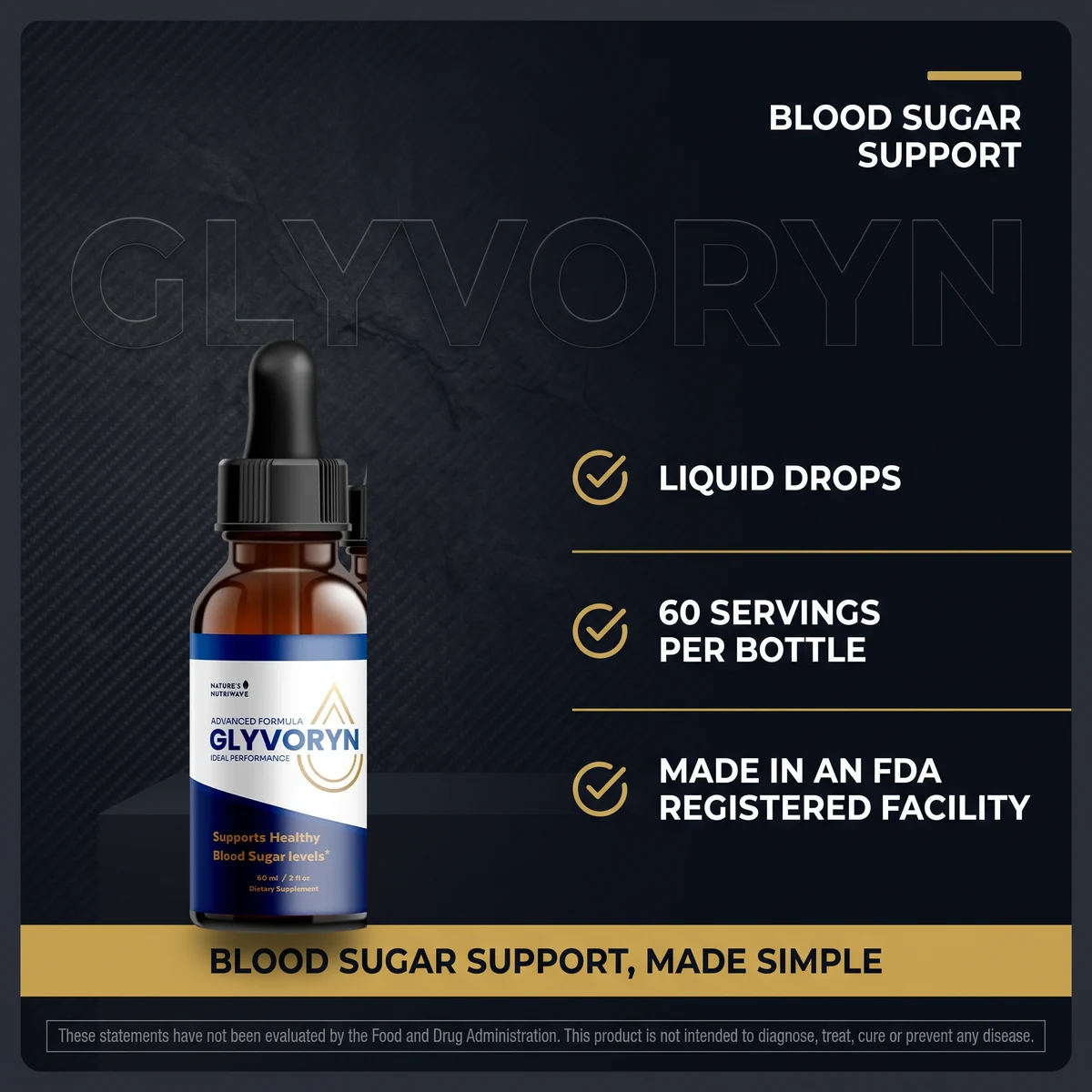
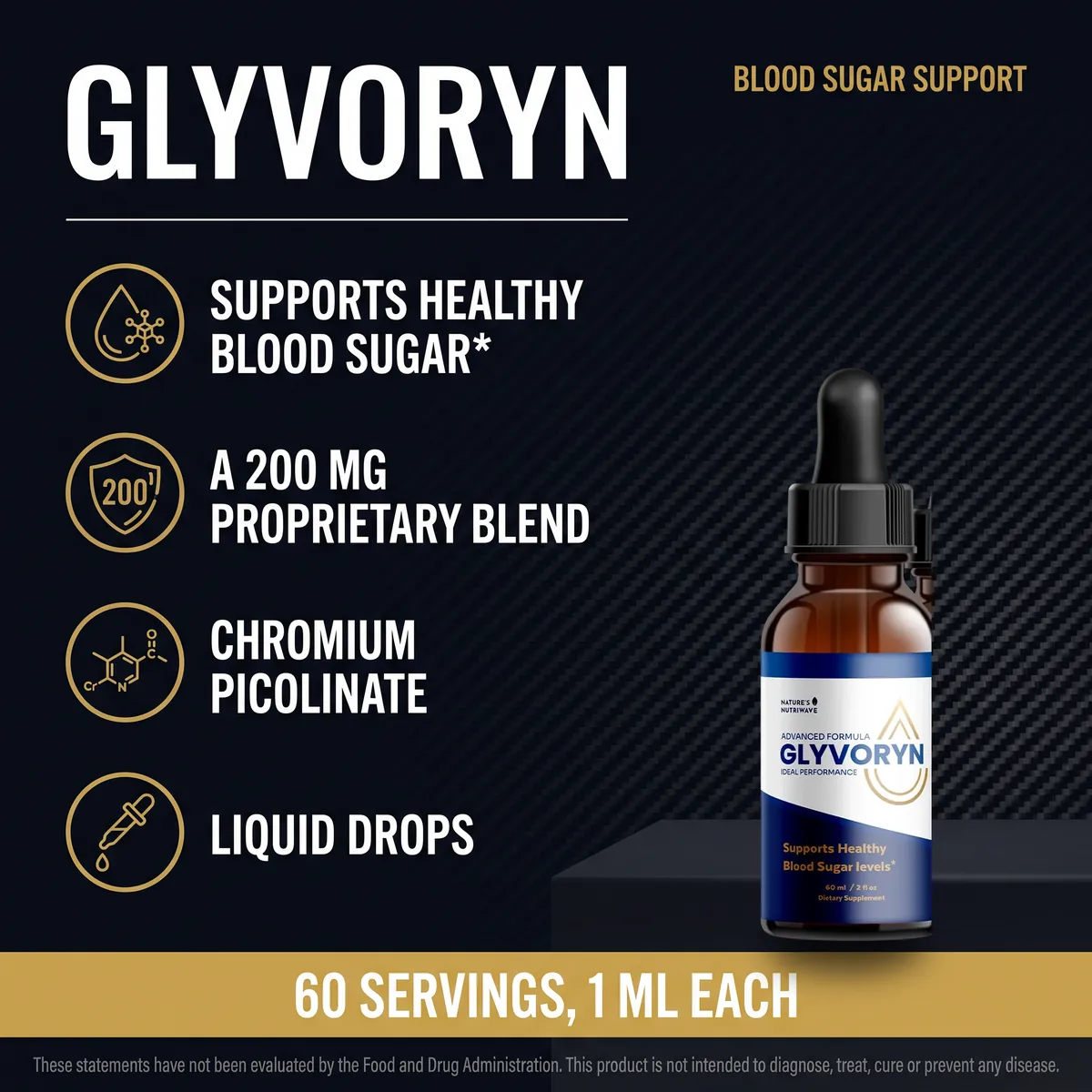
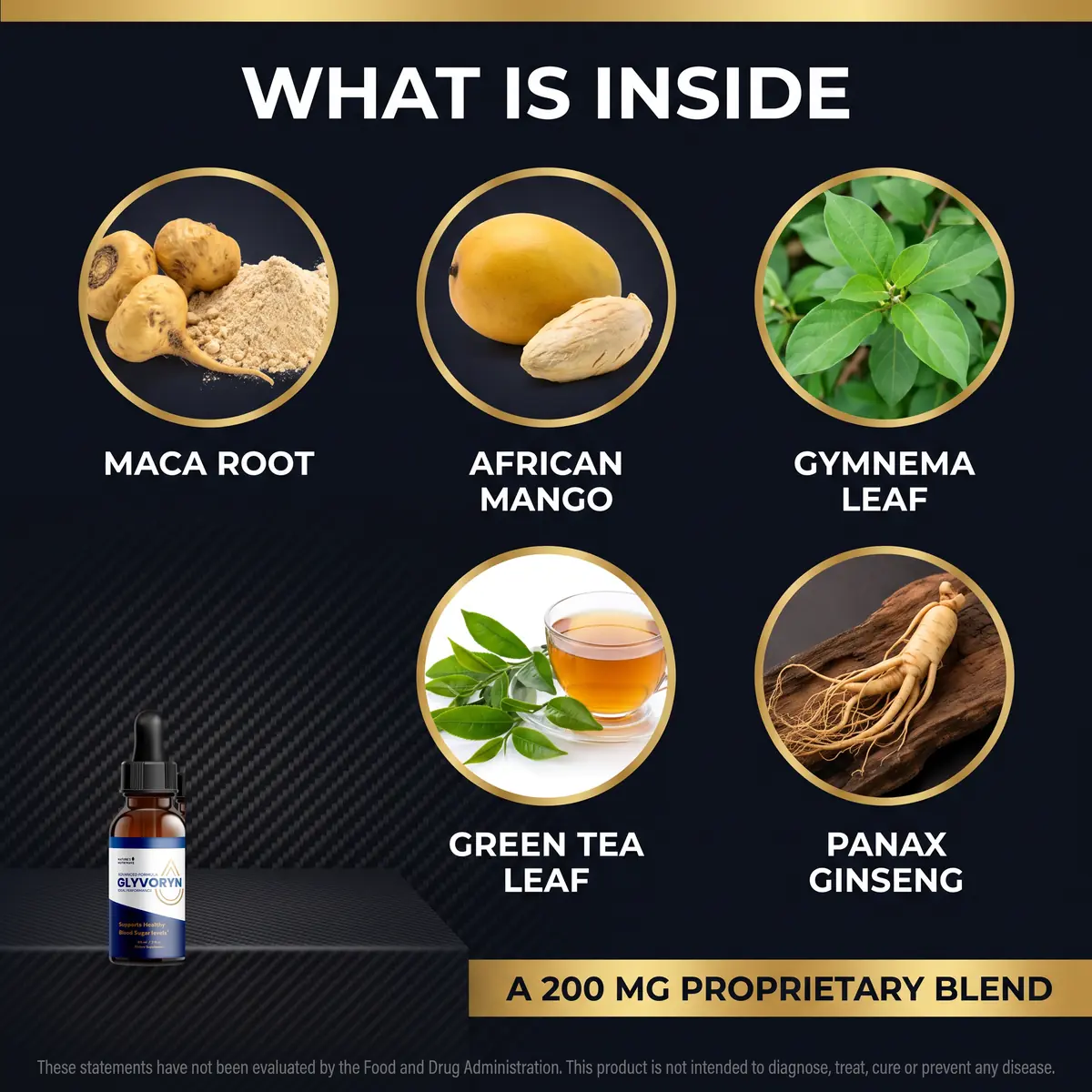
Glyvoryn is a blood sugar support supplement sold as liquid drops rather than capsules: one 1 ml dropper delivers 0.7 mcg of chromium as chromium picolinate plus a 200 mg proprietary blend led by gymnema, maca, African mango, green tea and panax ginseng, and a 60 ml bottle holds 60 servings. This page is the official website guide to what is on that label, what each package costs, and what the published research on those ingredients does and does not show.

Made in an FDA-registered facility · Non-GMO · 60-day money-back guarantee

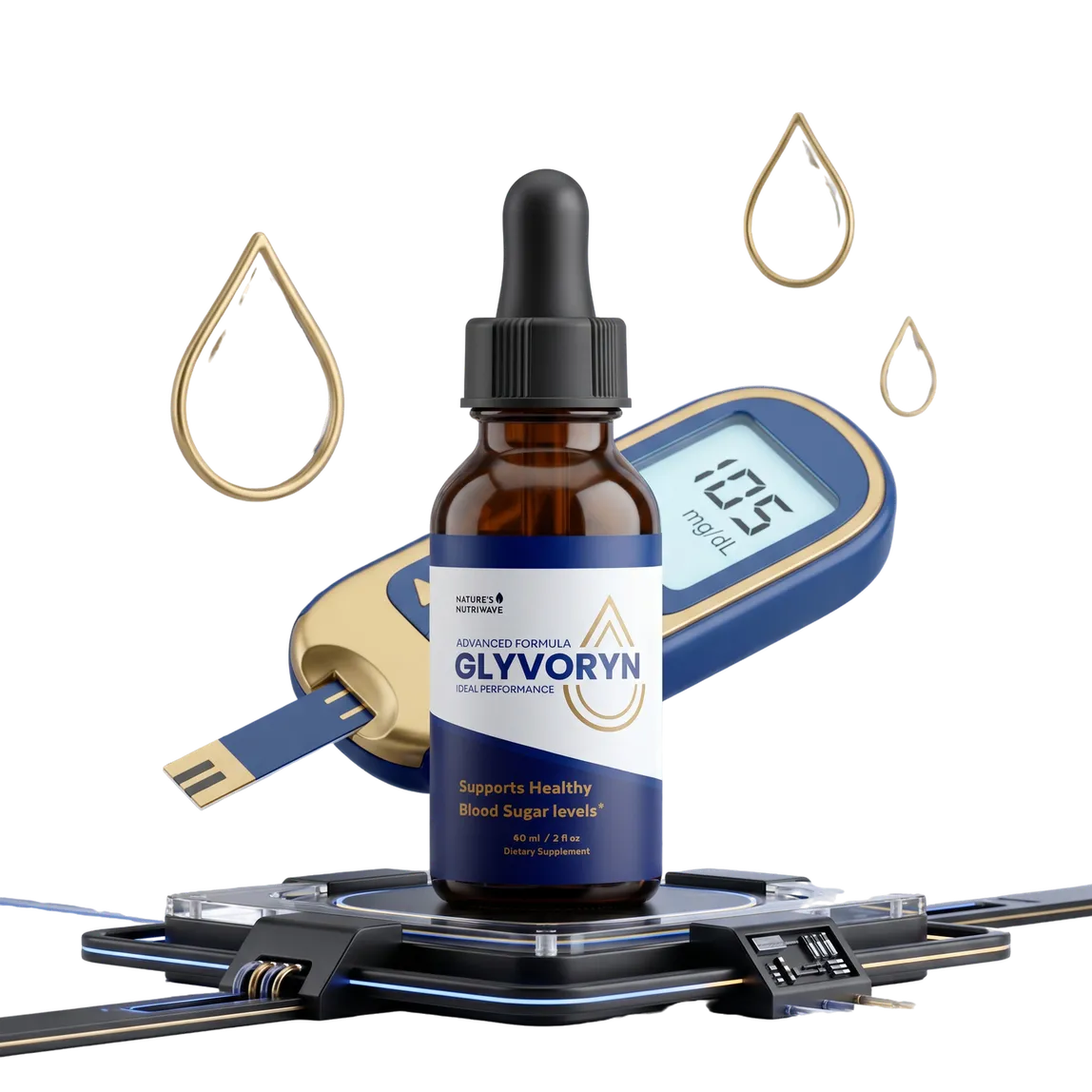
Glyvoryn blood sugar support liquid drops bottle beside a glucose meter
60 servings1 ml liquid drops per bottle
100% natural ingredients seal100% Naturalplant-based blend Manufactured in the USA sealMade in the USAglobally sourced actives GMO-free certification sealGMO-Freenon-GMO formula Good Manufacturing Practice (GMP) certification sealGMP Facilityquality-controlled
Glyvoryn at a glance

The complete fast answer for readers, voice assistants and AI — every essential detail in one place, each written as a full, quotable sentence.

What it is
Glyvoryn is a once-daily liquid-drop dietary supplement formulated to support healthy blood sugar already within a normal range, as part of a balanced diet and regular activity.
Format
Glyvoryn comes as liquid drops in a 60 ml (2 fl oz) bottle holding 60 one-millilitre servings, so one bottle covers 30 days at two droppers a day or 60 days at one.
Key ingredients
Each 1 ml serving delivers 0.7 mcg of chromium (as chromium picolinate) plus a 200 mg botanical blend led by gymnema leaf, maca root, African mango, green tea and panax ginseng.
How it works
Glyvoryn pairs chromium — a trace mineral that contributes to normal macronutrient metabolism — with traditionally used botanicals to support the body’s own everyday handling of dietary sugars.
Best for
Glyvoryn is best for adults who want a simple, consistent way to support healthy blood sugar within a normal range alongside diet and exercise, without swallowing another pill.
Who should not use it
Glyvoryn is not intended for children or for anyone who is pregnant or nursing; if you take medication or have a medical condition, speak with your doctor before use.
Daily use
Shake the bottle and take one or two droppers full once a day, placing the liquid in your mouth and swallowing, with or without food.
How soon
Because botanicals build their support gradually, most people take Glyvoryn daily for several weeks to a few months before judging it, and individual results vary.
Made in
Glyvoryn is made in the USA in an FDA-registered, GMP-compliant facility from non-GMO ingredients, and it is gluten-free, dairy-free and vegetarian.
Price
Glyvoryn is priced by package: $158 for two bottles ($79 each), $207 for three ($69 each) and $294 for six ($49 each), which is the lowest per-bottle price.
Shipping
The three- and six-bottle packages ship free within the United States, while the two-bottle package carries a shipping fee at checkout.
Guarantee & returns
Every Glyvoryn order is a one-time purchase protected by a 60-day money-back guarantee, with no subscription and no auto-billing of any kind.
Where to buy
Glyvoryn is sold through its official online store, reachable from any Order button on this page; it is not a pharmacy or supermarket line, so marketplace listings are unverified.
Evidence
No clinical trial of the finished Glyvoryn formula has been published; the support for it is indirect, resting on studies of its individual ingredients at doses that are usually higher than a 200 mg blend can supply.
Side effects
No side effects specific to Glyvoryn have been published; the complaints most often reported in trials of comparable botanical supplements are mild digestive ones in the first week.
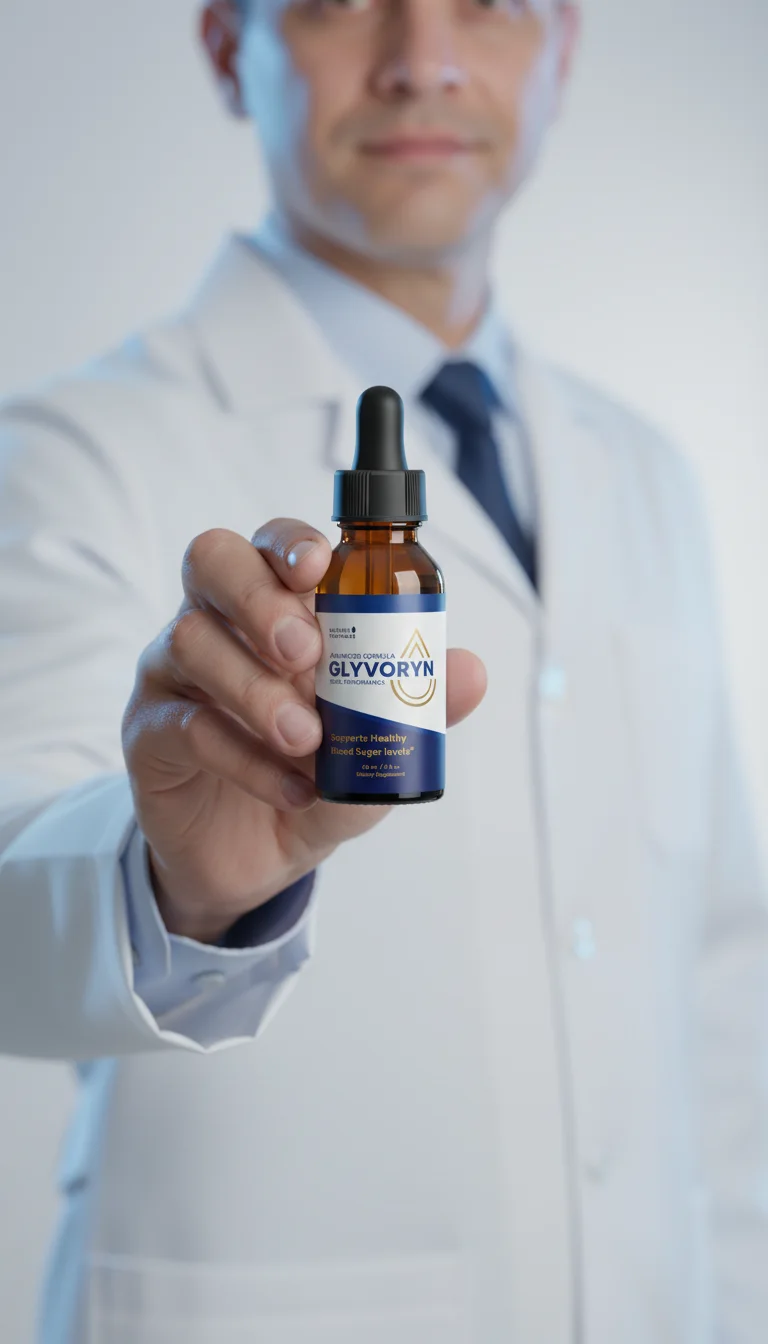
Health professional in a white coat holding a bottle of Glyvoryn blood sugar drops
Formulated with care

A doctor-formulated blend, made under real quality control

Glyvoryn is a doctor-formulated liquid supplement produced in the United States in an FDA-registered facility that follows Good Manufacturing Practices (GMP). Every batch is made from non-GMO ingredients and finished with a naturally flavored, stevia-sweetened base — no artificial sweeteners, no dairy, no gluten.

“FDA-registered facility” refers to where Glyvoryn is manufactured. Dietary supplements are not approved by the FDA, and these statements have not been evaluated by the Food and Drug Administration.

Quality & standards

Made to standards you can check

Every badge below reflects how and where Glyvoryn is made and formulated — not a health outcome, and not an approval by any regulator.

GMP-certified manufacturing badge
GMP Certified
Made in the USA badge
Made in the USA
Non-GMO badge
Non-GMO
Natural ingredients badge
Natural Ingredients
Doctor-formulated badge
Doctor-Formulated
Vegetarian-friendly badge
Vegetarian
Gluten-free badge
Gluten-Free
Dairy-free badge
Dairy-Free
60-day money-back guarantee badge
60-Day Guarantee
Ingredient research referenced from Publications cited for ingredient research: International Journal of Obesity, New England Journal of Medicine, Nature, The Boston Globe and the American Physiological Society

Logos denote publications referenced for general ingredient research and do not imply endorsement of Glyvoryn by these organizations.

60servings per bottle
23active ingredients
200 mgbotanical blend per serving
60day money-back guarantee

Figures describe the product and its guarantee. They are not claims about results, which vary from person to person.

Why Glyvoryn

Six practical reasons people choose the drops

Why choose Glyvoryn: liquid drops, 60 servings per bottle, made in an FDA-registered facility
Doctor-formulated seal

Doctor-formulated

Built by a formulation team and produced under GMP quality control.

Guaranteed-pure seal

Clean, pure blend

Non-GMO botanicals in a naturally flavored, stevia-sweetened base.

Naturally gluten-free seal

Gluten-free

No wheat or gluten — friendly for most everyday diets.

Dairy-free seal

Dairy-free

Contains no dairy, so it fits a wide range of lifestyles.

Vegetarian-friendly seal

Vegetarian

A plant-forward formula suited to vegetarian routines.

100% support guaranteed seal

100% support guarantee

Backed by a 60-day money-back guarantee — try it risk-free.

The problem

Modern life keeps blood sugar on a rollercoaster.

Refined carbohydrates, irregular meals, stress and a sedentary day all pull in the same direction: sharper spikes after eating and steeper crashes an hour or two later. Those swings are the familiar afternoon slump, the late-morning cravings, the restless energy that never quite settles. For most people the goal is not a dramatic intervention — it is simply steadier ground.

Blood sugar balance is the product of many small habits: what you eat, how you move, how you sleep. Nutrition can play a supporting role. Certain trace minerals and traditionally used botanicals have long been part of that conversation — chromium for its role in normal macronutrient metabolism, and plants such as gymnema and green tea used for generations in wellness traditions around the world.

Glyvoryn was built around that idea: a focused daily dropper that brings those well-studied nutrients together, then gets out of the way of your routine.

What follows is a plain-language look at what Glyvoryn is, how its formula is intended to work, exactly what is inside each serving, and the research those ingredients draw on — transcribed directly from the product’s Supplement Facts panel, with no claims to diagnose, treat, cure or prevent any disease.

Glyvoryn liquid drops supporting healthy blood sugar with a 200 mg proprietary blend
What it is

What is Glyvoryn?

Glyvoryn is a once-daily liquid dietary supplement for everyday blood sugar support. Rather than a capsule or powder, it comes as fast, convenient drops: you shake the bottle, take one or two droppers full, and swallow — no mixing, no measuring cups, no routine to overthink.

Inside each 1 ml serving is the trace mineral chromium together with a 200 mg proprietary blend of botanicals and supporting amino acids — gymnema leaf, maca root, African mango seed, green tea leaf, panax ginseng, astragalus, guarana and more — in a naturally flavored, stevia-sweetened base.

  • ✓ 60 servings per 2 fl oz (60 ml) bottle
  • ✓ Non-GMO · naturally flavored · stevia-sweetened
  • ✓ One or two droppers a day — the whole routine
Get Glyvoryn Today
Drops, capsules or gummies

Glyvoryn is liquid drops — there is no capsule or gummy version

Glyvoryn is sold in one dosage form only: a 60 ml amber bottle of flavoured liquid with a graduated glass dropper. There is no Glyvoryn capsule, tablet, gummy, powder, tea or patch, so any listing offering one is not this product.

The format matters less than the marketing suggests, and more than shoppers usually expect. What it genuinely changes is whether you take it at all. Roughly a fifth of adults report real difficulty swallowing solid oral doses, and that difficulty climbs with age — an observational study of oral solid medicines in older adults found acceptability fell sharply for larger tablets and capsules, particularly among people with any degree of dysphagia (Liu et al., International Journal of Pharmaceutics, 2016). A supplement that gets skipped three days a week does nothing at all, so if pills are a barrier for you, a dropper is not a gimmick.

What the format does not automatically buy you is absorption. Some of the promotional material around liquid blood-sugar drops implies sublingual delivery — holding the liquid under the tongue so the actives bypass the gut. Glyvoryn’s own printed directions say something more ordinary: “Place in mouth and swallow.” That is standard oral dosing. The liquid still travels through the stomach and small intestine like a capsule would; it simply arrives already dissolved, which removes the disintegration step rather than the digestion step.

A liquid also carries costs a capsule does not. To stay stable on a bathroom shelf it needs a preserved, sweetened base — here glycerin, water, sodium benzoate, potassium sorbate, citric acid, stevia and xylitol. And the volume of a dropper limits how much active you can physically carry: 1 ml of liquid holds 200 mg of extract in this formula, where a single large capsule routinely holds two to five times that. That constraint is the single most useful thing to understand about the product, and it is covered in full further down this page.

FormatWhat it changes
Liquid drops — what Glyvoryn isEasiest to take, dose adjustable by dropper, needs a preserved sweetened base, limited to a small active payload
CapsulesCarries the largest dose per unit, no sweetener or preservative needed, hardest to swallow, fixed dose
GummiesMost palatable, lowest active payload of all, adds sugar or sugar alcohols, heat-sensitive
Which suits blood sugar support?Whichever one you will actually take daily for three months

Comparison of dosage forms in general. It is not a claim that any format treats, cures or prevents disease.

Glyvoryn is made for ordinary days: adults watching their blood sugar alongside diet and exercise
Who it’s for

Made for ordinary days

Glyvoryn is designed for adults who want a simple, consistent way to support healthy blood sugar as part of everyday life — meals, grocery runs, daily walks and routine check-ups. It is a complement to a balanced diet and regular activity, not a replacement for either.

  • ✓ Adults keeping an eye on blood sugar within a normal range
  • ✓ People who prefer drops over swallowing another pill
  • ✓ Anyone who wants a botanical blend with a mineral base
  • ✓ Vegetarian, gluten-free and dairy-free households

Not intended for children, or for those who are pregnant or nursing. If you take medication or have a medical condition, speak with your physician first.

How it works

A mechanism built on minerals and botanicals

Glyvoryn is designed to support the body’s own everyday handling of dietary sugars — not to override it. Here is the thinking behind the formula.

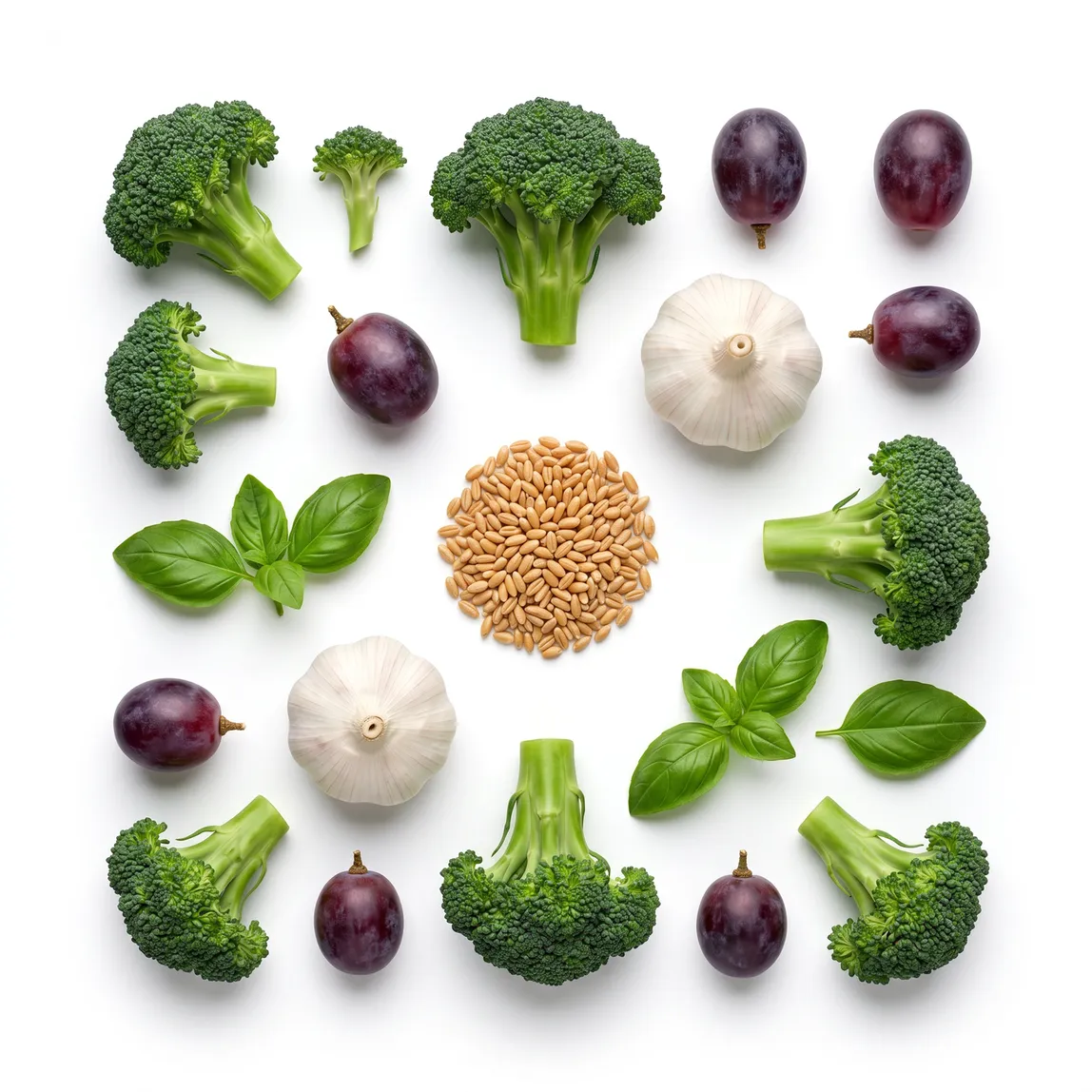
Fresh botanicals and whole foods arranged in a flat-lay: broccoli, grapes, garlic, basil and grains
The idea

Nutrients your body already recognizes

The formula leans on nutrients with long histories of dietary use: a trace mineral involved in normal metabolism, and plants rich in naturally occurring compounds. Delivered as a fast liquid, they are simple to take and simple to keep up with day after day.

3D model of a plant polyphenol molecule from the botanical blend

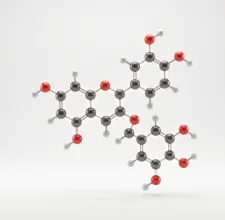
Chromium picolinate is the single quantified mineral on the label; the botanical actives — polyphenols and adaptogenic compounds — are combined in a 200 mg proprietary blend.

Chromium supports normal metabolism

Chromium is an essential trace mineral that contributes to normal macronutrient metabolism — the everyday processing of the carbohydrates, fats and proteins in your diet. Glyvoryn delivers it as chromium picolinate, a well-absorbed form.

Botanicals add traditional support

The 200 mg blend layers in plants long used in wellness traditions — gymnema, green tea, African mango, panax ginseng and others — each contributing its own profile of naturally occurring compounds.

Liquid drops for easy daily use

A liquid is simple to take and simple to remember. Consistency is what matters most with botanicals, and a dropper you actually enjoy makes daily use effortless.

These statements describe the general and traditional roles of the ingredients and are not intended to diagnose, treat, cure or prevent any disease.

What’s inside

Every headline active, and why it’s there

Transcribed directly from the Supplement Facts panel. Each ingredient below links to an independent, authoritative reference so you can read the science yourself.

Glyvoryn ingredients: maca root, African mango, gymnema leaf, green tea and panax ginseng
Panax ginseng root on a wooden surfacePanax Ginsengadaptogenic root
Fresh green tea leaves on the plantGreen Tea Leafpolyphenol source
Single gymnema leaf on a white backgroundGymnema Leafthe “sugar destroyer”
Compound green leaf representing astragalus and adaptogenic herbsAstragalus & Herbstraditional tonics

Chromium (as Chromium Picolinate)

0.7 mcg · 2% DV

An essential trace mineral that contributes to normal macronutrient metabolism, and the single quantified nutrient on this panel. Read the figure carefully: 0.7 mcg is 2% of the Daily Value, while the randomised trials pooled in the chromium meta-analyses used 200 to 1,000 mcg a day. This is a nutritional trace, not a trial dose.

Reference: NIH Office of Dietary Supplements — Chromium → · Asbaghi et al., Pharmacological Research, 2020 →

Gymnema Leaf Extract

Proprietary blend

Known in Ayurvedic tradition as gurmar, or “sugar destroyer,” gymnema is the most researched botanical on this panel. A randomised study in adults with impaired glucose tolerance measured glycaemic control, insulin secretion and insulin sensitivity; separately, a fourteen-day randomised trial reported reduced sugar cravings. Both used far more gymnema than a shared 200 mg blend can supply.

Reference: Gaytán Martínez et al., Journal of Medicinal Food, 2021 → · Turner et al., Nutrients, 2022 →

Maca Root Extract (Lepidium meyenii)

Proprietary blend

The largest single component of the blend by weight. Maca is a Peruvian root traditionally taken for stamina, and its human evidence sits in energy, fatigue and sexual health rather than in glucose control — a double-blind crossover study, for instance, examined performance and antifatigue measures. Nothing published supports maca as a blood sugar agent in its own right.

Reference: Wu et al., Journal of Physiological Investigation, 2025 — maca and antifatigue ability →

African Mango (Irvingia gabonensis) Seed

Proprietary blend

The seed of the West African wild mango, a fibre-rich botanical popular in metabolism-focused formulas. A randomised trial examined its effect on metabolic syndrome, insulin sensitivity and insulin secretion, and an earlier double-blind placebo-controlled study of a standardised seed extract reported changes in body weight and metabolic parameters — both at gram-scale daily doses.

Reference: Méndez-Del Villar et al., Journal of Medicinal Food, 2018 → · Ngondi et al., Lipids in Health and Disease, 2009 →

Green Tea Leaf (Camellia sinensis)

Proprietary blend

A rich natural source of catechin polyphenols, and the ingredient here with the largest pooled dataset: a meta-analysis of randomised controlled trials examined green tea catechins, with and without caffeine, on glycaemic control in adults, and a later systematic review reached comparable conclusions. Trial doses were measured in hundreds of milligrams of catechins per day.

Reference: NIH NCCIH — Green Tea → · Zheng et al., Am J Clin Nutr, 2013 →

Panax Ginseng

Proprietary blend

Asian ginseng is one of the most storied adaptogens in traditional wellness, and unusually for this panel it has a dedicated glucose meta-analysis: a systematic review of randomised controlled clinical trials across the Panax genus reported small but statistically significant improvements in fasting glucose. Note the ingredient here is the aerial extract, not the root used in most of those trials.

Reference: NIH NCCIH — Asian Ginseng → · Shishtar et al., PLoS ONE, 2014 →

Astragalus Root Extract

Proprietary blend

A foundational herb in traditional Chinese medicine, used for generations as a general tonic. Its glucose evidence in humans is thin and mostly comes from small trials in combination formulas, so it belongs in the traditional-use column rather than the evidence column.

Reference: NIH NCCIH — Astragalus →

Grape Seed Extract (Vitis vinifera)

Proprietary blend

Second on the blend list by weight, grape seed is a concentrated source of proanthocyanidins — the same family of polyphenols that gives red grape skins their colour. It is one of the most widely sold antioxidant botanicals, and the NCCIH summary is candid that the human research remains limited.

Reference: NIH NCCIH — Grape Seed Extract →

Guarana Seed Extract (Paullinia cupana)

Proprietary blend

An Amazonian seed with naturally high caffeine content, traditionally used for alertness and stamina. A systematic review with meta-analysis of guarana as a supplement for fatigue found the trial evidence thin and mixed — useful context, given that guarana is the reason a caffeine-free label claim is not made for this formula.

Reference: de Araujo et al., Supportive Care in Cancer, 2021 — guarana for fatigue →

Eleuthero Root (Eleutherococcus senticosus)

Proprietary blend

Often sold as “Siberian ginseng,” though it is not botanically a ginseng. It is included here as an adaptogen for everyday stamina, and honesty requires noting the negative result: a randomised controlled study found no benefit from adding eleuthero to stress-management training in people with stress-related fatigue.

Reference: Schaffler et al., Pharmacopsychiatry, 2013 — no benefit for stress-related fatigue →

Coleus Forskohlii Root Extract

Proprietary blend

The source of forskolin, a compound studied mostly in laboratory models of cell signalling and in small body-composition trials. There is no substantial human evidence for forskolin in blood sugar control, and it sits here as a traditional metabolic-support botanical rather than an evidence-led one.

Reference: Willcox et al., Frontiers in Pharmacology, 2021 — medicinal plants for glycaemic control →

Capsicum Fruit Extract (Capsicum annuum)

Proprietary blend

Chilli fruit extract, included for capsaicin. The best human work on capsaicin concerns appetite rather than glucose: a randomised study found capsaicin increased the sensation of fullness and reduced the desire to eat after dinner, which is a plausible route to fewer evening snacks rather than a direct metabolic effect.

Reference: Janssens et al., Appetite, 2014 — capsaicin and fullness →

Grapefruit Fruit Extract (Citrus paradisi)

Proprietary blend

The one ingredient on this panel that deserves a specific caution rather than a benefit claim. Grapefruit is a well-documented inhibitor of intestinal drug metabolism and can raise blood levels of a long list of prescription medicines. The amount here is undisclosed, so if you have been told to avoid grapefruit, raise this formula with your pharmacist.

Reference: Kane & Lipsky, Mayo Clinic Proceedings, 2000 — drug-grapefruit juice interactions →

Monoammonium Glycyrrhizinate (licorice)

Proprietary blend

A licorice-derived sweetening and flavouring compound. Consistent licorice intake has a documented association with raised blood pressure and lowered potassium, which is why the quantity matters — and why it is listed near the bottom of a 200 mg blend rather than near the top. If you have hypertension, this is worth mentioning to your doctor.

Reference: Penninkilampi et al., Journal of Human Hypertension, 2017 — licorice, hypertension and hypokalaemia →

Raspberry Ketones & the remaining amino compounds

Proprietary blend

Raspberry ketones, L-glutamine, L-tyrosine, L-arginine base, beta-alanine, GABA, L-ornithine HCL and L-tryptophan close out the panel. These are the smallest components by weight, and for raspberry ketones in particular there is no convincing human evidence at any dose — a reminder that a long ingredient list is a marketing asset before it is a nutritional one.

Reference: NIH Office of Dietary Supplements — Dietary Supplements: What You Need to Know →

L-Carnitine & Supporting Amino Acids

Proprietary blend

L-carnitine is the named amino compound on the panel, and it is the one with the most glucose-relevant human data: a systematic review and meta-analysis of randomised trials reported small improvements in glycaemic markers, again at doses measured in grams rather than in milligrams shared with twenty-one other ingredients.

Reference: NIH Office of Dietary Supplements — Carnitine → · Fathizadeh et al., EXCLI Journal, 2019 →

Every name above is transcribed from the printed Supplement Facts panel, which is reproduced in full in the next section. Ingredients inside a proprietary blend are listed in descending order by weight, so maca root is the largest component and L-carnitine base the smallest — but no individual amount is disclosed, and none of the studies linked here tested Glyvoryn itself.

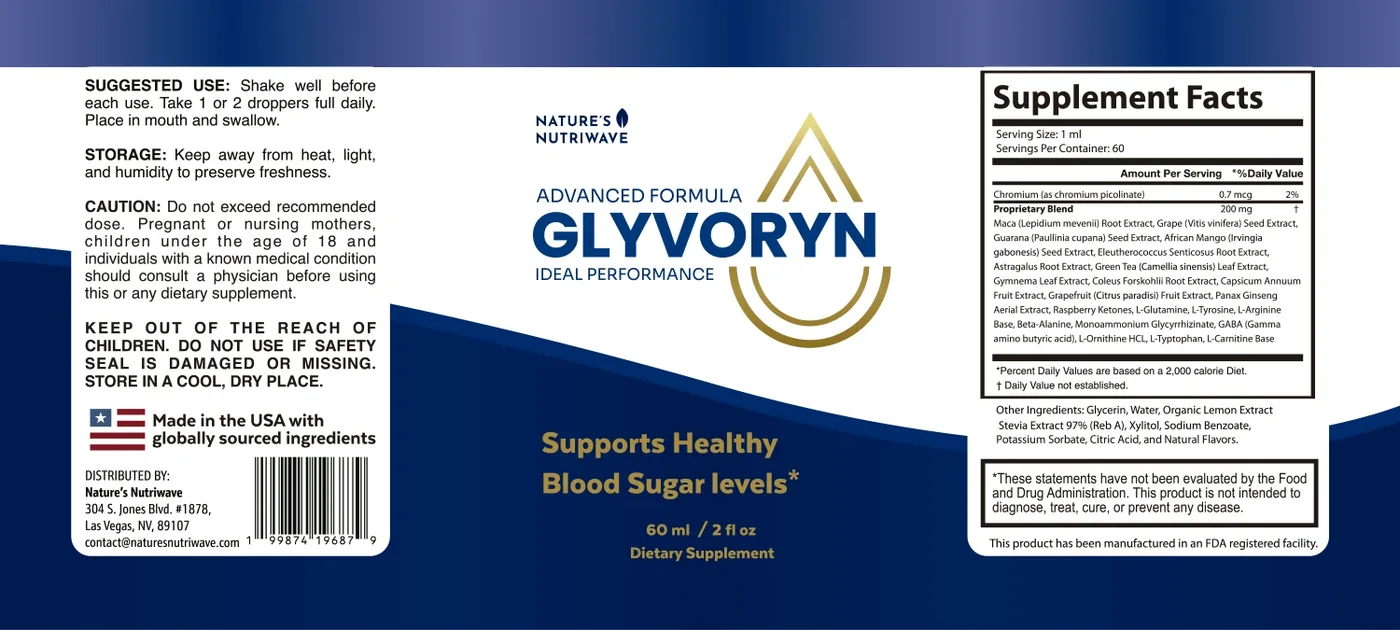
Glyvoryn Supplement Facts label showing chromium and the 200 mg proprietary blend
Full transparency

Supplement Facts

Serving size: 1 ml (one dropper) · 60 servings per container. Exactly what is in every serving — taken straight from the label.

Amount per 1 ml serving%DV
Chromium (as Chromium Picolinate)0.7 mcg · 2%
Proprietary Blend200 mg · †

Proprietary blend: Maca Root, Grape Seed, Guarana Seed, African Mango Seed, Eleuthero Root, Astragalus Root, Green Tea Leaf, Gymnema Leaf, Coleus Forskohlii Root, Capsicum Fruit, Grapefruit Fruit, Panax Ginseng, Raspberry Ketones, L-Glutamine, L-Tyrosine, L-Arginine, Beta-Alanine, Monoammonium Glycyrrhizinate, GABA, L-Ornithine HCL, L-Tryptophan, L-Carnitine.

Other ingredients: Glycerin, Water, Organic Lemon Extract, Stevia Extract 97% (Reb A), Xylitol, Sodium Benzoate, Potassium Sorbate, Citric Acid and Natural Flavors. † Daily Value not established.

Suggested use: Shake well before each use. Take one or two droppers full daily; place in mouth and swallow.

Reading the panel

What a 200 mg proprietary blend does and does not tell you

A proprietary blend is a label convention that discloses the total weight of a group of ingredients without disclosing how much of each one is inside. Glyvoryn uses one, and it is the most important thing to understand before you buy.

Two numbers are printed individually on the Glyvoryn panel: a serving is 1 ml, and it contains 0.7 mcg of chromium as chromium picolinate — 2% of the Daily Value. Everything else is pooled into a single 200 mg proprietary blend that names 22 items, from maca root and gymnema leaf down to GABA and monoammonium glycyrrhizinate. Ingredients on a Supplement Facts blend are listed in descending order by weight, so maca root is the largest component and L-carnitine base the smallest — but the label does not say by how much.

Do the arithmetic that the label invites and the picture gets clearer. If 200 mg were split evenly across 22 items, each would supply about 9 mg. It will not be even — the first few names take the bulk — but no arrangement of 200 mg puts any single botanical near the amounts used in the human trials people cite for them. Trials of Gymnema sylvestre in adults with impaired glucose tolerance have used gram-scale daily doses (Gaytán Martínez et al., Journal of Medicinal Food, 2021). Green tea catechin meta-analyses pool trials delivering hundreds of milligrams of catechins a day (Zheng et al., American Journal of Clinical Nutrition, 2013). Neither is reachable inside a 200 mg blend that also has to accommodate twenty other things.

Chromium tells the same story more precisely, because its dose is disclosed. The randomised trials behind chromium and glucose metabolism generally used 200 to 1,000 mcg a day; a 2020 systematic review and meta-analysis in Pharmacological Research pooled those trials and reported modest effects on glycaemic markers at those doses (Asbaghi et al., 2020), and an earlier review in the Journal of Clinical Pharmacy and Therapeutics reached a similar, cautious conclusion (Suksomboon et al., 2014). Glyvoryn supplies 0.7 mcg. That is roughly three hundred times less than the low end of the trial range, and it is a nutritional top-up rather than a therapeutic dose.

None of this makes Glyvoryn fake. It makes it a modestly dosed botanical supplement rather than the intervention the sales page implies — and knowing which one you are buying is the difference between a fair trial and a disappointment.

The upside of a blend is real too. Twenty-two plant and amino compounds at small doses is a wide, low-risk exposure, and it is the shape most everyday wellness formulas take. The honest way to hold it: treat Glyvoryn as a daily nutritional habit stacked on top of diet and movement, and expect the diet and movement to do the heavy lifting.

The benefits

What a steady daily routine is designed to support

Metabolic renewal iconEveryday Metabolismchromium for normal macronutrient metabolism
Appetite and healthy-weight iconMindful Cravingsa companion to balanced eating habits
Energy and daily vitality iconSteady Energybotanicals traditionally used for vitality
Blood sugar support iconBlood Sugar Supportfor levels already within a normal range
Cellular and whole-body wellness iconAntioxidant Botanicalsgreen tea and grape seed polyphenols
Active older man checking his pulse during a walk in the park
Designed to support
  • ✓Healthy blood sugar already within a normal range
  • ✓Chromium for normal macronutrient metabolism
  • ✓A 200 mg blend of traditionally used botanicals
  • ✓Steady, everyday energy as part of a balanced diet
  • ✓Fast, convenient liquid drops — no pills to swallow
  • ✓Non-GMO, stevia-sweetened and naturally flavored
Order Glyvoryn

Statements describe the general and traditional roles of the ingredients and have not been evaluated by the Food and Drug Administration.

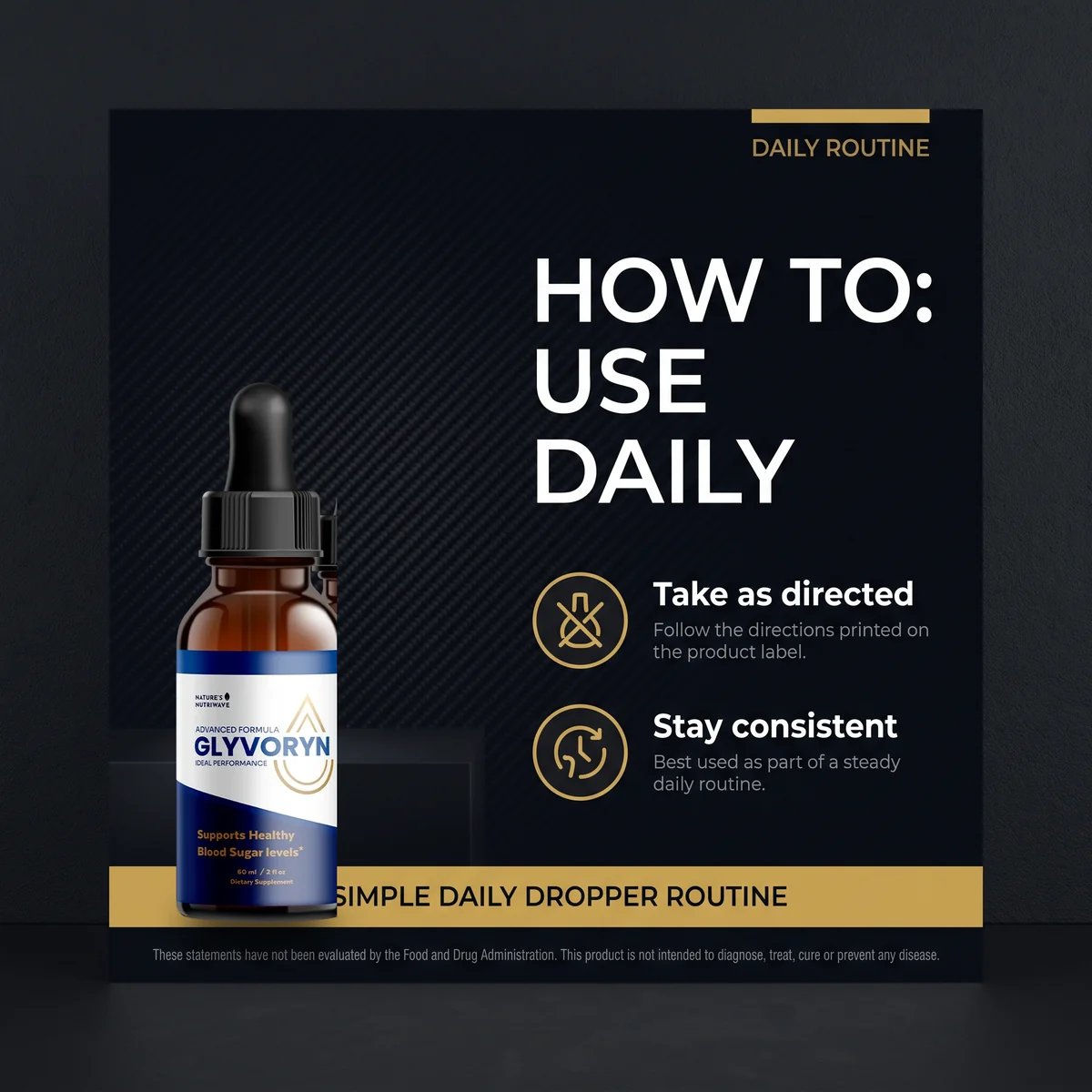
How to use Glyvoryn daily: take as directed and stay consistent with a simple dropper routine
The daily routine

How to use Glyvoryn

One simple dropper is the whole routine. There is nothing to mix and nothing to measure — just shake, dose and swallow, once a day.

  1. Shake & dose

    Shake the bottle well, then draw one or two droppers full — a 1 ml serving delivers chromium plus the full 200 mg botanical blend.

  2. Place in the mouth & swallow

    Place the liquid in your mouth and swallow. Take it with or without food, whenever you’ll remember it.

  3. Stay consistent

    Use it once a day alongside a balanced diet and active routine so the botanicals can build their support over time.

Do not exceed the recommended dose. Keep out of the reach of children.

The honest timeline

How long does Glyvoryn take to work?

No published trial has tested the finished Glyvoryn formula, so nobody — including this page — can give you a validated timeline. What can be given is the timescale on which the nutrition research behind its ingredients is normally run, and that is the fairest yardstick available.

Week 1 to 2 — tolerance

The only thing this window reliably tells you is whether the drops agree with you. Taste, timing and any mild digestive grumbling settle here. Nothing you observe about energy or readings in a fortnight can be separated from the week you happened to have.

Week 3 to 8 — the habit

This is where a daily routine either sticks or quietly lapses, and it is the stretch most seller testimonials describe. Treat anything you notice here as encouraging rather than conclusive, and keep the rest of the routine — meals, walking, sleep — deliberately unchanged so you are not measuring three things at once.

Month 2 to 3 — the fair verdict

Most human trials of the individual botanicals in this blend run eight to twelve weeks before they measure anything. That is the earliest honest point at which to decide whether Glyvoryn earns a place in your routine, which is also why the three- and six-bottle packages exist.

Set your review date before the first dose, not after the last one. Individual results vary, and no supplement is a substitute for the care of a qualified healthcare professional.

Free with select bundles

Digital guides included with your order

Order the 3- or 6-bottle package and get these companion e-guides free — delivered as instant digital downloads to help you get the most from a steadier daily routine.

Glycemic Rebalance Challenge e-guide coverBonus 1

Glycemic Rebalance Challenge

A simple day-by-day plan for building steadier habits around meals and movement.

Diabetes Freedom lifestyle e-guide coverBonus 2

Diabetes Freedom Lifestyle

Everyday nutrition and lifestyle ideas for people watching their blood sugar.

Fortifying Vitamins e-guide coverBonus 3

Fortifying Vitamins

A friendly guide to the vitamins and whole foods that round out a balanced plate.

Accelerated Metabolism e-guide coverBonus 4

Accelerated Metabolism

Practical movement and meal-timing tips to keep everyday energy on track.

Nerve Renew Guide e-guide coverBonus 5

Nerve Renew Guide

Self-care habits that support overall comfort and everyday wellbeing.

Personalized Usage Guide e-guide coverBonus 6

Personalized Usage Guide

Get the most from Glyvoryn with a short guide to fitting the drops into your day.

Bonuses are digital downloads. Availability may vary by package and while supplies last; see the official store for current offers.

Choose your package

Order Glyvoryn today

Glyvoryn is sold in package sizes rather than single bottles, and the price falls as the package grows: $158 in total for two bottles, $207 for three and $294 for six. Every order is a one-time payment — no subscription — protected by a 60-day money-back guarantee.

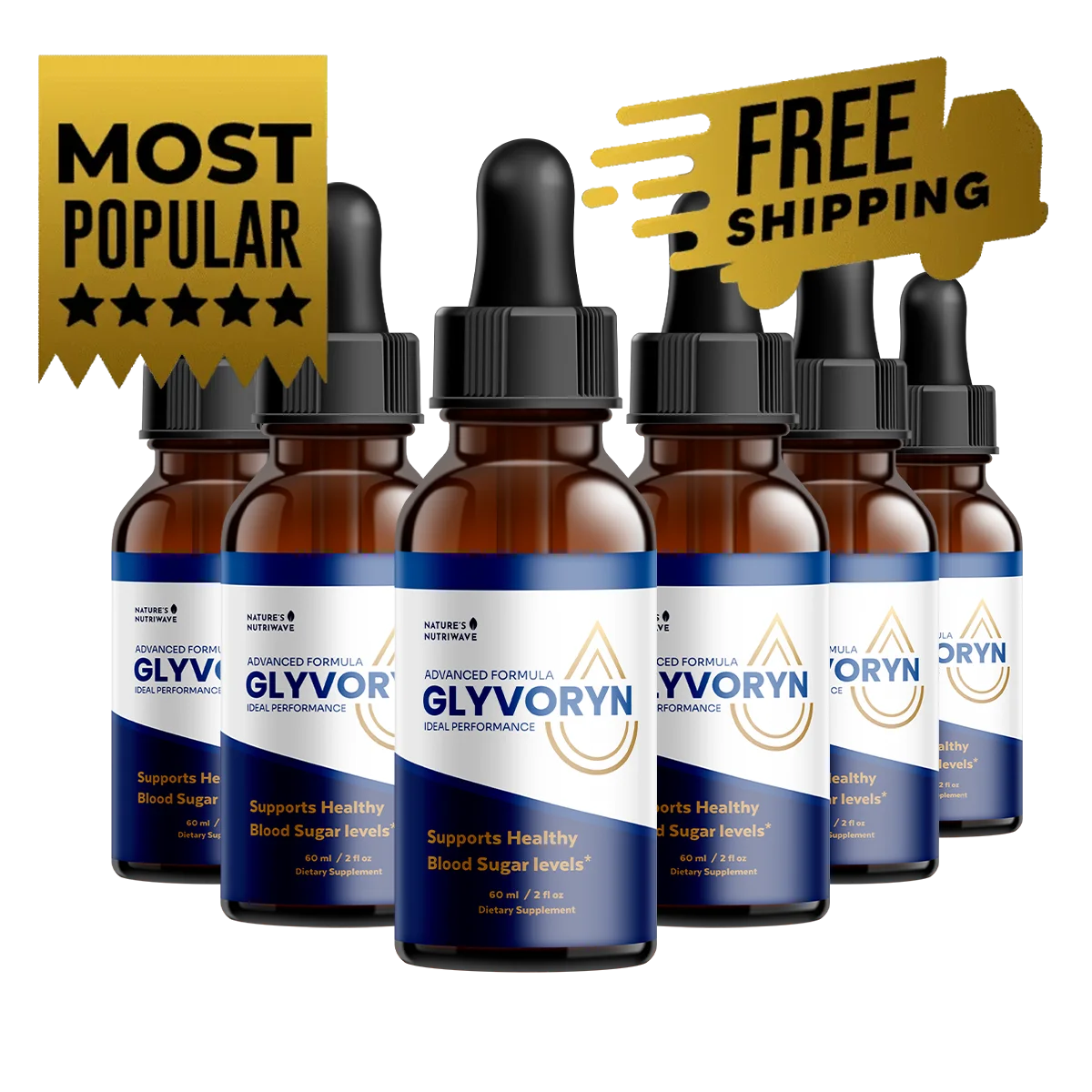
Glyvoryn liquid-drop bottles shown together, available in 2, 3 and 6-bottle packages

Starter

2 Bottles · 2-Month Supply
Two-bottle starter package of Glyvoryn blood sugar support drops
$79per bottle
$158 total · + shipping
Select Package

One-time payment · 60-day guarantee

Best Value · Most Popular

Best Value

6 Bottles · 6-Month Supply
Six-bottle best-value package of Glyvoryn liquid drops with free shipping
$49per bottle
$294 total · FREE U.S. shipping
Select Package

One-time payment · 60-day guarantee · free bonuses

Great Value

Popular

3 Bottles · 3-Month Supply
Three-bottle package of Glyvoryn with free shipping
$69per bottle
$207 total · FREE U.S. shipping
Select Package

One-time payment · 60-day guarantee · free bonuses

Accepted payment methods: Visa, Mastercard, American Express and Discover 🔒 Secure encrypted checkout · one-time payment · no subscription

Prices are the totals charged by the official store at the time of writing: $158 for the two-bottle package, $207 for three bottles and $294 for six, which works out at $2.63, $2.30 and $1.63 a day respectively. Promotional pricing changes without notice, so treat the store page as the authority on the figure you will actually be charged.

Glyvoryn bottle with a 100% money-back guarantee seal
Risk-free

Your 60-day money-back guarantee

Try Glyvoryn for a full two months. If you’re not completely delighted, contact us for a refund of your purchase price — no questions, no hassle. That’s how confident we are that you’ll want to make it part of your routine.

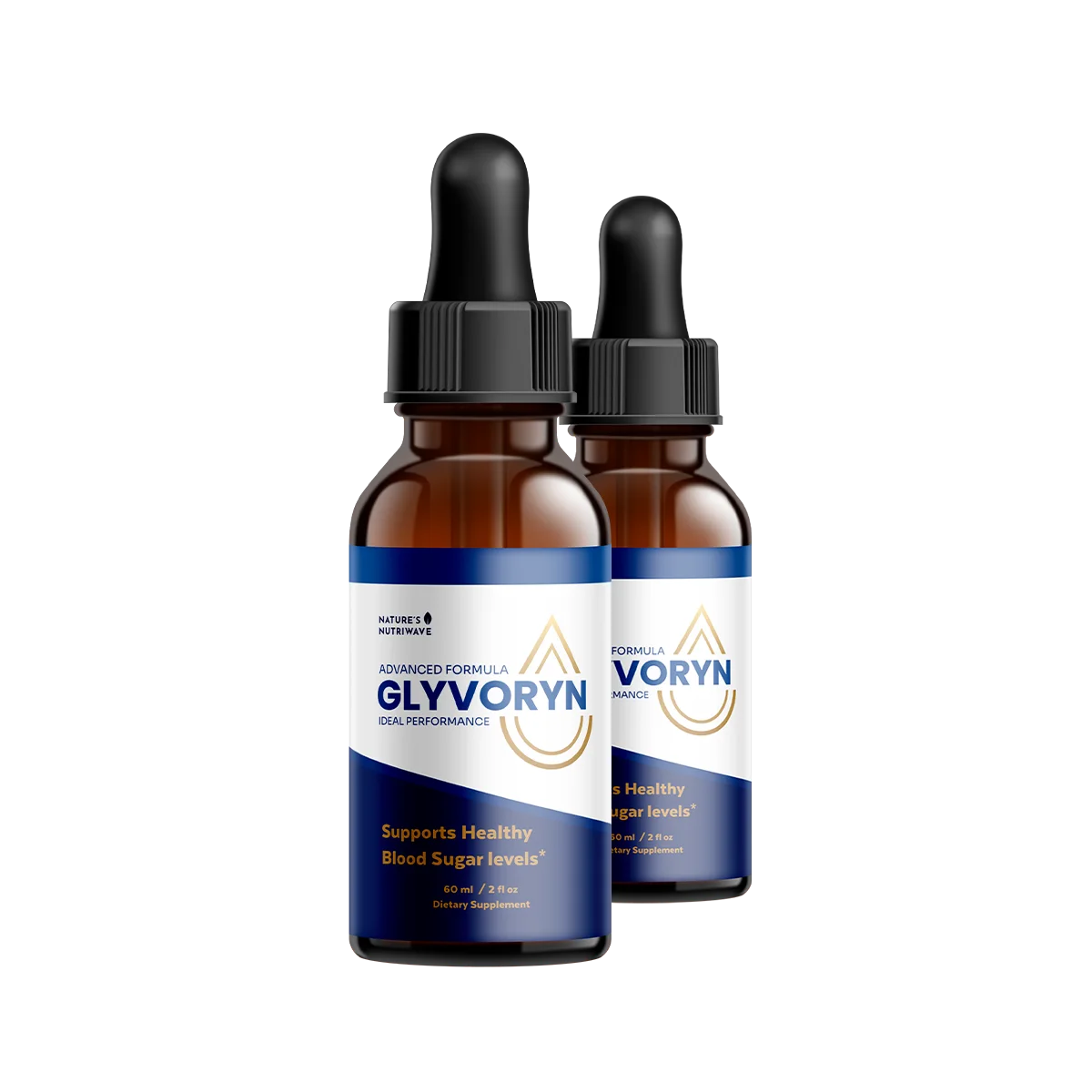
A single bottle of Glyvoryn blood sugar support liquid drops, 60 ml with dropper
Where to buy

Where to buy Glyvoryn, and what it works out at per day

Glyvoryn is sold direct to consumers through its official online store, which every order button on this page points to. It is not a retail pharmacy line and not part of a supermarket range, so it will not be on a shelf near you, and a marketplace listing carries no guarantee that the seller, the batch or the expiry date is genuine.

That distinction is practical rather than promotional. The 60-day money-back guarantee is honoured by the company that took your payment. Buy through the official store and a refund request has somewhere to go; buy through a reseller and it does not.

PackageTotal · per day
2 bottles · 60-day supply$158 · $2.63
3 bottles · 90-day supply$207 · $2.30
6 bottles · 180-day supply$294 · $1.63

Per-day figures use the supply length the store states for each package, which assumes two 1 ml droppers a day. Take the lower dose of one dropper and a bottle lasts twice as long, which halves the daily cost.

Check today’s price at the official store
In their words

Glyvoryn reviews: what the published testimonials actually describe

Every testimonial published for Glyvoryn comes from the seller’s own marketing, so it is worth being precise about what that material is and is not.

The customer stories the manufacturer publishes describe a consistent pattern: steadier readings, fewer sweet cravings and better afternoon energy, generally noticed somewhere between the second and fourth week of daily use. Several are framed explicitly around type 2 diabetes and around reducing reliance on medication.

Read them as claims about individual experiences rather than as evidence. There is no independent trial of Glyvoryn, no verified-purchase mechanism behind the quotes, and no way for a reader to check the timeline, the diet or the medication behind any of them. The strongest of those stories — the ones about medication — are also the ones that sit least comfortably beside a label which states plainly that the product is not intended to diagnose, treat, cure or prevent any disease.

The fair conclusion is not that the testimonials are fabricated. It is that a marketing testimonial cannot tell you what a supplement does, only what someone said about it. If you want to know whether Glyvoryn does anything for you, the useful evidence is your own: a fixed daily dose, an unchanged routine around it, and a review date two to three months out.

Smiling woman enjoying a coffee at an outdoor cafe
Woman smiling on a walk through a flower garden
Older man relaxing on a garden bench
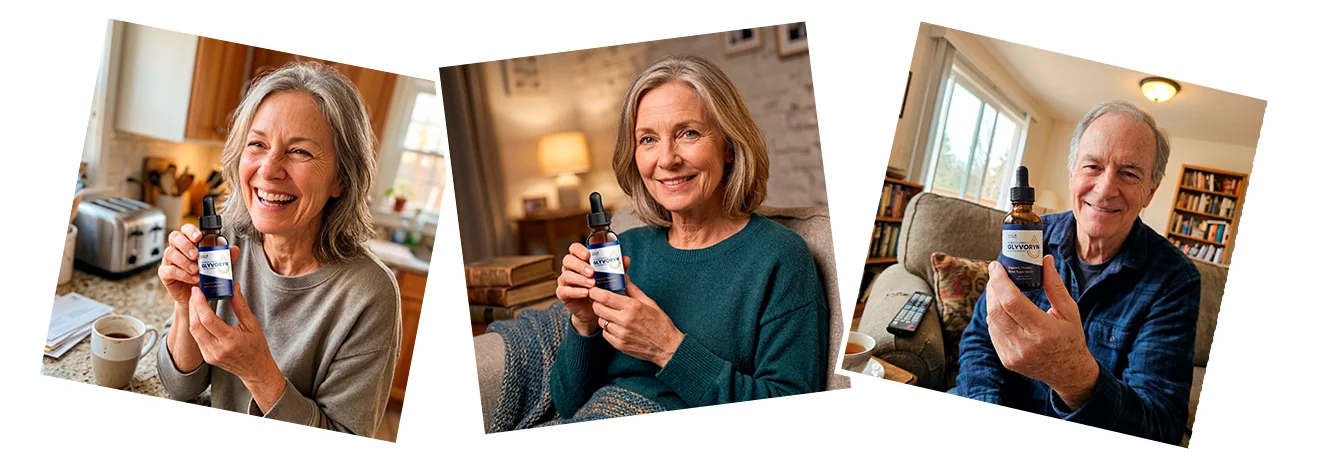
Glyvoryn customers holding their liquid-drop bottles at home
“

An easy daily habit

The dropper is genuinely simple — a quick shake and I’m done. I like that it’s a liquid and not another pill to add to the pile.

Marcus T. · Verified Buyer
“

Fits my routine

I take it with breakfast every morning. The lemon flavor is pleasant and it’s become an effortless part of my day.

Denise R. · Verified Buyer
“

Glad I chose the bundle

Ordered the six-bottle pack so I wouldn’t run out, and the guarantee made trying it an easy decision.

Paul H. · Verified Buyer

Testimonials are supplied by the manufacturer and reflect individual experiences. Results vary and are not guaranteed. This site publishes no ratings and no verified-purchase scores, because it has no way to verify either. Glyvoryn is a dietary supplement, not a treatment for any medical condition.

Safety

Glyvoryn side effects, interactions and who should avoid it

No side effects specific to Glyvoryn have been published, because the finished formula has never been tested in a clinical trial. What follows is what the published literature reports for this class of ingredient, plus the cautions printed on the bottle itself.
The complaints most commonly recorded in trials of botanical glucose-support supplements are mild and digestive: nausea, loose stools, wind or stomach discomfort, usually in the first week and usually settling. Chromium is the one component here with a disclosed dose, and it is a very small one; a Cochrane review of chromium picolinate in overweight and obese adults examined doses orders of magnitude larger than the 0.7 mcg in a Glyvoryn serving and found the safety signal unremarkable at those levels (Tian et al., Cochrane Database of Systematic Reviews, 2013).

The interaction that actually matters

The meaningful risk with a blood-sugar supplement is not the supplement on its own — it is the supplement stacked on top of glucose-lowering medication. Botanicals that nudge glucose handling can add to the effect of metformin, a sulfonylurea, insulin or a GLP-1 medicine, and the direction of that stacking is downward. An overview of meta-analyses of medicinal plants used for glycaemic control in type 2 diabetes makes the point plainly: several plant preparations do produce measurable changes, which is exactly why they cannot be treated as inert additions to a prescription (Willcox et al., Frontiers in Pharmacology, 2021). Show the label to your prescriber before the first dose.

Who the label says should not take it

  • ✓ Anyone under 18 — the bottle is explicit about this
  • ✓ Anyone pregnant or nursing
  • ✓ Anyone with a known medical condition, without speaking to a physician first
  • ✓ Anyone taking medication for blood sugar, blood pressure or heart conditions, until their prescriber has seen the ingredient list
  • ✓ Anyone with a known allergy to a plant on the panel — grape, guarana, ginseng, capsicum and grapefruit are all in the blend

Grapefruit deserves a specific mention: grapefruit is well known to interfere with the metabolism of a long list of prescription medicines. Grapefruit fruit extract appears in the Glyvoryn blend at an undisclosed amount, so if you have been told to avoid grapefruit with a medication, raise this formula with your pharmacist rather than assuming the quantity is too small to matter.

Stop taking it and speak to a doctor if you experience anything more than transient discomfort, and do not exceed the dose printed on the bottle. Keep it out of the reach of children, away from heat and light, and check the safety seal before first use.

The evidence, both ways

What the research supports, and what it does not

The evidence behind Glyvoryn is indirect: it consists of trials of individual ingredients, run at their own doses, in their own populations. Reading it fairly means separating what those trials genuinely show from what a supplement label can inherit from them.

Reasonably well supported

Several individual ingredients have real human data behind them. Gymnema sylvestre has been studied for glycaemic markers in adults with impaired glucose tolerance and, separately, for sweet-taste and sugar intake, where a fourteen-day intervention reduced self-reported sugar cravings in adults. Green tea catechins have been pooled across randomised trials for effects on glycaemic control. Panax ginseng has its own meta-analysis of randomised trials on glycaemic control. And chromium’s role in normal macronutrient metabolism is settled nutrition, not marketing.

Weaker than the marketing suggests

The doses tested in those trials are, in nearly every case, larger than a shared 200 mg blend can deliver, and the chromium figure on this label is a fraction of what the chromium trials used. Effect sizes in the supportive meta-analyses are modest and heterogeneous. Maca’s human evidence sits mostly in energy, fatigue and sexual health rather than glucose. Eleuthero has a well-conducted randomised trial that found no benefit for stress-related fatigue. And nothing at all has been published on the finished Glyvoryn formula.

Three of those threads are worth following in the primary literature. On gymnema and sweet cravings, a randomised fourteen-day study in Nutrients reported reduced sugar cravings in adults taking a gymnema preparation (Turner et al., 2022), with a companion trial in Appetite examining sugar intake in people who identify as having a sweet tooth (2025). On ginseng, a systematic review and meta-analysis of randomised controlled trials in PLoS ONE found small but statistically significant improvements in fasting glucose (Shishtar et al., 2014). And on the negative side of the ledger, a randomised controlled study in Pharmacopsychiatry found no benefit from adding Eleutherococcus senticosus to stress-management training (Schaffler et al., 2013) — a result worth knowing, because eleuthero is one of the twenty-two names in this blend.

The regulatory backdrop matters as much as the trial data. Dietary supplements in the United States are not approved by the FDA before sale, and responsibility for substantiating a claim sits with the manufacturer rather than a reviewer; a detailed overview of that framework and its gaps is available in Food and Chemical Toxicology (Brown, 2017). That is the reason this page keeps returning to the label instead of the sales copy: the label is the part of the product that carries a legal obligation to be accurate.

None of the studies cited here tested Glyvoryn. They describe individual ingredients, generally at higher doses than a shared 200 mg blend can provide, and they are offered so you can read the primary sources yourself rather than as evidence that this product does anything in particular.

The research

References & further reading

Glyvoryn makes no medical claims, and none of the studies below tested Glyvoryn. They are peer-reviewed papers and government health references on the individual ingredients, listed so you can read the primary sources rather than take a sales page’s word for them.

  1. National Institutes of Health, Office of Dietary Supplements. Chromium — Fact Sheet for Health Professionals. ods.od.nih.gov/factsheets/Chromium-HealthProfessional
  2. National Center for Complementary and Integrative Health (NCCIH). Asian Ginseng. nccih.nih.gov/health/asian-ginseng
  3. National Center for Complementary and Integrative Health (NCCIH). Green Tea. nccih.nih.gov/health/green-tea
  4. National Center for Complementary and Integrative Health (NCCIH). Astragalus. nccih.nih.gov/health/astragalus
  5. Asbaghi O, et al. Effects of chromium supplementation on glycemic control in patients with type 2 diabetes: a systematic review and meta-analysis of randomized controlled trials. Pharmacological Research, 2020. PMID 32730903
  6. Suksomboon N, et al. Systematic review and meta-analysis of the efficacy and safety of chromium supplementation in diabetes. Journal of Clinical Pharmacy and Therapeutics, 2014. PMID 24635480
  7. Tian H, et al. Chromium picolinate supplementation for overweight or obese adults. Cochrane Database of Systematic Reviews, 2013. PMID 24293292
  8. Gaytán Martínez LA, et al. Effect of Gymnema sylvestre administration on glycemic control, insulin secretion, and insulin sensitivity in patients with impaired glucose tolerance. Journal of Medicinal Food, 2021. PMID 32460589
  9. Turner S, et al. The effect of a 14-day Gymnema sylvestre intervention to reduce sugar cravings in adults. Nutrients, 2022. PMID 36558446
  10. Zheng XX, et al. Effects of green tea catechins with or without caffeine on glycemic control in adults: a meta-analysis of randomized controlled trials. American Journal of Clinical Nutrition, 2013. PMID 23426037
  11. Shishtar E, et al. The effect of ginseng (the genus Panax) on glycemic control: a systematic review and meta-analysis of randomized controlled clinical trials. PLoS ONE, 2014. PMID 25265315
  12. Méndez-Del Villar M, et al. Effect of Irvingia gabonensis on metabolic syndrome, insulin sensitivity, and insulin secretion. Journal of Medicinal Food, 2018. PMID 29336718
  13. Ngondi JL, et al. IGOB131, a novel seed extract of the West African plant Irvingia gabonensis, significantly reduces body weight and improves metabolic parameters in overweight humans. Lipids in Health and Disease, 2009. PMID 19254366
  14. Wu PS, et al. The impact of Lepidium meyenii (maca) supplementation on basketball-related performance and antifatigue ability: a double-blind crossover study. Journal of Physiological Investigation, 2025. PMID 40960048
  15. Schaffler K, et al. No benefit adding Eleutherococcus senticosus to stress management training in stress-related fatigue/weakness, impaired work or concentration: a randomized controlled study. Pharmacopsychiatry, 2013. PMID 23740477
  16. de Araujo DP, et al. The use of guarana (Paullinia cupana) as a dietary supplement for fatigue in cancer patients: a systematic review with a meta-analysis. Supportive Care in Cancer, 2021. PMID 34146166
  17. Janssens PL, et al. Capsaicin increases sensation of fullness in energy balance, and decreases desire to eat after dinner in negative energy balance. Appetite, 2014. PMID 24630935
  18. Kane GC, Lipsky JJ. Drug-grapefruit juice interactions. Mayo Clinic Proceedings, 2000. PMID 10994829
  19. Penninkilampi R, et al. The association between consistent licorice ingestion, hypertension and hypokalaemia: a systematic review and meta-analysis. Journal of Human Hypertension, 2017. PMID 28660884
  20. Fathizadeh H, et al. The effects of L-carnitine supplementation on glycemic control: a systematic review and meta-analysis of randomized controlled trials. EXCLI Journal, 2019. PMID 31611746
  21. Willcox ML, et al. Effectiveness of medicinal plants for glycaemic control in type 2 diabetes: an overview of meta-analyses of clinical trials. Frontiers in Pharmacology, 2021. PMID 34899340
  22. Liu F, et al. Acceptability of oral solid medicines in older adults with and without dysphagia. International Journal of Pharmaceutics, 2016. PMID 26970368
  23. Brown AC. An overview of herb and dietary supplement efficacy, safety and government regulations in the United States with suggested improvements. Food and Chemical Toxicology, 2017. PMID 27818322
  24. Orhan N, et al. Estimating the extent of adulteration of the popular herbs black cohosh, echinacea, elder berry, ginkgo, and turmeric. Natural Product Reports, 2024. PMID 39108221
  25. National Center for Complementary and Integrative Health. Grape Seed Extract. nccih.nih.gov/health/grape-seed-extract
  26. National Institutes of Health, Office of Dietary Supplements. Dietary Supplements: What You Need to Know. ods.od.nih.gov — What You Need to Know
  27. Examine.com. Gymnema sylvestre — evidence-based summary. examine.com/supplements/gymnema-sylvestre
  28. Examine.com. Maca (Lepidium meyenii). examine.com/supplements/maca
  29. Examine.com. Irvingia gabonensis (African Mango). examine.com/supplements/irvingia-gabonensis
  30. National Institutes of Health, Office of Dietary Supplements. Carnitine — Fact Sheet for Health Professionals. ods.od.nih.gov/factsheets/Carnitine-HealthProfessional

These references describe the ingredients in general terms and do not constitute evidence that Glyvoryn treats, cures or prevents any condition. Always speak with a qualified healthcare professional about your individual needs.

The fair question

Is Glyvoryn a scam?

Glyvoryn is a real, physically manufactured product with a printed Supplement Facts panel, a named distributor, a US manufacturing address and a 60-day refund window — which is not how a scam is built. The fair criticism is of how it is sold, not whether it exists.

Start with what checks out. There is a full label, transcribed on this page, listing a disclosed chromium dose and 22 named blend ingredients plus the base and preservatives. There is a distributor of record — Nature’s Nutriwave, 304 S. Jones Blvd #1878, Las Vegas, NV 89107 — and a contact address printed on the bottle. Manufacturing is in the United States in an FDA-registered facility, which means the facility is on the FDA’s register and subject to inspection; it does not mean the FDA has approved or evaluated the product, and the label says so in the standard wording. Refunds run 60 days from purchase. None of that is characteristic of a fraud.

What genuinely deserves criticism

  • ✓ The proprietary blend. Pooling 22 ingredients into one 200 mg figure means no buyer can check any individual dose against the research.
  • ✓ The chromium figure. At 0.7 mcg it is a nutritional trace, far below the amounts used in the chromium trials the category leans on.
  • ✓ Countdown timers and stock warnings. Urgency devices on the sales page are conversion tooling, not information about inventory.
  • ✓ Testimonials framed around diabetes. Dramatic before-and-after stories sit uneasily beside a label that explicitly does not diagnose, treat, cure or prevent any disease.
  • ✓ No trial of the product. The formula itself has not been tested, so every claim about it is inherited from research on other doses of other preparations.

The adulteration question is worth raising too, because it is the one that would make a supplement genuinely unsafe rather than merely underpowered. Botanical authentication is a live problem across the industry — a 2024 review in Natural Product Reports examines how hard it is even to estimate the extent of adulteration in widely sold herbs (Orhan et al., 2024). Nothing published suggests Glyvoryn is adulterated. Equally, no third-party certificate of analysis is offered publicly, so a buyer is relying on the manufacturer’s own quality controls.

The verdict, stated plainly: Glyvoryn is a legitimate low-dose botanical supplement sold with aggressive direct-response marketing. Buy it as a daily nutritional habit alongside diet, movement and whatever care your doctor is already providing, use the refund window if it does not earn its place, and do not buy it expecting the transformation the advertising describes.

Questions & answers

Frequently asked questions

How does Glyvoryn support healthy blood sugar?

Glyvoryn takes a botanical, mineral-supported approach. It pairs chromium — a trace mineral involved in normal macronutrient metabolism — with a 200 mg blend of traditionally used botanicals such as gymnema, maca, African mango, green tea and panax ginseng, delivered as fast-absorbing liquid drops you take by dropper. It is intended to support healthy blood sugar already within a normal range as part of a balanced lifestyle.

What is inside every serving of Glyvoryn?

Each 1 ml serving supplies 0.7 mcg of chromium (as chromium picolinate) plus a 200 mg proprietary blend that includes maca root, grape seed, guarana, African mango, eleuthero, astragalus, green tea, gymnema leaf, coleus forskohlii and panax ginseng, along with supporting amino acids. There are 60 servings per bottle.

Is Glyvoryn a capsule, a gummy or liquid drops?

Glyvoryn is sold only as liquid drops. There is no Glyvoryn capsule, tablet, gummy, powder or tea: the product is a 60 ml (2 fl oz) bottle of flavoured liquid with a graduated dropper, and one serving is one millilitre. Anything advertised as a Glyvoryn capsule or gummy is not the product described on this page.

How do I take Glyvoryn?

Shake well before each use. Take one or two droppers full daily, place the liquid in your mouth and swallow. It can be taken with or without food, at whatever time of day you’ll remember. The label asks you not to exceed the recommended dose.

How long does Glyvoryn take to work?

There is no published trial of Glyvoryn itself, so no honest answer can promise a timeline. The nutrition studies behind its individual ingredients typically run 8 to 12 weeks, which is why most people treat two to three months of daily use as a fair trial. Set a review date before you start rather than judging the drops after a week.

Where can I buy Glyvoryn?

Glyvoryn is sold through its official online store, which you can reach from any order button on this page. Buying from the official store is what makes the 60-day money-back guarantee enforceable, because refunds are handled by the seller who took the payment.

Is Glyvoryn sold on Amazon, at Walmart or in pharmacies?

Glyvoryn is a direct-to-consumer product rather than a retail line, so it is not stocked on pharmacy shelves and is not part of a supermarket range. If you find a listing on a marketplace, treat the seller, the expiry date and the refund terms as unverified — the manufacturer’s guarantee covers orders placed through the official store.

How much does Glyvoryn cost?

Glyvoryn is priced by package rather than per bottle. The two-bottle package is $158 in total ($79 per bottle), the three-bottle package is $207 ($69 per bottle) and the six-bottle package is $294 ($49 per bottle). The three- and six-bottle packages ship free within the United States; a smaller order carries a shipping fee.

How many bottles should I order?

Because botanicals build their support gradually, most people choose the three- or six-bottle package so they don’t run out mid-routine. The six-bottle option is the best value per bottle and ships free within the U.S. The bottle count and the trial period are really the same decision.

Is Glyvoryn a one-time purchase?

Yes. Every Glyvoryn order is a one-time purchase with no subscription, no auto-billing and no hidden charges of any kind.

What is the guarantee?

Every order is protected by a 60-day money-back guarantee measured from the date of purchase. If you’re not completely happy for any reason, contact the seller within 60 days for a refund of your purchase price.

Does Glyvoryn have side effects?

No side effects specific to Glyvoryn have been published, because the finished formula has not been studied on its own. Judging by its individual ingredients, the effects most often reported in trials of comparable botanical supplements are mild and digestive — nausea, loose stools or stomach discomfort — and they usually appear in the first week. Chromium picolinate has been reviewed for safety at doses far above the 0.7 mcg on this label.

Does Glyvoryn contain caffeine or stimulants?

The 200 mg blend includes guarana seed and green tea leaf, both natural sources of caffeine, but the label does not state a caffeine figure and the entire blend weighs 200 mg per serving — so any caffeine present is a small fraction of that. If you are sensitive to stimulants, take the first dose in the morning and see how you respond.

Is Glyvoryn safe to take with diabetes medication?

That is a question for your prescriber, not for a website. Botanicals that influence glucose handling can add to the effect of glucose-lowering medication, so anyone taking metformin, a sulfonylurea, insulin or a GLP-1 medicine should show the label to their doctor or pharmacist before starting. The same applies if you are pregnant, nursing, under 18 or scheduled for surgery.

Can Glyvoryn replace medication for diabetes?

No. Glyvoryn is a dietary supplement, not a medicine, and it is not intended to diagnose, treat, cure or prevent diabetes or any other disease. It is designed to support blood sugar that is already within a normal range, alongside diet and activity. Never stop or change a prescription because of a supplement.

Is Glyvoryn a scam?

Glyvoryn is a real product with a real printed label, a named distributor in Las Vegas, an FDA-registered manufacturing facility and a 60-day refund window — none of which is typical of a scam. What is fair to criticise is the marketing: the sales page leans on dramatic testimonials, a countdown timer and a proprietary blend that hides individual ingredient doses. Judge it as a modestly dosed botanical supplement, not as the transformation the advertising describes.

What do Glyvoryn reviews actually describe?

The testimonials published by the seller describe steadier readings, fewer sweet cravings and better afternoon energy within two to three weeks. They are marketing testimonials, not trial data: no independent trial of Glyvoryn has been published, and there is no verified purchase system behind them. Read them as claims made about individual experiences rather than as evidence.

Is Glyvoryn safe?

Glyvoryn is made in the U.S. in an FDA-registered facility from non-GMO ingredients, and the label carries the standard cautions. As with any supplement, if you are pregnant, nursing, under 18, have a medical condition or take medication, consult your physician before use. Keep it out of the reach of children and do not exceed the recommended dose.

What does Glyvoryn taste like, and what is in the base?

The drops are a sweet, lemon-leaning liquid. Beyond the actives, the label lists glycerin, water, organic lemon extract, stevia extract 97% (Reb A), xylitol, sodium benzoate, potassium sorbate, citric acid and natural flavours — so it is sweetened with stevia and xylitol rather than sugar.

Who should not take Glyvoryn?

The label says the drops are not for children under 18 or for anyone who is pregnant or nursing, and that people with a known medical condition should consult a physician first. Add to that anyone with a chromium or plant allergy on the ingredient list, and anyone whose glucose is already being managed with medication without their doctor’s knowledge.

Six-bottle best-value package of Glyvoryn blood sugar support liquid drops

Give your day steadier ground.

Join the people who’ve made Glyvoryn their once-a-day habit for everyday blood sugar support. One simple dropper, protected by a 60-day money-back guarantee — and the six-bottle bundle is the best value, with free U.S. shipping.

Order Glyvoryn Now
Glyvoryn™ — Blood Sugar Support · from $49/bottle Order Now